
Insights & Resources

Apparel Manufacturing Blog

Industry news, production guides, and trend analysis from Los Angeles clothing experts.

0%

Los Angeles remains a practical sourcing base for brands seeking speed, flexibility, and closer production oversight. The region supports cut-and-sew factories, sample rooms, denim specialists, knitwear producers, and private-label partners. However, “Made in Los Angeles” does not guarantee quality by itself. Buyers still need verified production records, realistic capacity data, and documented compliance procedures.

Industry reports show why careful supplier selection matters. The Business of Fashion and McKinsey’s State of Fashion 2025 report identifies cost pressure, inventory risk, and supply-chain resilience as major priorities for fashion companies. The 2024 Fashion Industry Benchmarking Study from the United States Fashion Industry Association also highlights sourcing diversification and responsible production as continuing concerns. Meanwhile, Bureau of Labor Statistics data provides useful context on employment and wage trends within U.S. apparel manufacturing.

“There is no fashion industry without manufacturing,” says Ilse Metchek, president of the California Fashion Association. Her observation remains highly relevant. Product ideas become commercial goods through skilled operators, reliable machinery, and disciplined quality control.

This guide reviews ten leading options for global buyers searching for a Los Angeles Apparel Manufacturer. Each company should be judged differently. Some excel at small-batch development. Others require larger minimum order quantities. A few may offer impressive portfolios but limited transparency. That gap matters.

Expect practical details. Think fabric rolls, graded size sets, inspection tables, and packed cartons. We examine capabilities, minimums, lead times, customization, and buyer suitability. Information can change quickly, so readers should confirm certifications, pricing, capacity, and export documentation directly before placing orders.
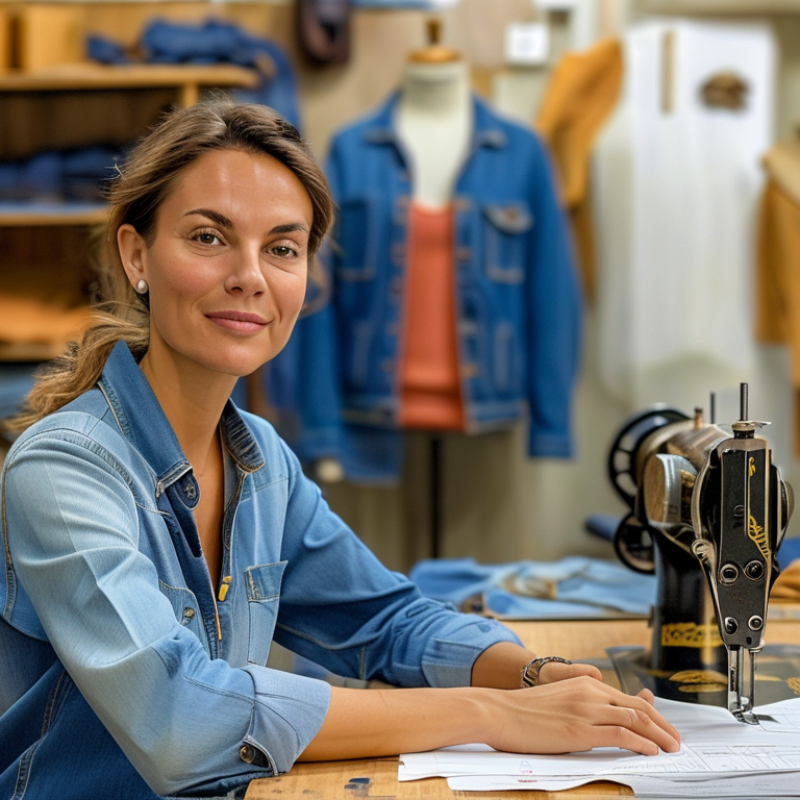
10 Best Los Angeles Apparel Manufacturers for Global Buyers

Understanding Los Angeles Apparel Manufacturing for Global Buyers

Los Angeles apparel manufacturing offers global buyers a practical mix of development support, flexible production, and local communication. Many factories handle cut-and-sew garments, sampling, pattern adjustments, and small production runs. This can help emerging labels test demand before committing to larger quantities. However, “Made in Los Angeles” does not automatically mean every process occurs locally. Buyers should ask where fabric, trims, dyeing, and finishing are completed.

A professional sourcing process starts with a detailed tech pack. Include measurements, fabric weight, seam construction, labels, packaging, and acceptable tolerances. Request a sample before approving bulk production. Check stitching under bright light, measure key points, and wash the garment if care instructions require it. A reliable manufacturer should explain minimum order quantities, lead times, payment terms, quality checks, and shipping documents clearly. Written records matter when teams work across time zones.

Global buyers also need to review workplace standards and product requirements for the destination market. Confirm fiber content, care labels, country-of-origin information, and restricted-substance controls. Ask for relevant test reports when children’s products or sensitive materials are involved. Los Angeles production may reduce communication delays, but it can cost more than overseas sourcing. That difference deserves a full cost comparison, including freight, duties, revisions, and rejected units. No supplier is perfect. I have found that honest conversations about defects are often more valuable than polished sales promises. Test orders still matter.

How to Evaluate Local Apparel Manufacturers and Their Capabilities

Choosing among Los Angeles apparel manufacturers requires more than comparing hourly rates. A capable partner should show current production records, clear capacity figures, and consistent quality controls. Ask to tour the cutting, sewing, pressing, and packing areas. Watch how fabric rolls are stored. Dust, heat, and poor labeling often reveal future problems.

Request a prototype made from the same fabric, trims, and machines used for bulk orders. Check seam strength, stitch density, shrinkage, color accuracy, and measurement tolerance. Ask who approves samples and how rejected pieces are recorded. Strong manufacturers explain their inspection process without vague promises. Confirm minimum order quantities, lead times, overtime policies, and subcontracting rules in writing. A local factory may offer faster visits, but proximity does not guarantee dependable output.

Evaluate technical capability against your product, not a sales presentation. Review experience with knitwear, woven garments, outerwear, or specialty finishes as needed. Ask for a realistic production schedule with checkpoints. Then test communication during a small order. Delayed replies can become expensive during bulk production. I once trusted an impressive sample too quickly; the second batch exposed uneven sizing. That mistake changed my evaluation process. Leave room for failure, and measure how the factory responds when something goes wrong.

10 Best Los Angeles Apparel Manufacturers for Global Buyers

How to Evaluate Local Apparel Manufacturers and Their Capabilities

The chart presents a practical buyer-evaluation framework for comparing apparel manufacturing capabilities. Quality control, production reliability, compliance, sampling, minimum order flexibility, and sustainability traceability are key factors for global sourcing decisions. The percentages represent suggested evaluation priorities rather than data from any specific company.

Top Los Angeles Apparel Manufacturers by Product and Service Strengths

Los Angeles apparel manufacturers differ most in product focus and service depth. Cut-and-sew specialists often handle cotton jerseys, fleece, woven shirts, and lightweight outerwear. Their value appears in clean seams, accurate grading, and consistent stitching across repeated orders. For buyers developing everyday basics, these factories may offer practical sampling and flexible minimum quantities.

Knitwear manufacturers bring different technical strengths. They work with rib structures, yarn blends, sweaters, and shaped panels. Buyers should request fabric swatches, wash tests, and measurements after laundering.

Activewear producers usually focus on stretch fabrics, flat seams, elastic recovery, and moisture control. However, performance claims need testing, not attractive sample-room language.

Denim facilities provide washing, dye variation, rivet setting, and abrasion control. Each finish can change the final measurement.

Service strength matters as much as product skill. Full-package manufacturers may support pattern development, sourcing, sample revisions, production, and packing. Smaller workshops can respond faster, but their capacity may tighten during seasonal demand. I have found that clear tech packs reduce avoidable revisions, although they never remove every mistake. A sleeve can still twist. A color can look different under warehouse lights. Global buyers should examine audit records, lead times, quality checkpoints, and communication habits before placing larger orders. Small trial runs reveal more than polished presentations.

Comparing Pricing, Minimum Orders, Quality, and Production Timelines

A practical review of ten Los Angeles apparel manufacturers should compare landed cost, minimum order quantity, quality controls, and production speed. Typical local cut-and-sew quotes may range from $8 to $25 per basic garment, depending on fabric, trims, labor, and order size. Small batches often begin near 50–100 units, while better unit pricing usually requires 300 units or more. The McKinsey–BoF State of Fashion 2025 report identifies inflation and supply-chain instability as major risks, making transparent quotations especially important.

Quality needs evidence, not promises. Ask each factory for an approved sample, fabric composition, measurement tolerance, and an AQL inspection record. A 2.5 AQL benchmark is common for many commercial orders, but it should match your product risk.

Production timelines often run four to eight weeks after approval. Complex garments may take longer. The 2024 USFIA Fashion Industry Benchmarking Study also highlights continuing pressure on sourcing costs and supplier reliability. Local production can reduce transit time, yet it cannot remove delays caused by fabric shortages or repeated fit changes.

Tips: Request the same tech pack from all ten manufacturers. Compare total cost, not only sewing price. Confirm whether pattern-making, grading, labels, packaging, and rework are included. I would also reserve extra time. My earlier planning assumptions were too optimistic when approvals involved several people. Keep a written milestone schedule, and inspect a pre-production sample before releasing bulk work.

How Global Buyers Can Select and Work With the Right Manufacturer

Global buyers should evaluate Los Angeles apparel manufacturers through evidence, not polished presentations. Request a current factory profile, production photos, certifications, and recent quality records. A video tour can reveal cutting tables, sewing capacity, storage conditions, and workflow discipline. Ask who owns production. Some factories outsource more work than expected.

A clear technical package prevents expensive misunderstandings. Include fabric composition, measurements, seam details, labels, packaging, and tolerance limits. Order a development sample before approving bulk production. Check shrinkage after washing, color consistency, stitching strength, and fit on a real wearer. Keep every revision dated. Small details become costly later.

Confirm minimum order quantities, sample fees, payment stages, and realistic lead times in writing. For overseas delivery, discuss export documents, carton dimensions, inspection points, and responsibility for delays.

Reliable cooperation also depends on communication habits. Choose a manufacturer that answers specific questions and reports problems early. Request pre-production approval and independent inspection when the order is important. A local production partner may simplify site visits, but location alone does not guarantee quality. Buyers should compare several facilities using the same scorecard. One weakness may be acceptable; repeated vague answers are not. Even careful teams make mistakes, especially with first orders. Leave time for corrections, freight changes, and one unexpected production issue.

FAQS

: What services do local apparel manufacturers commonly provide?

: Many offer pattern adjustments, sampling, cut-and-sew production, packing, and small trial runs.

Does local production mean every process happens nearby?

Not always. Fabric, trims, dyeing, or finishing may come from other locations.

What should a detailed tech pack include?

Include measurements, fabric weight, seams, labels, packaging, and acceptable measurement tolerances.

Why should buyers approve a sample before bulk production?

A sample reveals twisted sleeves, uneven stitching, incorrect measurements, and unexpected fabric behavior.

How should buyers inspect a garment sample?

Check seams under bright light, measure key points, and wash it when care instructions require testing.

Which product details need extra technical attention?

Knitwear needs wash testing. Activewear needs stretch and recovery checks. Denim needs measurement checks after washing.

Can local manufacturing cost more than overseas production?

Yes. Compare labor, freight, duties, revisions, and rejected units before choosing a supplier.

How can global buyers evaluate a factory before larger orders?

Ask about minimum quantities, lead times, quality checkpoints, workplace standards, test reports, and shipping documents.

Are smaller workshops always the better choice for flexible production?

Not necessarily. They may respond quickly, but seasonal demand can reduce their available capacity.

What is a practical way to reduce production mistakes?

Use clear written records, approve trial orders, and discuss defects honestly instead of trusting polished promises.Test orders still matter.

Conclusion

Los Angeles apparel manufacturing offers global buyers access to skilled production teams, flexible services, and a wide range of product capabilities. This guide explains how to understand the local manufacturing landscape and evaluate suppliers based on experience, technical expertise, material sourcing, sampling, quality control, customization, and communication. It also highlights different manufacturer strengths across categories such as cut-and-sew garments, knitwear, activewear, fashion basics, and small-batch production, helping buyers identify the best fit for their needs.

The guide compares important purchasing factors, including pricing structures, minimum order quantities, quality standards, production timelines, sampling policies, and shipping coordination. It also provides practical advice for selecting and working with the right Los Angeles Apparel Manufacturer, from preparing clear specifications and confirming expectations to reviewing samples, establishing quality checkpoints, and maintaining effective communication throughout production. This approach can help global buyers reduce risks, control costs, and build reliable long-term manufacturing partnerships.

Elowen

Elowen

Elowen is a dedicated marketing professional with a strong understanding of product strategy, customer needs, and responsible business communication. As a key contributor to the company’s content and marketing initiatives, Elowen regularly publishes insightful articles on the company website,......