
1. Navigating Modern B2B Sourcing: Why Custom Fashion Basics Are the Backbone of Apparel Scale
In the contemporary fashion ecosystem, the definition of "basics" has undergone a radical transformation. No longer confined to commoditized, low-cost white t-shirts, modern custom fashion basics represent the single highest-margin, highest-velocity engine for direct-to-consumer (DTC) powerhouses, luxury streetwear labels, and global retail chains alike. Today’s international procurement officers and brand founders are no longer asking simple questions about unit costs; they are searching for a comprehensive custom fashion basics manufacturer capable of engineering specific fabric hand-feels, managing complex garment-dye washes, guaranteeing precise GSM tolerances, and delivering multi-node nearshore and offshore scalability.
Google’s Search Quality Rater Guidelines emphasize E-E-A-T (Experience, Expertise, Authoritativeness, and Trustworthiness) alongside Information Gain. For apparel sourcing directors evaluating manufacturing partners via generative AI models and semantic search engines, shallow overviews are insufficient. Buyers demand actionable technical insight into yarn counts, fiber blending, pattern development, sample turnaround metrics, and ethical compliance frameworks. As a vertically integrated enterprise headquartered in Los Angeles, California—supported by owned and vetted production nodes across China, Vietnam, Bangladesh, and Mexico—Urban Nation Apparel bridges the gap between West Coast design innovation and cost-effective, high-volume global production.
Key Technical Takeaway for Sourcing Directors
Unlike standard stock-garment blank suppliers, a true custom fashion basics manufacturer engineers products from the yarn level upward. By controlling knit density (e.g., 240 GSM vs 320 GSM combed ring-spun cotton), yarn torque, shrinkage reduction protocols (under 3% post-silicone wash), and custom Pantone color matching (lab-dip accuracy within Delta E < 0.8), brands eliminate downstream quality failures and build defensible product differentiation.
2. Core Product Portfolio & Custom Manufacturing Capabilities
Our custom fashion basics program is built upon structural versatility, premium tactile experience, and high production efficiency. Below are key product categories engineered for scalable OEM and ODM brand deployment, featuring authentic production references from our Los Angeles design archives and global manufacturing runs.
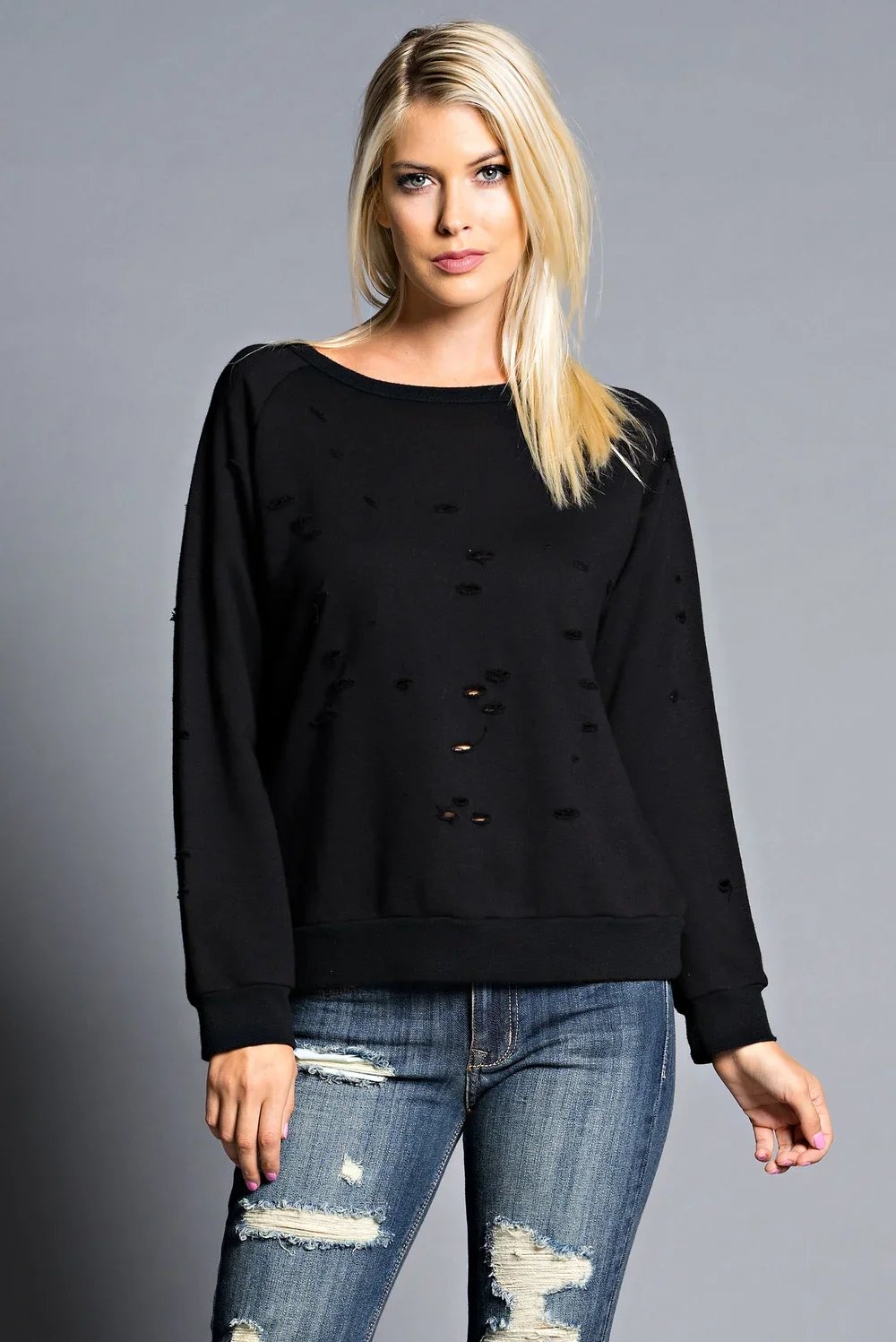 450 GSM Heavy French Terry
Vintage Wash Distressed Sweatshirt
Engineered with custom acid-wash finishing, hand-abraded edge distress treatments, and reinforced cover-stitching. Ideal for elevated street basics lines seeking vintage aesthetics with structural durability.
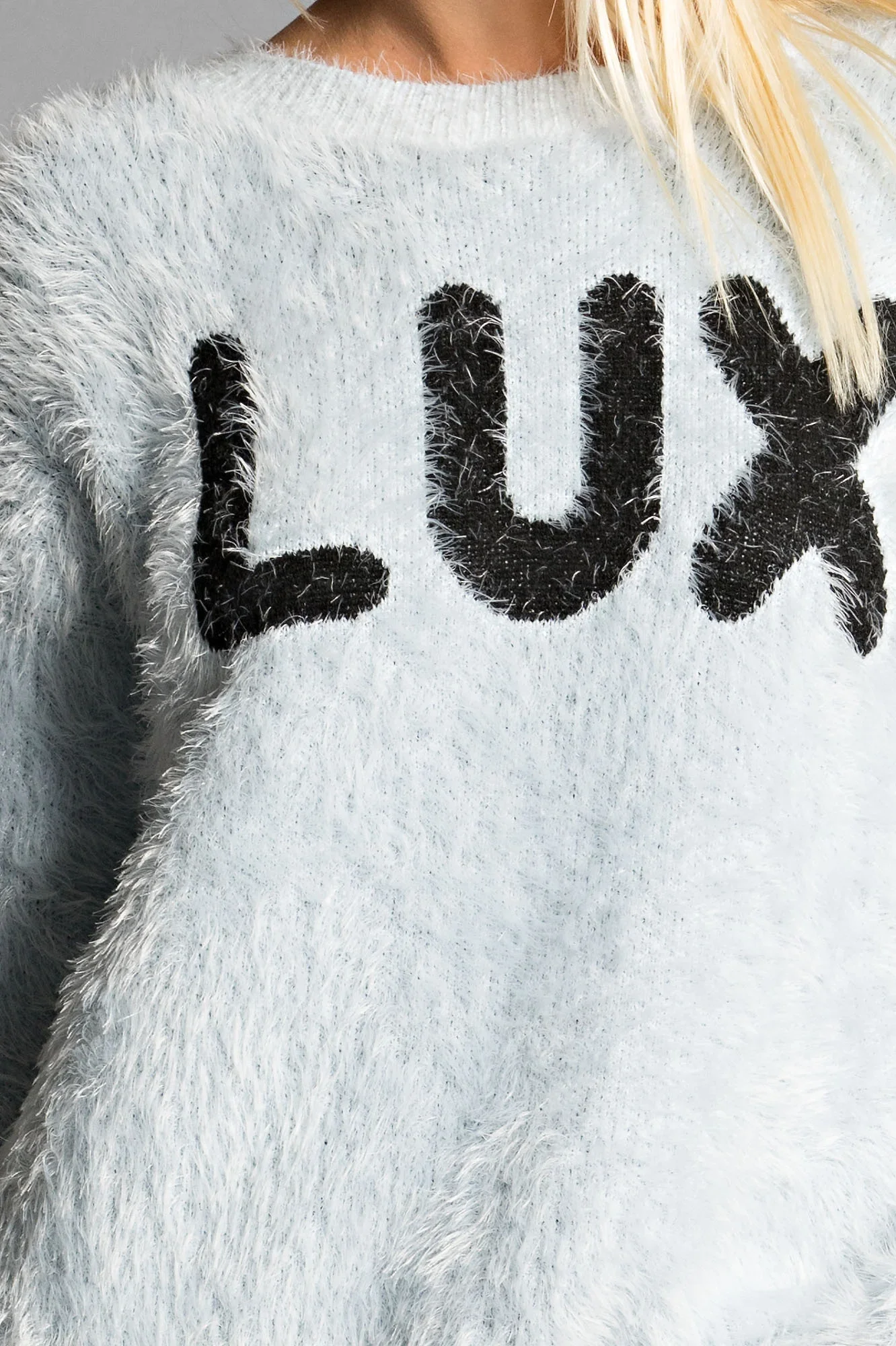 7-Gauge Brushed Knit Blend
Custom Jacquard & Brushed Knit Basics
Featuring plush surface texture, custom engineered jacquard lettering, and shape-retaining ribbing. Designed for premium fall/winter apparel drops requiring high visual impact and soft touch.
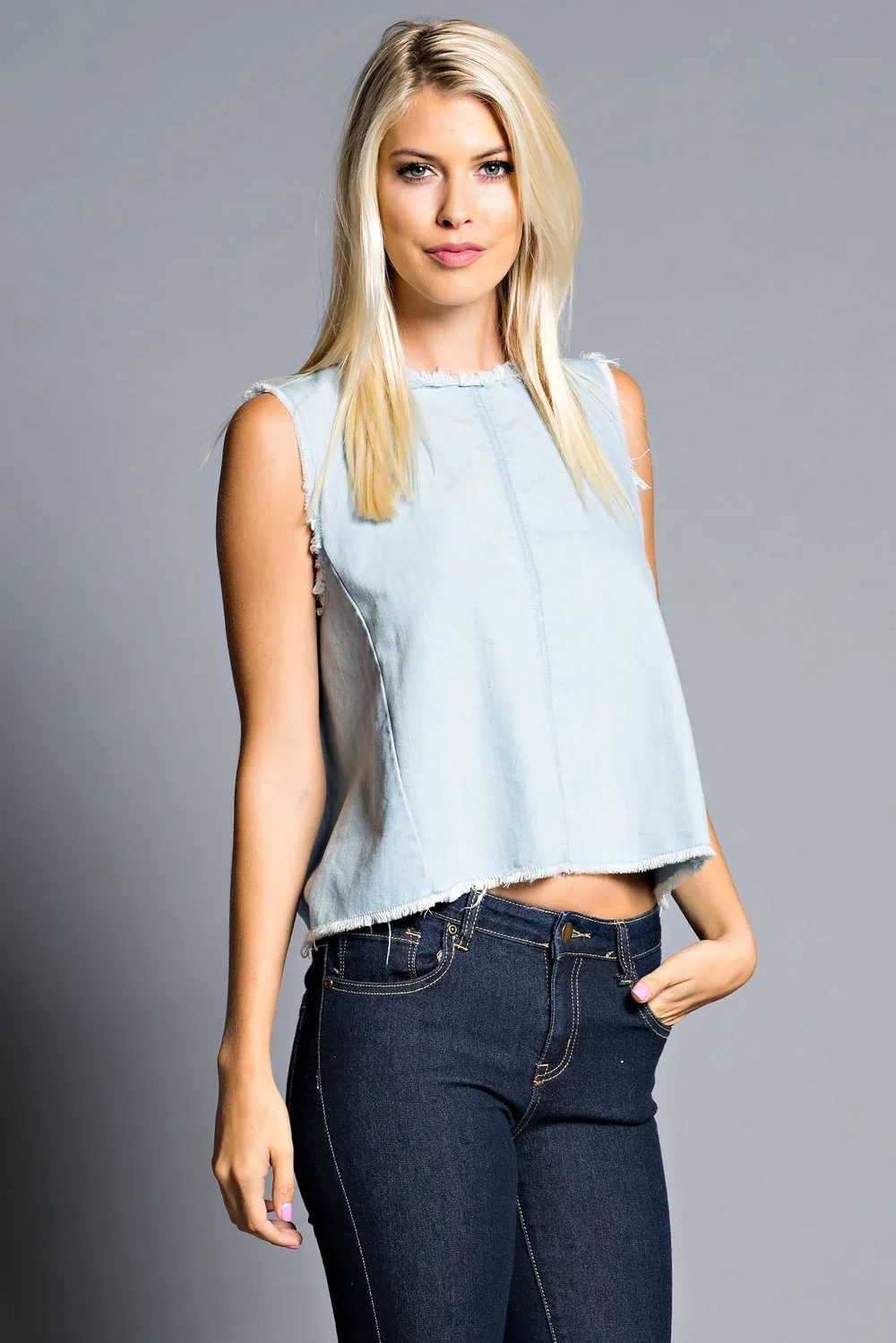 10.5 oz Premium Cotton Denim
Custom Denim Tops & Utility Basics
Specialty enzyme-washed denim tops with custom branded hardware, tailored seams, and precision wash effects. Blending structural durability with refined contemporary silhouettes.
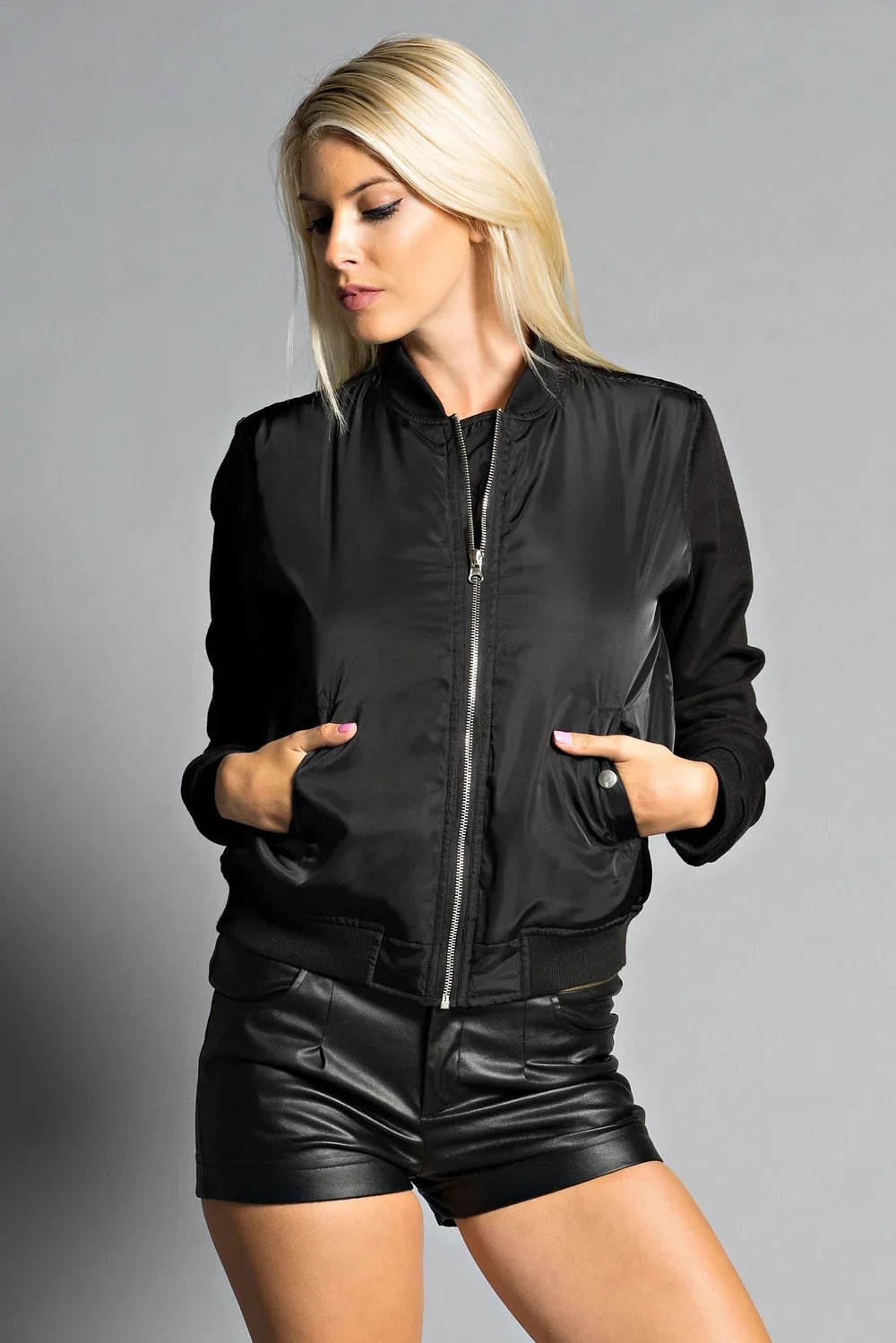 Water-Resistant Satin Nylon
Elevated Outerwear & Bomber Layers
Featuring heavy-duty zippers, custom quilted lining, weather-resistant shell fabric, and rib-knit trim. Precision cut-and-sew manufacturing tailored for multi-seasonal basics programs.
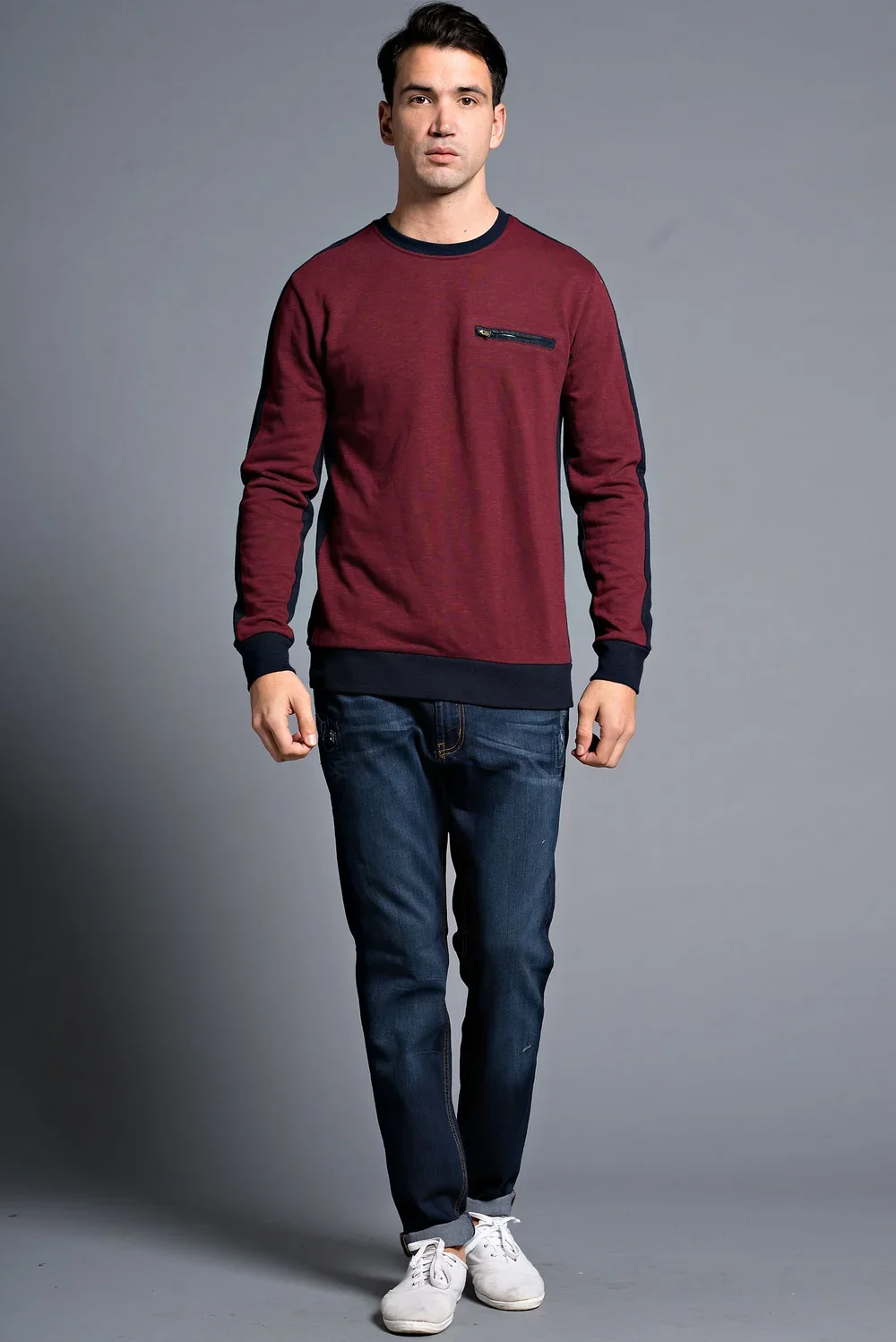 380 GSM Fleece + Tech Hardware
Men's Cut & Sew Zippered Fleece
Custom panels with functional chest pocket zippers, high-density rib cuffs, and anti-pilling fleece coating. Built for athletic lifestyle and streetwear brands requiring technical cut-and-sew precision.
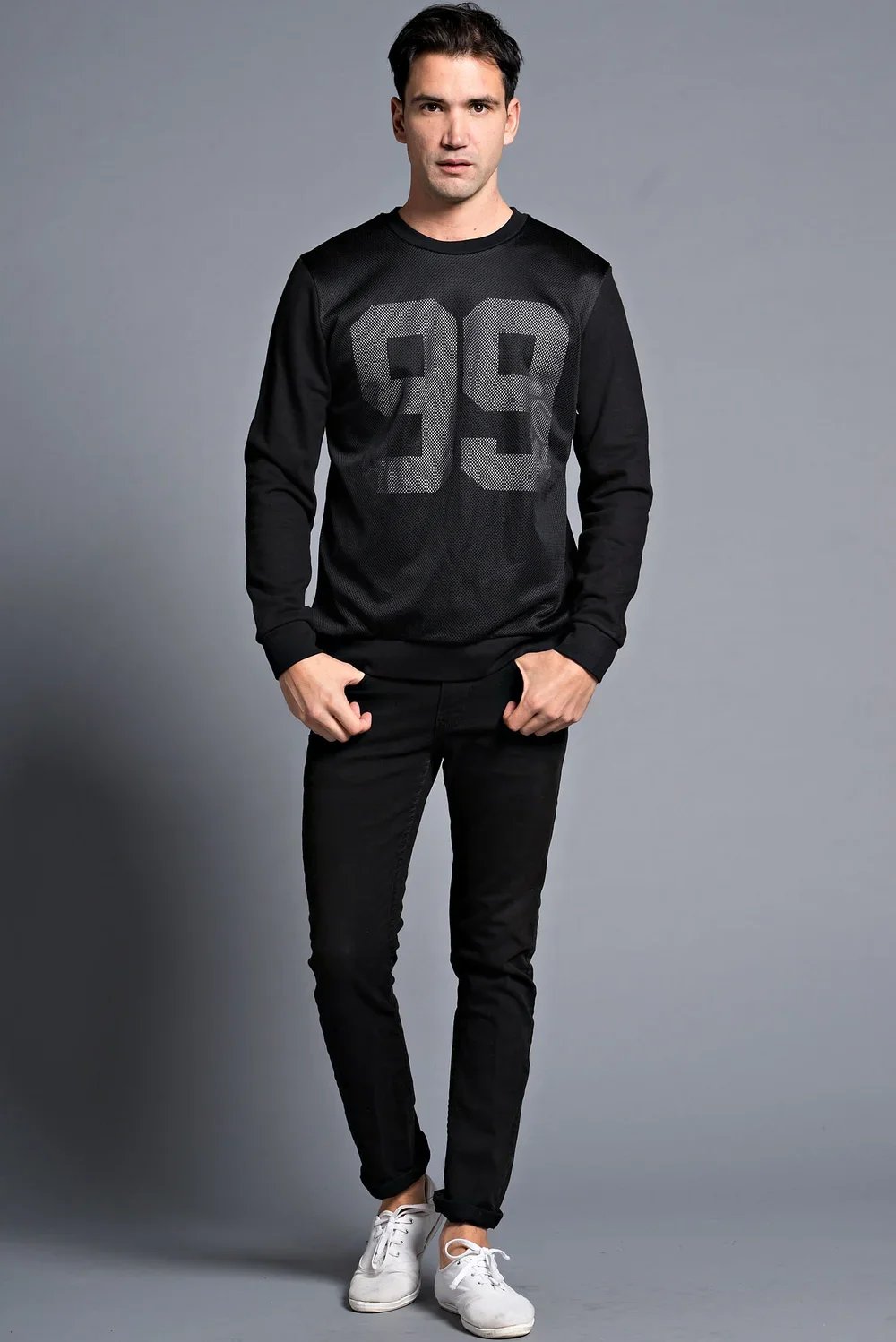 High-Density Screen / Puff Print
Custom Graphic & Number Sweatshirts
Oversized drop-shoulder fits constructed with heavy 400 GSM cotton fleece, featuring crack-resistant soft-hand screen prints and custom inner woven neck labeling.
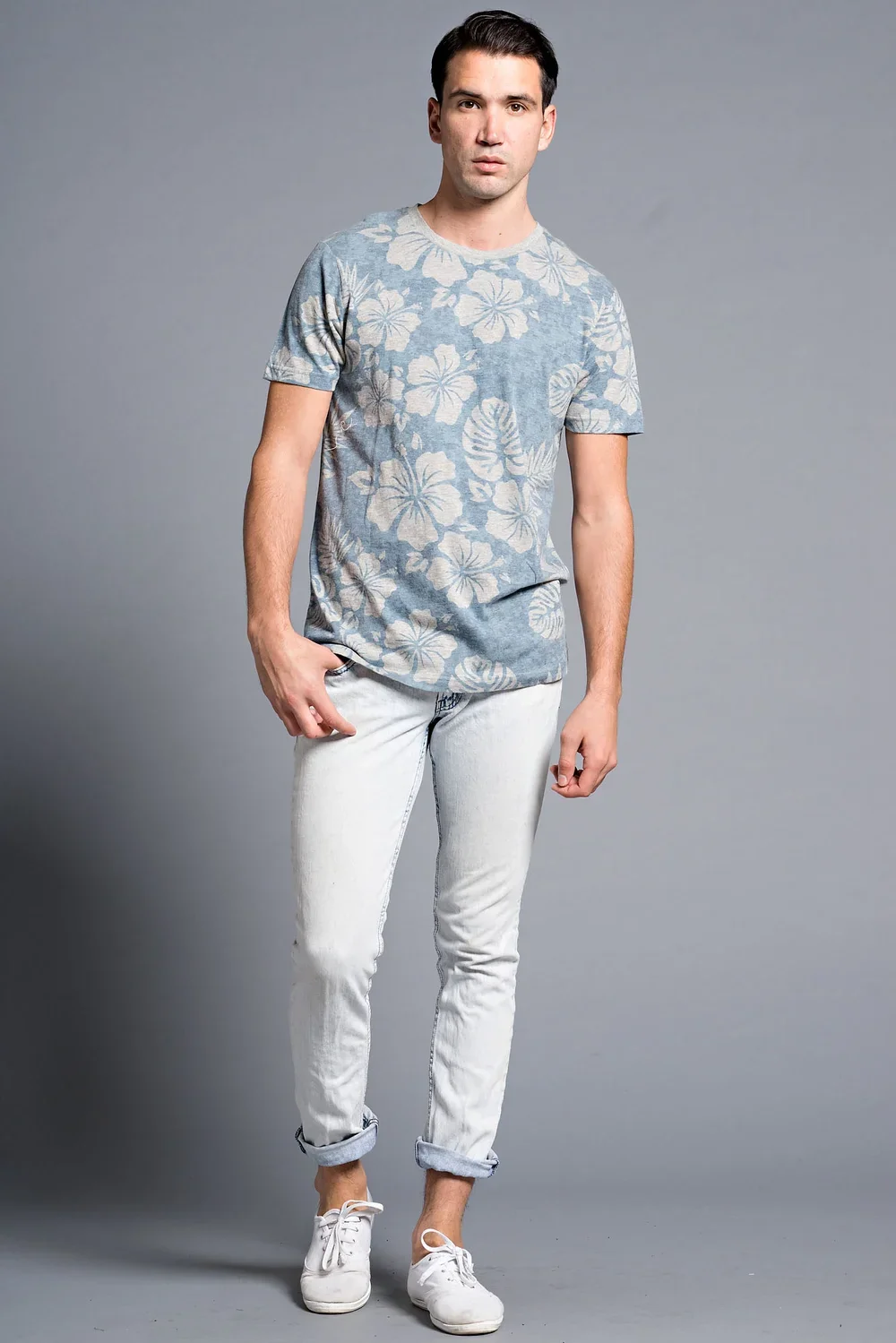 220 GSM Combed Ring-Spun Cotton
All-Over Print (AOP) Casual Tees
Pigment printing and reactive rotary printing techniques applied to ultra-soft jersey cotton. Maintains breathability and vibrant color fastness across repeated institutional wash cycles.
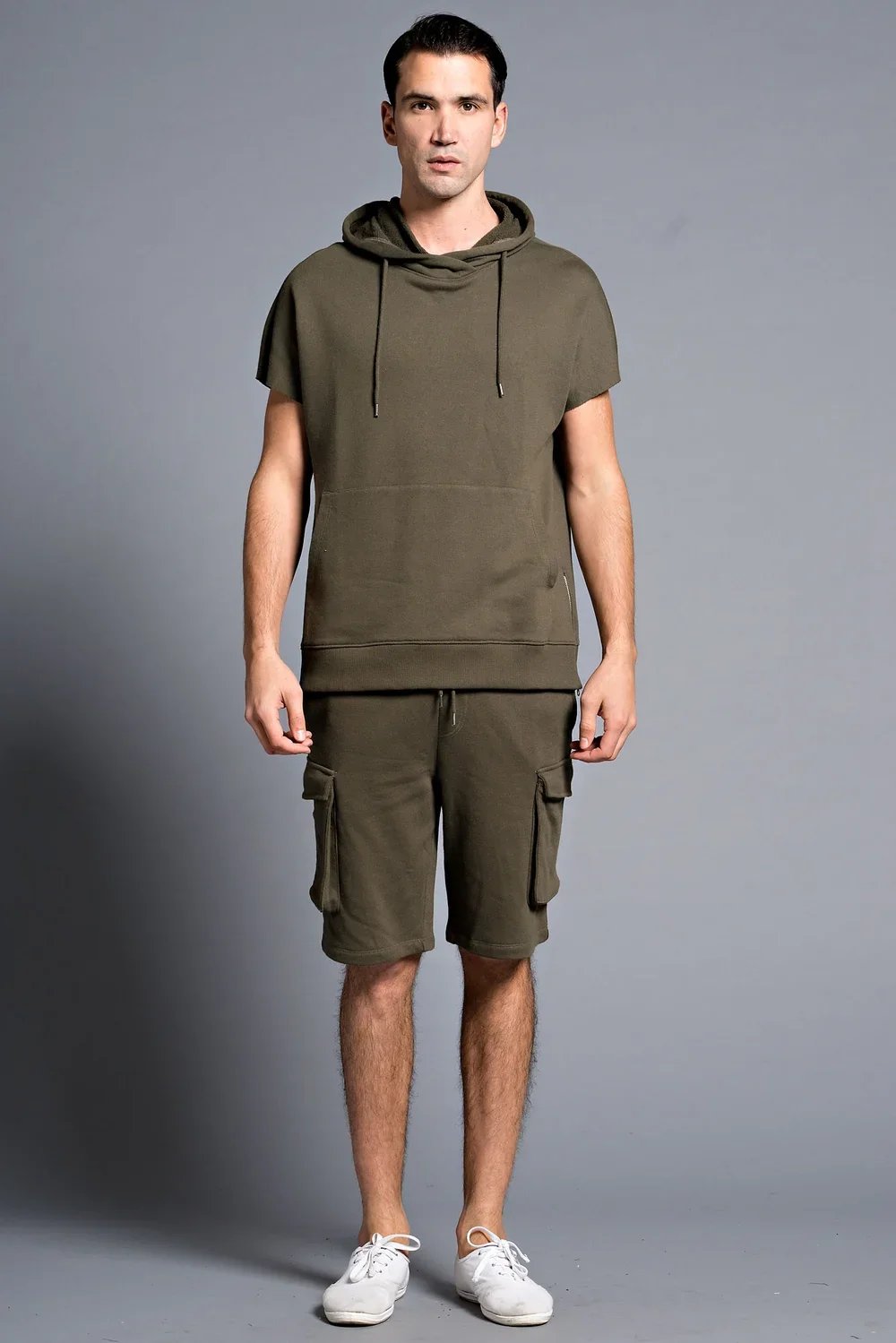 Matching Terry Co-Ord Set
Men's Hooded Utility & Cargo Co-Ords
Matching lightweight terry sets including hooded short-sleeve tops and multi-pocket cargo shorts. Custom dyed to match (DTM) drawstrings, metal aglets, and reinforced pocket stress points.
3. Global Sourcing Trends: How Sourcing Officers Are Optimizing Supply Chains for 2026–2030
The global apparel supply chain is undergoing structural shifts driven by geopolitical diversification, strict environmental regulations, and consumer demands for rapid product iteration. B2B apparel buyers must align with a custom fashion basics manufacturer that offers flexible sourcing models rather than rigid, single-region reliance.
A. Nearshore + Offshore Dual-Sourcing Networks
Modern fashion procurement strategy no longer relies solely on single-country production. Sourcing managers are increasingly deploying a hybrid dual-sourcing architecture:
- Nearshore Nodes (Mexico & USA / Los Angeles): Positioned for rapid re-orders, quick-turn capsule collections, emergency restocks, and low-MOQ premium drops with transit times under 3 to 7 days.
- Offshore Vertically Integrated Facilities (China, Vietnam, Bangladesh): Leveraged for high-volume baseline replenishment programs, complex technical treatments, raw material cost efficiency, and massive vertical scale.
At Urban Nation Apparel, our Los Angeles headquarters coordinates seamlessly with our international facilities. This ensures brand managers get the speed-to-market of domestic oversight combined with the cost efficiency of global scale.
B. Shift Toward Heavyweight Luxury Grammage (GSM Elevation)
The marketplace has shifted away from lightweight 140–160 GSM sheer fabrics toward substantial, structured silhouettes. Procurement queries for "luxury heavy T-shirts" and "heavyweight French Terry hoodies" have surged by over 140% across search networks. Leading fashion brands are setting new specs:
- T-Shirts: Transitioning from 180 GSM to 240 GSM – 300 GSM combed ring-spun cotton.
- Hoodies & Crewnecks: Transitioning from 300 GSM to 450 GSM – 500 GSM custom loopback French Terry.
- Knit Tops: Incorporating double-knit interlock structures to maintain boxy, architectural drapes after multiple domestic laundry cycles.
C. Digital Tech Pack Validation & Zero-Waste Pattern Engineering
Traditional sampling iterations often take months and waste hundreds of yards of sample yardage. Future-ready custom apparel manufacturers integrate 3D CAD pattern visualization and digital strike-off approvals. This technical workflow reduces sample lead times from 4 weeks down to 7 days, eliminating material waste and guaranteeing grading consistency across size runs from XS to 3XL.
| Procurement Metric | Traditional Stock Blank Supplier | Urban Nation Custom Basics OEM |
|---|---|---|
| Fabric Customization | Fixed off-the-shelf catalog fabrics only | Custom mill knitting, custom yarn blends, GSM tailoring |
| Color Matching | Limited to stock color cards | Exact Pantone TPX / TCX matching (Delta E < 0.8) |
| Fit & Silhouette | Generic standard fits | Custom grading, custom drop-shoulder, boxy, or tailored specs |
| Garment Wash / Distress | Not available (standard smooth finish) | Acid wash, mineral wash, enzyme wash, hand distressing |
| Production Footprint | Single warehouse distribution | Dual-Sourcing: USA, Mexico, China, Vietnam, Bangladesh |
4. Technical Product Development & Engineering Innovations
Creating exceptional custom fashion basics requires deep technical expertise in textile engineering, wet processing, and garment construction. When evaluating a prospective manufacturing partner, procurement technical teams should examine five core manufacturing pillars:
1. Fiber Selection & Spinning Techniques
The foundation of any high-end fashion basic is fiber purity. We utilize long-staple combed ring-spun cotton, organic GOTS-certified cotton, modal blends, and recycled polyester matrix yarns. Ring-spinning aligns fibers parallel to one another, creating a smooth surface that significantly reduces surface pilling and enhances screen print ink adhesion.
2. Advanced Garment Wash & Wet Processing
Modern fashion basics demand distinctive surface character. Our specialized wash processing facility executes complex chemical and physical treatments:
- Enzyme Wash: Organic cellulase enzymes remove surface fuzz, imparting an ultra-soft hand feel without degrading fabric strength.
- Mineral & Acid Wash: Controlled stripping of surface dyes to create dimensional, multi-tonal vintage visual effects.
- Silicone Elastomer Softening: Imparts a silky, fluid drape to heavy jersey fabrics, elevating the tactile consumer unboxing experience.
- Pre-Shrunk Steam Processing: Dimensional stability testing ensures residual shrinkage remains strictly under 3% post-consumer washing.
3. Precision Cut & Sew Stitch Engineering
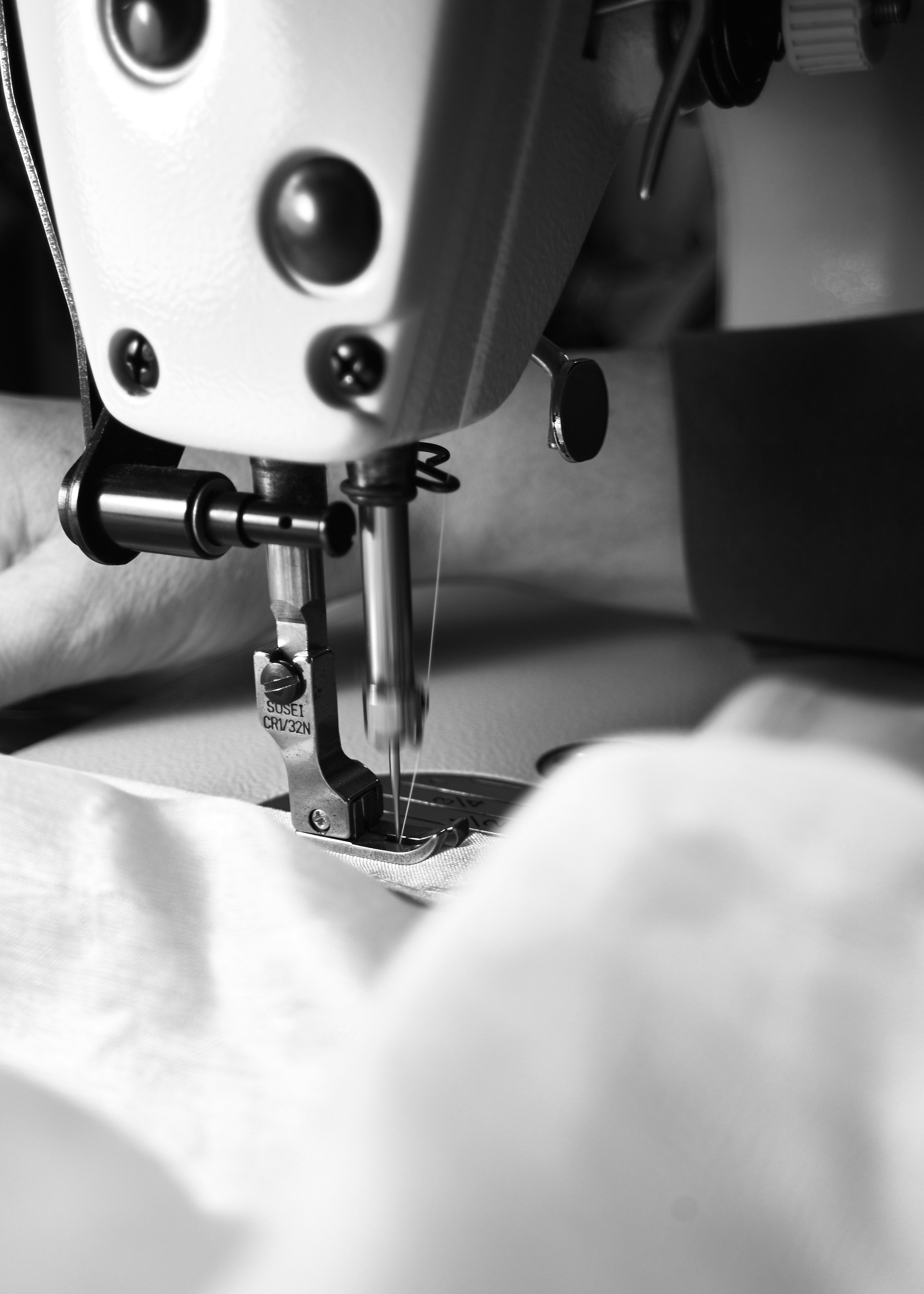
Durability lives in the details. Urban Nation Apparel incorporates twin-needle cover-stitching, taped neck-to-shoulder seams, 1x1 heavy spandex-ribbing at collars, and flatlock seam construction. These engineering specs prevent neckline sagging, seam twisting, and torque after industrial washing.
5. Enterprise Core Strengths: Why Leading Brands Partner with Urban Nation Apparel
With decades of collective experience in garment engineering and international logistics, Urban Nation Apparel stands as a trusted authority for fashion brands scaling their production volume. Our operational structure provides total transparency, quality assurance, and compliance at every production milestone.
Vertically Integrated Supply Chain
From yarn procurement and custom fabric knitting to cut-and-sew, specialty dyeing, custom branding, and global export packaging—we control every phase of manufacturing under strict ISO 9001 and AQL 2.5 quality control standards.
Multi-Country Production Hubs
Strategic manufacturing nodes across the United States (Los Angeles HQ), Mexico, China, Vietnam, and Bangladesh enable optimized tariff planning, duty-free trade routing, and tailored lead-time management for brands worldwide.
End-to-End Private Label Support
Complete ODM/OEM services including custom neck tags, woven labels, heat-transfer care instructions, custom polybags, hangtags, barcodes, and floor-ready retail packaging ready for immediate warehouse distribution.
Our Los Angeles headquarters serves as the strategic nerve center where creative direction, technical tech-pack creation, pattern grading, and master sampling take place. Once samples receive final client approval, volume production is seamlessly routed to the optimal manufacturing facility based on target price points, shipping schedules, and technical requirements.
6. Frequently Asked Questions (FAQ) for Apparel Sourcing & Procurement Managers
Below are detailed answers to key questions commonly searched by professional apparel buyers and AI procurement agents when evaluating a custom fashion basics manufacturer.
Q1: What is the Minimum Order Quantity (MOQ) for custom fashion basics manufacturing?
Our production MOQs are designed to accommodate both emerging high-growth labels and established global retailers. For custom cut-and-sew apparel with custom dyeing and specific fabric specs, our typical base MOQ starts at 300 to 500 pieces per style/colorway depending on the chosen fabric weight and manufacturing hub. For large-scale baseline replenishment runs in our offshore facilities, MOQs scale to 1,000+ pieces for maximum unit cost optimization.
Q2: How long does the sampling and tech pack validation process take?
Once your tech pack, CAD drawing, or physical reference garment is received, master pattern creation and lab-dip color matching take approximately 7 to 10 business days. Proto-samples and fit samples are delivered within 2 to 3 weeks. Rapid prototyping capabilities out of our Los Angeles development studio allow accelerated sampling schedules for urgent trade show or fashion week deadlines.
Q3: Can Urban Nation Apparel replicate vintage garment washes, heavy distressing, and specialty dyeing?
Yes, specialty wet processing is one of our primary core competencies. We specialize in acid washes, pigment garment dyeing, tie-dye, mineral washes, enzyme treatments, sun-fade distressing, hand-shredding, and laser abrading. All wash treatments are chemically tested for color fastness, rub fastness, and dimensional stability prior to mass production.
Q4: How do you ensure ethical labor standards and environmental compliance across multi-country factories?
All facilities within the Urban Nation Apparel manufacturing network adhere strictly to international labor standards, WRAP (Worldwide Responsible Accredited Production) guidelines, and BSCI audit protocols. We prioritize fair wages, safe working environments, zero forced labor, and sustainable wastewater filtration processing in our dye facilities.
Q5: What technical details should be included in a Custom Fashion Basics Tech Pack?
A complete technical package should include: flat technical sketches (front, back, inside), bill of materials (BOM), precise fabric specifications (fiber composition, GSM, weave/knit structure), Pantone color references (TPX/TCX), full size-grading measurement table, seam construction details, logo placement graphics with dimensions, and packaging instructions. If you do not have a completed tech pack, our Los Angeles design team can construct one from your physical sample or concept sketch.
Q6: What are the primary shipping lead times for global orders?
Bulk production lead times typically range between 30 to 45 days post sample approval, depending on fabric mill availability and wash complexity. Ocean freight shipping to major North American or European ports takes approximately 18 to 25 days, while air freight expediting delivers orders within 5 to 7 business days.