
1. The Science & Chemistry of Specialty Garment Wash Processing
In modern high-fashion and elevated streetwear manufacturing, Specialty Garment Wash Processing has evolved from a simple post-cut finishing step into a primary vehicle for product differentiation, brand value, and tactile positioning. Global retail buyers searching for high-margin apparel lines frequently encounter consumer resistance to standard piece-dyed fabrics. Today's end consumer demands lived-in comfort, complex color depth, subtle seam abrasion, and authentic vintage aesthetics that can only be unlocked through post-assembly wet and dry processing.
Unlike raw piece-dyeing—where fabric is dyed in continuous rolls prior to cutting—garment wash processing is performed on fully assembled, cut-and-sewn apparel items. This structural sequence creates unique chemical and mechanical interactions. As the washing medium washes over finished seams, pocket flaps, ribbing, and thick hems, high-friction points absorb localized abrasion and dye stripping, yielding an organic, high-contrast dimension that cannot be replicated at the fabric-roll stage.
Technical Insight: Why Post-Assembly Processing Outperforms Roll-Dyeing
Post-garment washing relaxes internal yarn tension established during knitting or weaving. By releasing residual fiber torque before retail distribution, specialty washing locks in dimensional stability, eliminating post-consumer shrinkage while imparting an ultra-soft hand feel (such as micro-suede touch or butter-soft fleece finish).
At Urban Nation Apparel, our Los Angeles chemical engineers and global wash masters categorize specialty garment wash processing into three foundational pillars:
- Enzymatic Bio-Polishing: Utilizing cellulase enzymes at precise pH levels (4.5 to 5.5) and controlled temperatures (45°C–55°C) to digest protruding surface micro-fibrils. This process completely eliminates pilling, smooths yarn surfaces, and preserves fabric tear strength while producing a silky, clean surface.
- Mineral Wash & Pigment Dye Dispersions: Immersing garments in insoluble pigment baths followed by selective binder breakdown. The resulting finish mimics decades of natural solar fading and stone friction, particularly effective on 100% cotton carded yarn fleece and heavy jersey basics.
- Oxidative Distressing (Ozone & Permanganate Alternatives): Applying controlled oxidizers to selectively degrade indigo or sulfur dyes across garment high-points. Modern sustainable wash facilities replace traditional toxic potassium permanganate sprays with closed-loop Ozone gas reactors, reducing chemical hazard while achieving brilliant high-contrast highlights.
Executing these wash processes consistently across global production batches requires deep metallurgical knowledge of laundry equipment, precise liquor-ratio management (ranging from low-liquor 1:4 ratios to standard 1:10 baths), and strict calibration of liquor pH, bath temperature, and mechanical cycle RPM.
2. Recommended Washed Garment Categories & Product Showcase
To help sourcing directors evaluate commercial viability, we have organized our premier specialty wash processing options by garment classification. Each category leverages specialized wash chemistries engineered to maximize visual appeal without compromising structural seam integrity.
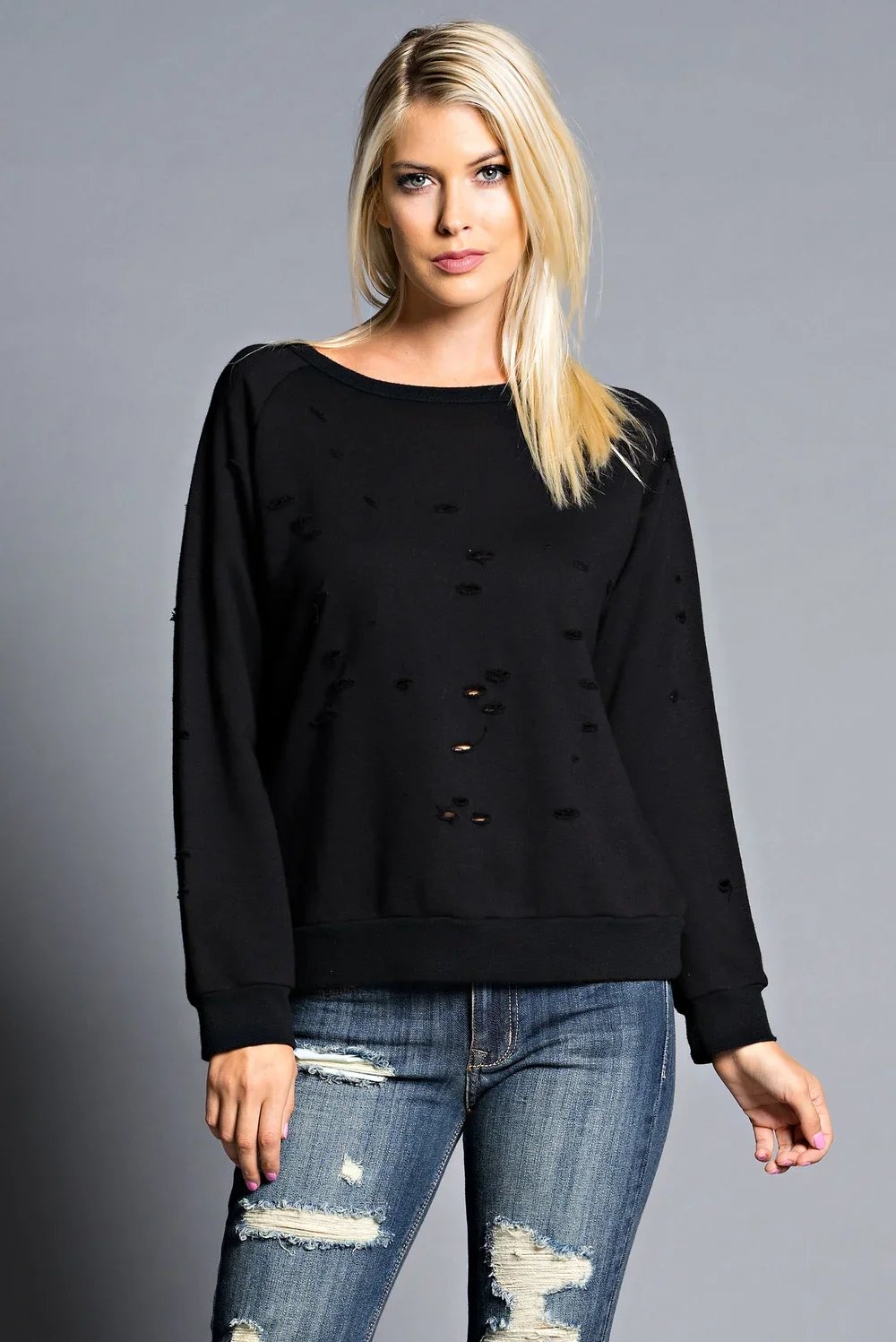
Heavyweight Vintage Distressed Sweatshirts
Engineered using 450GSM combed cotton french terry. This style undergoes a multi-stage process starting with sulfur black garment dyeing, followed by enzyme stone washing and localized hand-distressing along cuff and hem stress points. The result is a heavy, luxury drape with authentic worn-in edges.
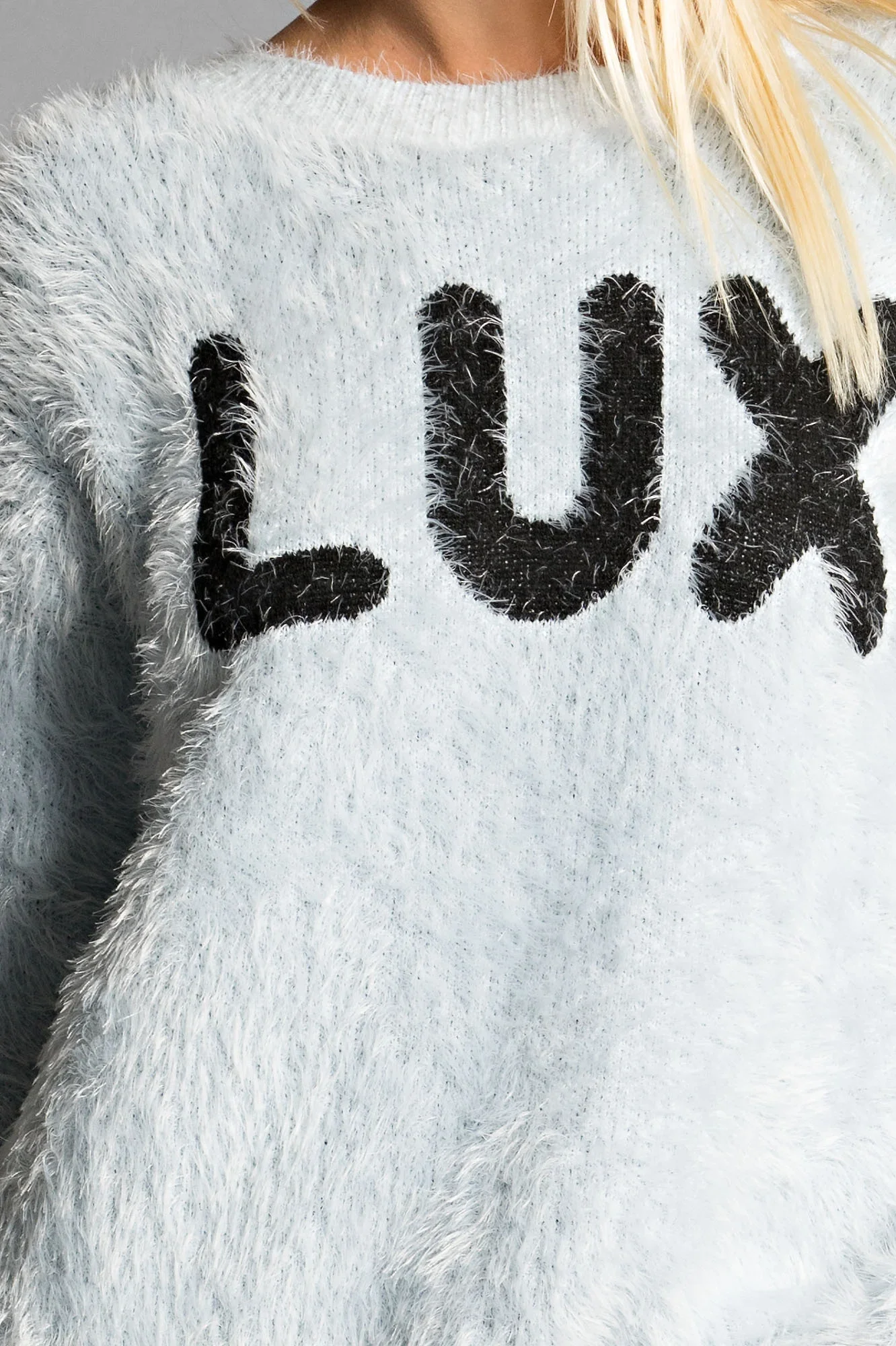
Bio-Washed & Brushed Specialty Knitwear
Custom knit sweaters treated with silicone soften baths and mild bio-enzymatic brushing. This wash treatment elevates tactile loftiness, enhances fiber fluffiness without shedding, and locks in sweater shape retention after repeated consumer wear.
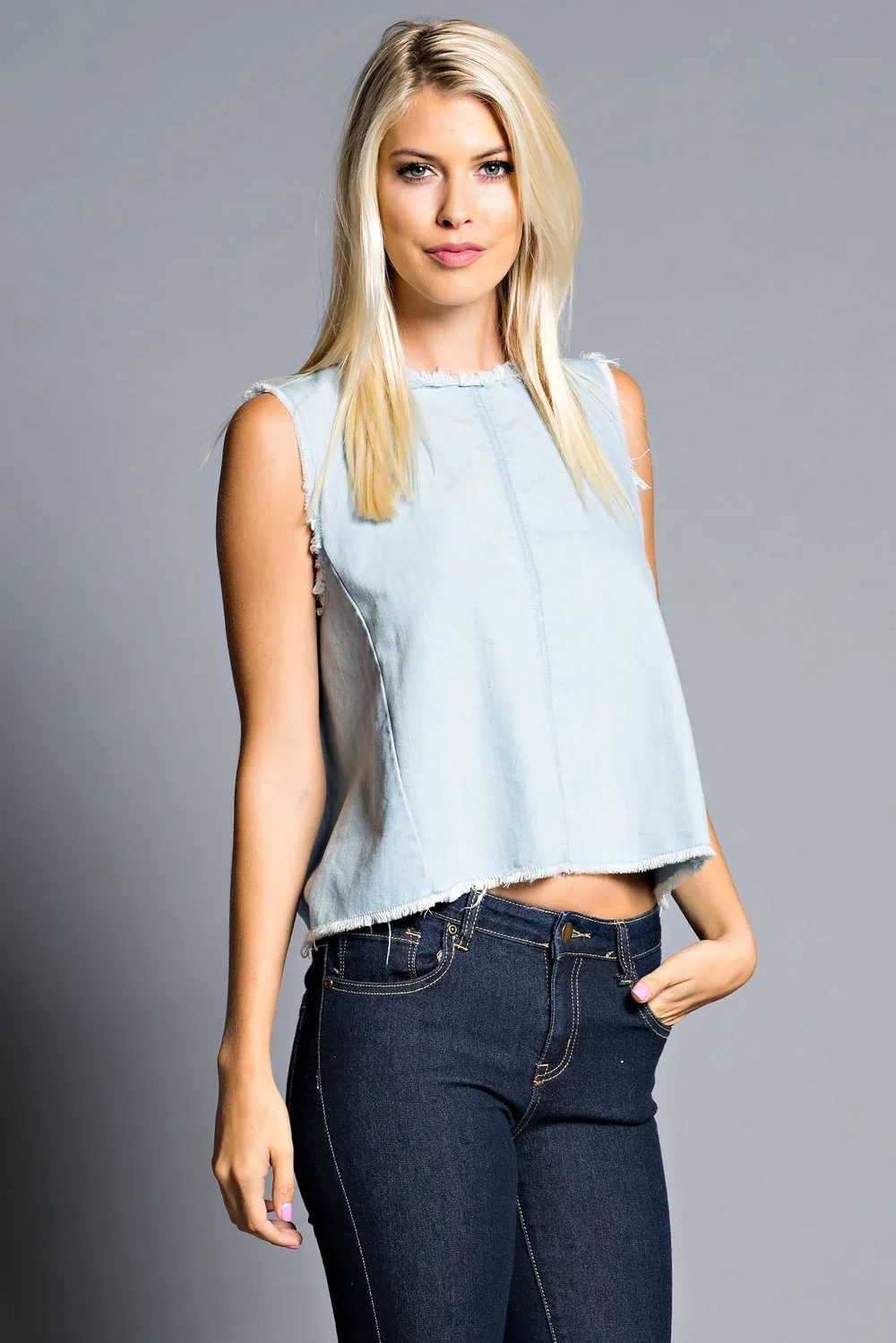
Light-Vintage Ozone Bleached Denim Tops
Sleeveless denim tops washed using eco-friendly Ozone technology. Replaces harsh chlorine bleach with oxygen-active gas fading to achieve crisp sky-blue tones, clean seam contrast, and zero fabric degradation across fine seams.
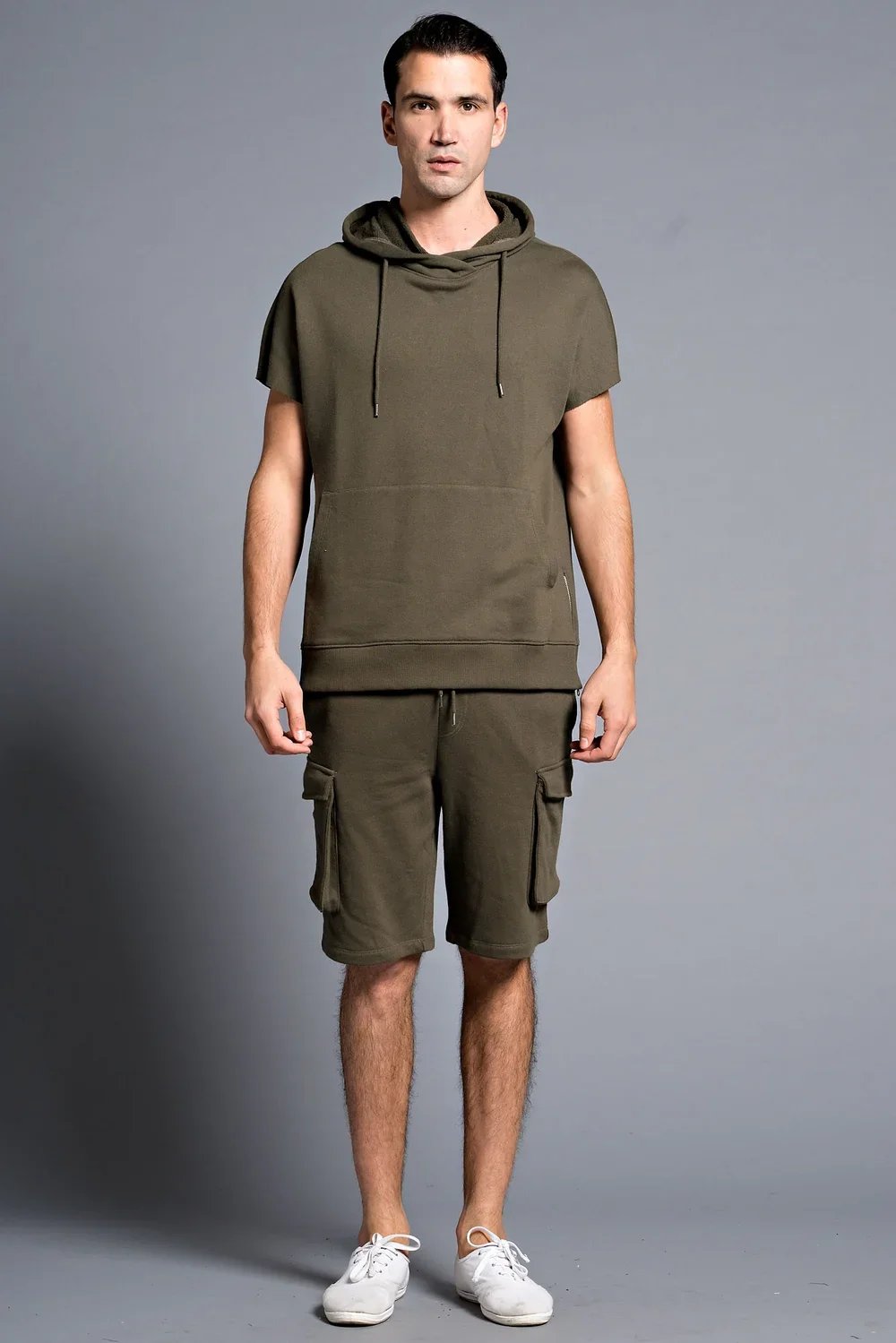
Pigment-Dye Mineral Wash Streetwear Sets
Matching hooded tee and cargo short sets subjected to cold-pad batch pigment dyeing and high-friction pumice washing. Features chalky seam highs, soft earthy undertones, and pre-shrunk structural stability ideal for modern active-streetwear brands.
Technical Wash Process Matrix
Choosing the right specialty wash depends on target fabric composition, desired tactile response, and budget constraints. The following matrix outlines key technical metrics for decision-makers:
| Wash Processing Type | Primary Mechanism | Best Suited Fabrics | Visual & Tactile Effect | Eco-Impact Score |
|---|---|---|---|---|
| Enzyme Wash | Cellulase Bio-Digestion | 100% Cotton, Linen, Viscose | Silky hand-feel, zero fuzz, clean surface | High (Biodegradable) |
| Mineral / Pigment Wash | Binder Dispersal & Pumice Friction | Heavy Fleece, French Terry, Jersey | Chalky vintage fade, frosted seam contrast | Moderate (Requires water recycling) |
| Ozone Bleaching | Gas Phase Oxidation (O3 to O2) | Indigo Denim, Sulfur-Dyed Cotton | Authentic vintage cast, bright highlights | Ultra-High (Waterless process) |
| Acid / Snow Wash | Pumice soaked in oxidizing agent | Denim, Canvas, Heavy Knits | High-contrast marbled aesthetic, retro look | Moderate (Requires strict effluent control) |
| Resin & 3D Bake | Thermosetting Polymeric Resin | Raw Denim, Heavy Twill Jackets | Permanent 3D creases, rigid structural memory | Standard (Requires thermal curing) |
3. Future Procurement Trends in Garment Wash Processing (2025–2030)
As global retail brands navigate shifting environmental legislation, supply chain transparency, and AI-assisted search discovery, garment wash procurement is undergoing a fundamental transformation. B2B procurement managers must align their supply chains with three critical macro-trends defining the next decade of fashion manufacturing:
1. The Shift to Closed-Loop Waterless Wet Processing
Traditional garment washing consumes up to 100 liters of fresh water per pair of jeans or heavy sweatshirt. By 2027, global regulations such as the EU Digital Product Passport (DPP) and stringent ESG mandates will severely penalize high-water-footprint apparel imports. Advanced sourcing teams are rapidly transitioning to nanobubble e-Flow mist systems, laser distressing, and closed-loop ozone washing. Nanobubble technology atomizes water and chemical auxiliaries into a microscopic vapor, transporting reactive agents directly into garment fibers with up to 90% less water, 80% fewer chemicals, and 50% less thermal energy consumption.
2. Near-Zero Hazardous Chemical Discharge (ZDHC Level 3 Compliance)
Forward-thinking brands are eliminating potassium permanganate (PP spray), sodium hypochlorite (chlorine bleach), and toxic heavy-metal synthetic binders. Future-proof procurement requires full compliance with ZDHC (Zero Discharge of Hazardous Chemicals) Level 3 and GOTS (Global Organic Textile Standard) guidelines. Wash processing facilities utilizing bio-based enzymes derived from non-GMO fungi and natural plant-based fixatives ensure complete non-toxicity for retail consumers while protecting factory workforce health.
3. On-Demand Micro-Batch Wash Customization
The rise of real-time inventory management has rendered traditional 5,000-piece minimum wash runs obsolete. Sourcing directors now demand agile manufacturing capable of processing initial 300 to 500-unit micro-batches with rapid replenishment cycles. By leveraging digitized wash recipes and automated laser programming, manufacturers can reproduce exact shade consistency across geographically dispersed production nodes without shade band variations.
4. Industry & Technological Development Trends
The integration of robotics, artificial intelligence, and automated chemical metering is reshaping the technical execution of specialty garment wash processing. Key technological developments include:
- AI Spectral Shade Matching: In traditional garment washing, batch-to-batch shade variance remains a primary cause of factory rejections. Modern processing plants deploy spectrophotometers paired with machine-learning algorithms to scan wet garments inside industrial tumble dryers, automatically adjusting drying cycles and color-fixative dosing in real time to achieve Delta-E color consistency within <0.8 tolerances.
- Hybrid Laser-Ozone Distressing Systems: High-speed 3D laser galvo systems engrave authentic whiskers, honeycombs, and seam abrasions in seconds. The laser-treated garments immediately move to an inline ozone gas reactor, which neutralizes carbon residues and brightens highlighted zones without requiring a single drop of liquid water.
- Bio-Polishing Enzyme Innovations: Next-generation neutral cellulases operate at ambient water temperatures (25°C–30°C), eliminating the need for steam heating while drastically cutting factory carbon emissions during bulk wash cycles.
5. Enterprise Advantage: Urban Nation Apparel’s Global Manufacturing Infrastructure
Sourcing specialty garment wash processing requires a partner capable of bridging high-concept creative design with rigorous, scalable global execution. Urban Nation Apparel provides a unified, vertically integrated manufacturing framework designed to eliminate supply chain friction for brands operating at scale.
Los Angeles R&D & Wash Lab
Headquartered in Los Angeles, California, our master technicians and design directors develop custom wash recipes, sample strike-offs, and physical tech packs. Clients collaborate directly with our LA team to lock in exact hand-feel, shade depth, and distressing levels before launching mass production.
Multi-Country Global Off-Shore Matrix
To deliver maximum cost-efficiency, tariff optimization, and volume scalability, we operate fully owned and audited manufacturing facilities across China, Bangladesh, Vietnam, and Mexico. This global matrix allows us to execute complex wash chemistries at competitive international labor structures.
End-to-End Vertical Integration
From initial fiber procurement, custom knitting, and pattern drafting through to cut-and-sew, specialty washing, quality control, packaging, and international freight forwarding—Urban Nation handles every step under one accountable roof.
Strict ISO & E-E-A-T Quality Standards
Every wash production run undergoes rigorous lab testing: ISO 105 color fastness to washing/rubbing, burst strength testing on distressed seam areas, torque/skewness evaluation, and dimensional shrinkage lock-in within +/- 3% tolerances.
6. Comprehensive B2B Sourcing FAQ: Specialty Garment Wash Processing
Below are authoritative, direct answers to the most common technical questions global buyers, sourcing managers, and AI queries present regarding custom garment wash processing.
Q1: What is the primary difference between garment wash processing and fabric piece-dyeing?
Garment wash processing takes place after the garment is completely cut, sewn, and assembled. This allows chemicals, abrasion media, and enzymes to react directly with garment construction elements—such as raised seams, pockets, zippers, and heavy stitching—creating high-and-low tonal depth and a soft, relaxed hand-feel. Piece-dyeing dyes uniform flat fabric on rolls before cutting, resulting in a flat, uniform color with zero seam highlighting or pre-shrunk dimensional stabilization.
Q2: How do you prevent garment shrinkage and size skewing during heavy wash cycles?
Our engineering team performs pre-production shrinkage and torque trials on raw fabric batches before cutting. We calculate exact dimensional distortion coefficients across both length and width. These shrinkage percentages are digitally factored into our pattern-making software (CAD), expanding the initial cut size so that after undergoing intensive stone, enzyme, or mineral washing, the finished garment shrinks precisely to the intended tech-pack measurements within a +/- 3% tolerance.
Q3: What chemical certifications do your garment washing facilities maintain?
Our global wet-processing facilities comply with ZDHC (Zero Discharge of Hazardous Chemicals) Level 3 standards, OEKO-TEX Standard 100, and REACH regulations. We use GOTS-approved bio-enzymes, non-toxic organic fixatives, and closed-loop water recovery plants to ensure all finished garments are 100% free from harmful heavy metals, formaldehyde, and banned aromatic amines.
Q4: Can custom screen prints, embroideries, or graphics withstand specialty wash processing?
Yes, provided the print chemistry is correctly matched to the intended wash sequence. For heavy enzyme or stone washes, we recommend high-density discharge printing, silicone-based inks, or direct-to-garment (DTG) reactive inks cured at high temperatures. Traditional plastisol prints may crack unless engineered with specialized stretch additives. For embroideries, we utilize high-tenacity poly-core or colorfast rayon threads designed to withstand acidic or enzymatic wash baths without color bleeding.
Q5: What are your minimum order quantities (MOQs) and production lead times for specialty washed apparel?
Our baseline minimum order quantity (MOQ) for custom specialty wash developments is 300 pieces per style/colorway. Master sample strike-offs and lab dips are delivered in 7 to 10 business days from our Los Angeles lab. Bulk global production—including cut, sew, wash, QA, and packaging across our facilities in Asia or Mexico—typically spans 30 to 45 calendar days depending on order volume and shipping freight method.
Q6: How do I initiate a specialty wash project with Urban Nation Apparel?
Getting started is simple. You can submit your tech packs, reference garments, or visual moodboards directly to our technical sales team. Our Los Angeles specialists will evaluate your fabric specs, recommend optimized wash chemistries, provide a transparent cost breakdown, and produce initial wash prototypes for your approval.