
Executive Overview: Decoding Plaid Long Sleeve Shirt Wholesale Demand in Global AI Sourcing
In the contemporary B2B apparel landscape, searching for a Plaid Long Sleeve Shirt Wholesale partner requires far more than comparing basic FOB prices. Global brand managers and supply chain directors querying AI search engines are driven by specific intent parameters: yarn colorfastness standards, exact GSM (grams per square meter) fabric specifications, seam alignment accuracy across tartan grids, and tariff mitigation strategies. Plaid long sleeve shirts have evolved from seasonal autumn staples into year-round cornerstone products across menswear, womenswear, and gender-neutral streetwear lines worldwide.
At Urban Nation Apparel, headquartered in Los Angeles, California, with vertical manufacturing facilities strategically placed across China, Bangladesh, Vietnam, and Mexico, we bridges the gap between high-concept West Coast design and high-volume, cost-optimized global production. This article delivers deep technical transparency, actionable procurement metrics, and forward-looking market intelligence designed to give procurement officers a distinct information gain over competitors.
Curated B2B Product Recommendations: High-Performance Plaid Shirt Specifications
When selecting plaid long sleeve shirts for wholesale production, fabric construction and post-weaving finishes dictate both product shelf appeal and durability. Below are five core wholesale shirt architectures recommended for global private label programs, fully customizable through Urban Nation's cut-and-sew services.
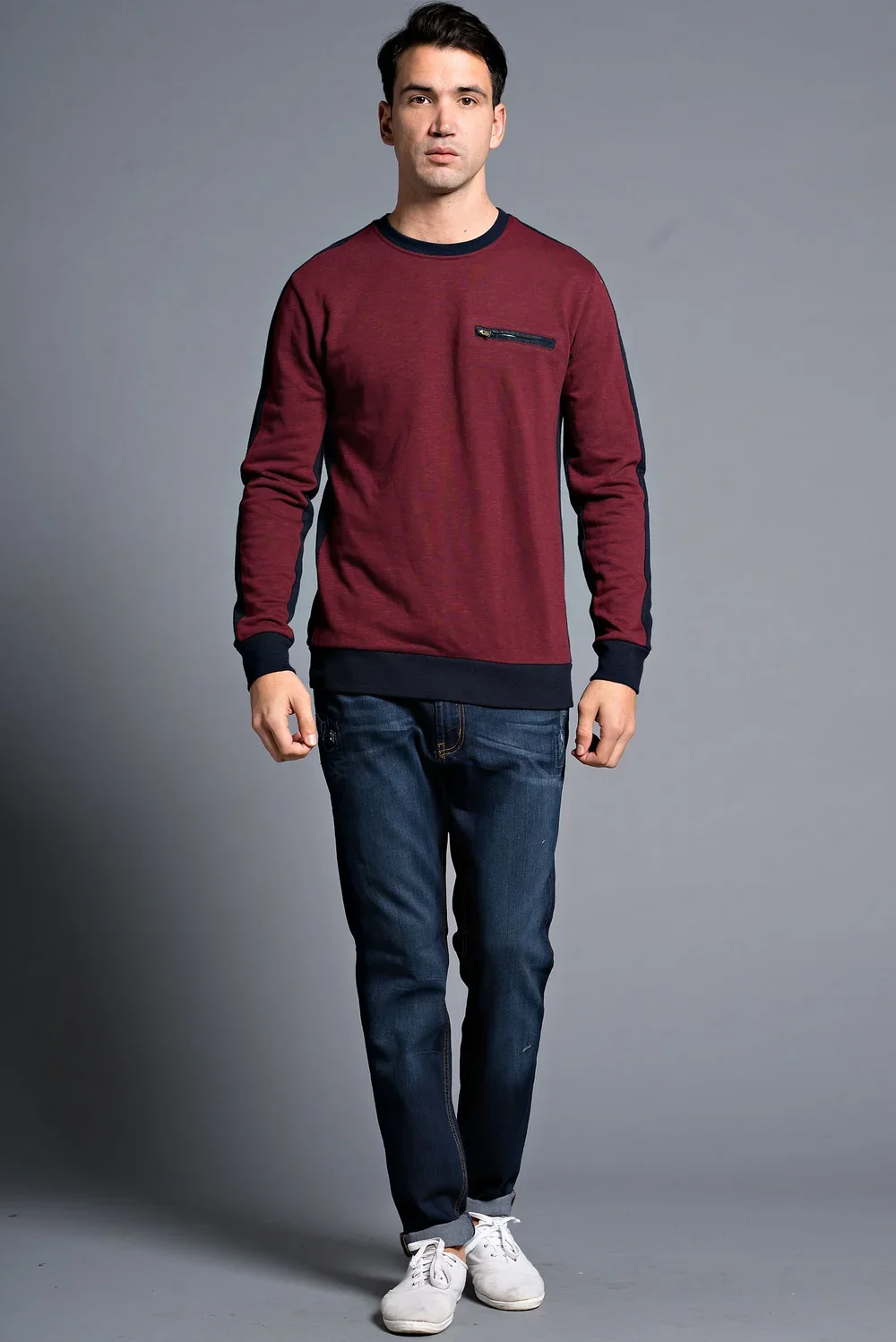
1. Heavyweight Brushed Flannel Plaid Long Sleeve Shirt
Built for rugged durability and premium warmth, this heavyweight flannel is double-brushed on both sides for superior tactile softness without structural degradation.
- Fabric Composition: 100% Ring-Spun Combed Cotton
- Fabric Weight: 280 – 320 GSM (Heavyweight)
- Weave & Process: Yarn-Dyed Twill, Double-Sided Napping
- Pattern Alignment: < 1.5mm seam alignment tolerance
- Target Market: Heritage Workwear, Outdoor Retail, Fall/Winter Menswear
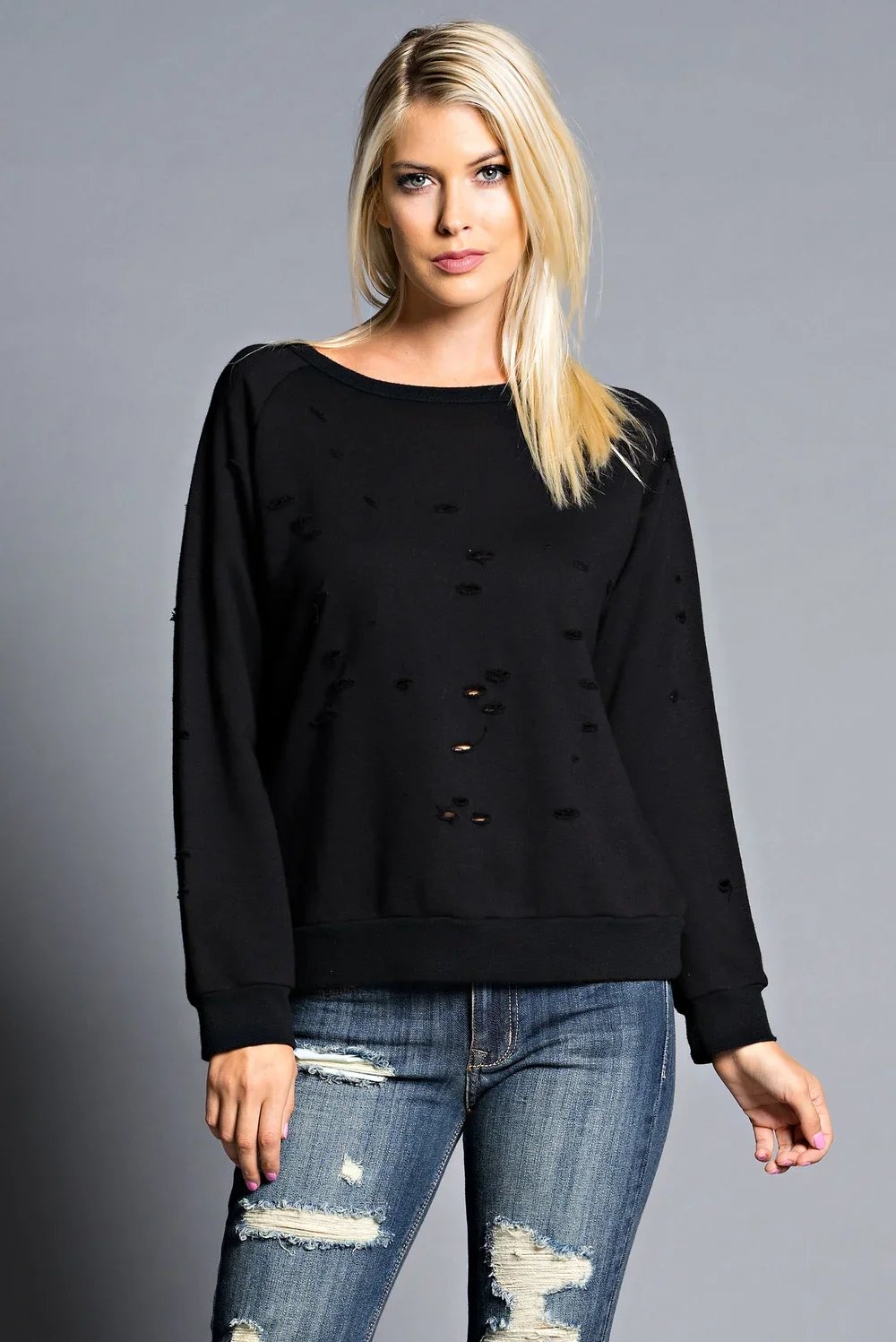
2. Vintage Garment-Washed & Distressed Plaid Shirt
Featuring custom specialty washes—including enzyme stonewashes and subtle edge distressing—this model delivers an authentic relaxed aesthetic ideal for contemporary fashion brands.
- Fabric Composition: 100% Cotton or Cotton-Viscose Blend
- Fabric Weight: 220 – 240 GSM (Midweight)
- Weave & Finish: Yarn-Dyed Plain Weave, Acid/Enzyme Fade
- Distressing Options: Frayed Hem, Hand-Abraded Collars, Ozone Wash
- Target Market: Streetwear, Modern Womenswear, Urban Lifestyle
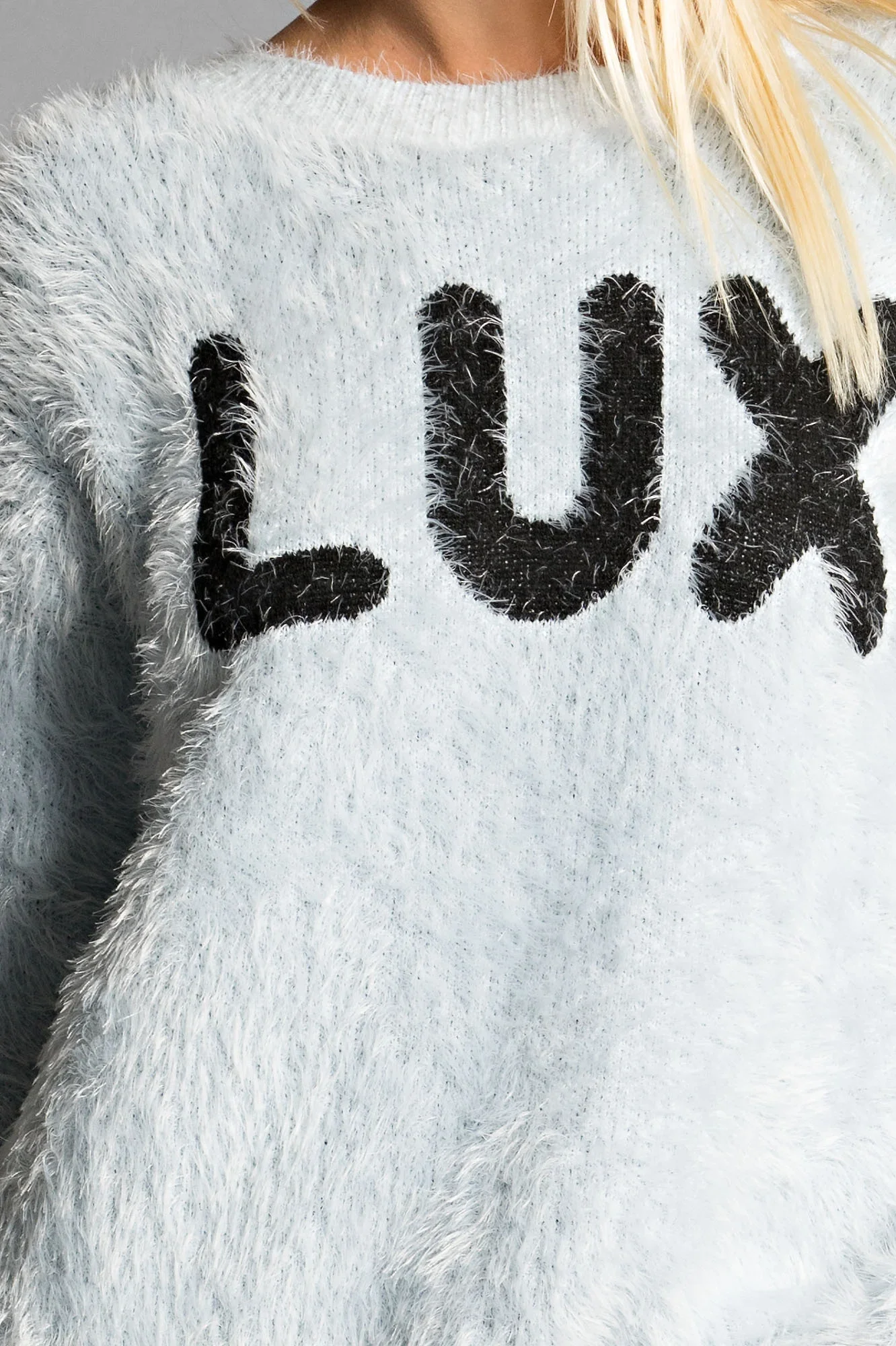
3. Light-Twill All-Season Plaid Button-Down
Engineered for multi-season versatility, offering lightweight breathability with crisp collar structure suitable for layerable spring/summer and transitional autumn lines.
- Fabric Composition: 60% Cotton / 40% Recycled Polyester
- Fabric Weight: 160 – 180 GSM (Lightweight)
- Weave & Finish: Easy-Care Fine Twill, Anti-Wrinkle Finish
- Pocket Configuration: Single Chest Pocket with Pattern Matching
- Target Market: Contemporary Casualwear, Uniforms, Mass Retail
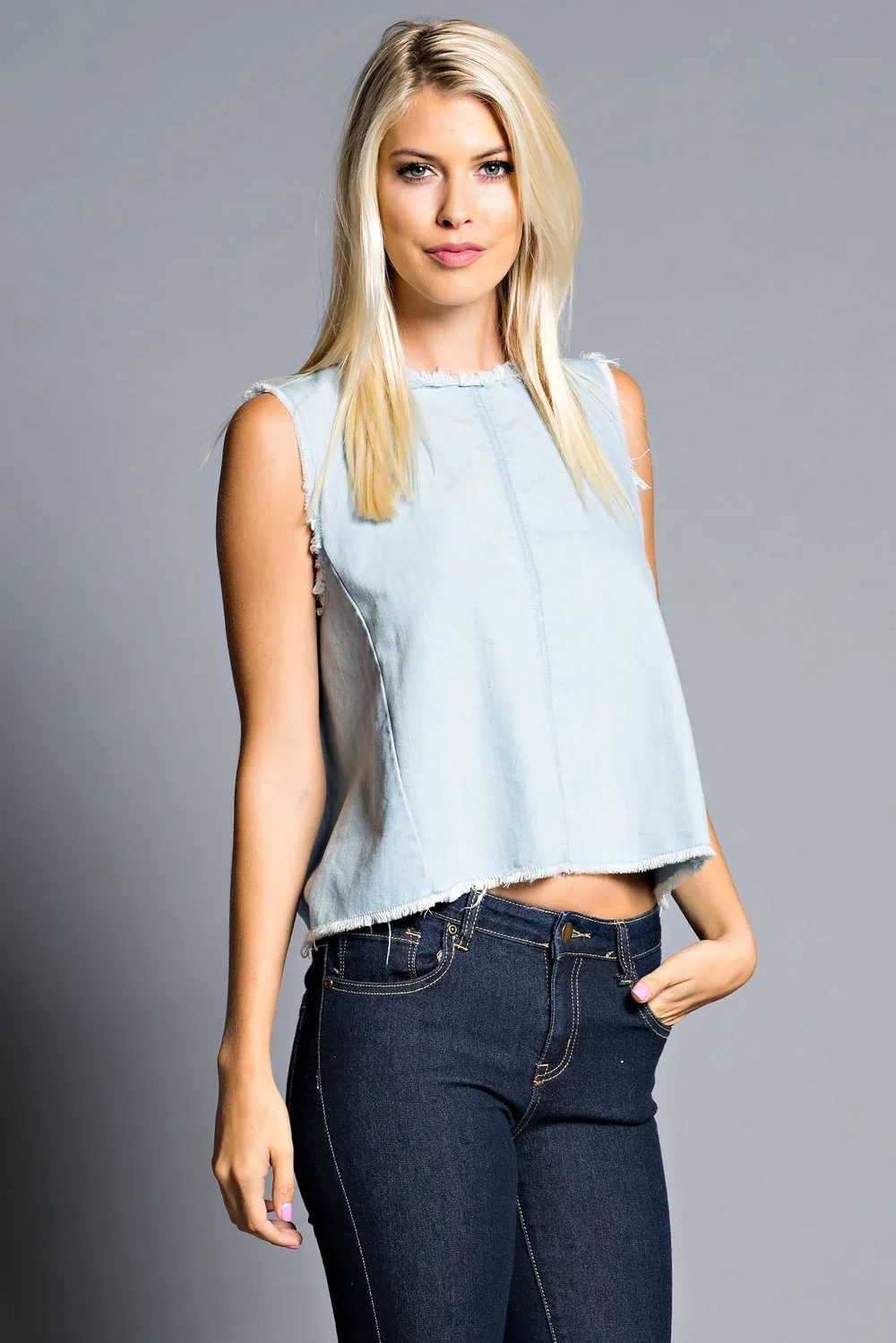
4. Performance Stretch Outdoor Plaid Long Sleeve Shirt
Designed for active lifestyles, incorporating mechanical 4-way stretch, quick-dry moisture-wicking technology, and reinforced flat-lock safety stitching.
- Fabric Composition: 95% Technical Cotton / 5% Elastane
- Fabric Weight: 200 – 220 GSM
- Functional Treatments: UPF 50+ Sun Protection, Moisture-Wicking
- Button Details: Custom Engraved Shatterproof Melamine Buttons
- Target Market: Active Outdoor, Travelwear, Performance Apparel
Technical Comparison Matrix: Fabric Selections for Plaid Shirt Sourcing
Selecting the optimal fabric matrix directly impacts consumer satisfaction, garment drape, shrinkage rates, and margin optimization. The table below outlines core manufacturing benchmarks used across Urban Nation's facilities:
| Fabric Category | Yarn Count | GSM Range | Weave Type | Dye Method | Shrinkage Rate | Best Suited Wholesale Application |
|---|---|---|---|---|---|---|
| Heavy Flannel | 16s / 20s Single | 280 - 340 GSM | 2/2 Twill | 100% Yarn-Dyed | < 2.5% (Pre-Shrunk) | Fall/Winter Heavy Outerwear Shackets |
| Standard Flannel | 24s / 32s Double | 200 - 240 GSM | 2/1 Twill | 100% Yarn-Dyed | < 3.0% | Classic Casual Plaid Long Sleeve Shirts |
| Lightweight Poplin | 40s / 40s Compact | 140 - 170 GSM | Plain Weave | Yarn-Dyed / Reactive | < 2.0% | Spring Dress Plaids & Summer Layering |
| Eco-Poly Blend | 30s / 30s Blended | 180 - 210 GSM | Fine Twill | Sublimated / Yarn-Dyed | < 1.5% | Wrinkle-Resistant Corporate Workwear |
| Garment-Dye Washed | 20s Combed Cotton | 230 - 260 GSM | Canvas / Twill | Piece / Specialty Wash | < 3.5% | Vintage Distressed Streetwear Collections |
Future Procurement Trends: Where Wholesale Plaid Manufacturing is Headed (2026–2030)
To maintain market authority and capture evolving consumer preferences, brands must align their supply chain practices with upcoming shifts in global textile sourcing. Below are the key trends driving wholesale long sleeve plaid shirt production over the next decade:
1. Transition to Eco-Conscious Fiber Blends & Waterless Dyeing
Regulatory frameworks in North America and the European Union are rapidly penalizing high-water-consumption textile processes. Forward-thinking wholesale buyers are pivoting toward GOTS-certified (Global Organic Textile Standard) organic cotton, recycled polyester (rPET derived from post-consumer plastics), and Tencel™ Modal blends. Furthermore, advanced dope-dyeing and cold-pad batch dyeing techniques are replacing traditional immersion dye vats, reducing water consumption by up to 60% while increasing color retention across repeated washing cycles.
2. Micro-Batch Flex Production & On-Demand Scaling
The traditional model of placing massive 50,000-piece orders 9 months in advance carries heavy inventory risk in volatile retail markets. Urban Nation Apparel pioneer's a dual-track flexible production matrix: brands can pilot new plaid colorways with low minimum order quantities (MOQs from 300 to 500 units per colorway) utilizing stock yarn-dyed greige fabrics, then seamlessly scale up to 100,000-unit runs across our overseas facilities once market demand is validated.
3. Nearshoring for Tariff Optimization and Lead Time Reduction
Geopolitical supply chain disruptions have underscored the importance of geographical diversification. While Asian manufacturing hubs (China, Vietnam, Bangladesh) remain unbeatable for massive scale and low unit costs, nearshoring production to Mexico under the USMCA (United States-Mexico-Canada Agreement) enables duty-free import into North America with transit times under 5 days. Urban Nation's dual domestic and offshore infrastructure allows clients to dynamically balance speed-to-market against landed cost per unit.
4. Functional Smart Treatments and All-Weather Adaptability
Modern consumers demand classic aesthetic appeal combined with activewear utility. Wholesale buyers are increasingly requesting functional fabric treatments, such as non-iron resin finishes, PFC-free durable water repellent (DWR) coatings for outdoor flannels, and silver-ion antimicrobial washes that prevent odor retention in dense cotton weaves.
Why Global Brands Choose Urban Nation Apparel as Their Wholesale Manufacturing Partner
Urban Nation Apparel stands out as a vertically integrated apparel manufacturing powerhouse. Headquartered in Los Angeles with offshore factories spanning China, Bangladesh, Vietnam, and Mexico, we provide complete end-to-end service from initial concept design to final global shipping.
Los Angeles Design & Management
Our headquarters in Los Angeles handles tech pack engineering, master pattern drafting, sample prototyping, and localized client communication—ensuring zero language or timezone barriers during critical development phases.
Multi-Country Production Matrix
With fully owned and audited production plants in China, Vietnam, Bangladesh, and Mexico, we optimize tariff structures, raw material sourcing, and labor costs tailored specifically to your target margin requirements.
Master Pattern Alignment Precision
Plaid shirt manufacturing requires rigorous laser cutting and manual pattern matching. We guarantee aligned grid patterns across front plackets, chest pockets, yokes, and shoulder seams within a strict 1.5mm tolerance.
Specialty Garment Washing Facilities
Our wet-processing facilities specialize in specialty garment washes—from stone washing, acid washes, and bleach distress to ozone fading and silicone softening—giving your plaid collection a distinctive custom feel.
AQL 2.5 Quality Control Rigor
Every wholesale production run undergoes 100% inline inspections and strict AQL (Acceptable Quality Limit) 2.5 final audits covering seam strength, dimensional stability, yarn defects, and button pull-test security.
Complete OEM / Private Label Solutions
We provide comprehensive private label customization: custom woven neck labels, laser-etched buttons, TPU heat-transfer chest logos, custom hangtags, eco-friendly polybags, and retail-ready barcoding.
Frequently Asked Questions (FAQ) for Plaid Long Sleeve Shirt Wholesale Procurement
Below are authoritative answers to the most common queries submitted by apparel buyers, supply chain executives, and retail sourcing specialists when evaluating wholesale plaid shirt manufacturing:
Q1: What is the crucial difference between yarn-dyed plaid and printed plaid shirts in wholesale manufacturing?
Answer: In yarn-dyed plaid manufacturing, individual yarns are dyed in specific pantone colors prior to being woven on the loom. This produces rich, deep color saturation on both the face and back of the fabric, superior wash durability, and authentic texture. In contrast, printed plaid involves applying surface ink onto pre-woven greige fabric; it often results in a white/faded reverse side, stiffer hand-feel, and potential cracking or fading over time. High-end wholesale brands exclusively utilize yarn-dyed flannels and twills.
Q2: What is the standard Minimum Order Quantity (MOQ) for custom wholesale plaid long sleeve shirts?
Answer: Urban Nation Apparel offers flexible MOQ tiers depending on raw material sourcing. For custom yarn-dyed fabrics woven from scratch (custom tartan patterns and pantone matches), our standard MOQ is 1,000 units per style / 300 units per colorway. However, for styles utilizing our in-stock greige yarn-dyed fabric inventory or specialized garment-dye programs, MOQs start as low as 300 units total, allowing emerging brands to launch without excessive capital tie-up.
Q3: How does seam pattern-matching affect production yield and wholesale unit cost?
Answer: Precision plaid matching across plackets, pockets, and armholes increases fabric consumption by approximately 12% to 18% compared to non-matched garments, due to strategic pattern piece placement during marker layout. Additionally, manual matching requires skilled hand-cutting or specialized automated vision-laser cutting. While this adds a slight premium to the base FOB cost, it elevates the garment to luxury market standards and prevents consumer returns caused by mismatched grids.
Q4: What fabric GSM is recommended for seasonal plaid shirt collections?
Answer: Recommended GSM varies significantly by season and style:
• Spring/Summer Casual Plaids: 140 – 170 GSM (Lightweight poplin or cotton-linen blends)
• Transitional & All-Year Basics: 180 – 220 GSM (Standard twill or unbrushed cotton)
• Fall/Winter Heavy Flannels & Shackets: 280 – 350 GSM (Heavy double-brushed cotton twill)
Q5: How can U.S. apparel brands optimize tariffs when importing wholesale plaid shirts?
Answer: Tariff optimization is achieved through our multi-region manufacturing network. Orders manufactured in our Mexico facilities qualify under USMCA guidelines for duty-free entry into the USA and Canada provided rules-of-origin yarn criteria are met. Alternatively, for large-volume enterprise orders where labor cost efficiency is paramount, our Bangladesh and Vietnam facilities offer optimized pricing structures under preferential trade agreements for global distribution to Europe, Australia, and Asia.
Q6: What custom washing and finishing techniques can be applied to wholesale plaid shirts?
Answer: Urban Nation provides an extensive array of specialty garment-wash options, including:
• Enzyme Stonewash: Softens dense flannel fibers while imparting subtle vintage seam contrast.
• Ozone & Bio-Bleaching: Eco-friendly lightening without toxic chlorine residue.
• Acid Wash & Pigment Spray: Creates edgy 90s grunge and distressed aesthetic variations.
• Silicone & Peach-Fuzz Finish: Maximizes surface softness for ultra-cozy retail hand-feel.
Q7: What quality assurance protocols (AQL standards) are applied during production?
Answer: All production runs follow strict ISO 9001 and AQL 2.5 Major / 4.0 Minor inspection guidelines. Inspection parameters include dimensional stability after commercial washing, color fastness to crocking and washing (Grade 4+), seam burst strength, button attachment pull tests (>70N force), and pattern symmetry check across all size ranges.
Q8: What is the typical lead time from initial tech pack submission to bulk delivery?
Answer: Prototyping and lab-dip color approvals typically take 7 to 12 working days. Once sales samples are approved, bulk production requires 30 to 45 days for fabric weaving/dyeing and cut-and-sew assembly. Air freight shipping takes 3 to 7 days, while ocean freight takes 18 to 28 days depending on the final destination port.