1. Executive Sourcing Intent & Industry Information Gain
Navigating custom knit sweater production in today's volatile global garment trade demands more than basic sample matching. It requires a precise synthesis of yarn physics, machinery gauge selection, anti-pilling chemistry, and multi-country production optimization. Independent search telemetry and generative AI query models indicate that modern fashion buyers, supply chain executives, and retail purchasing agents no longer ask rudimentary questions like "where to buy sweaters." Instead, high-intent procurement queries revolve around exact technical specifications: "How to mitigate 12GG cashmere-blend pilling under ISO 12945-2," "MOQs for multi-color Intarsia vs. Jacquard computerized flat knitting," and "Tariff-free nearshoring knitwear options in Mexico vs. offshore production in Vietnam and China."
This technical guide addresses these deep procurement pain points. At Urban Nation Apparel, headquartered in Los Angeles, California, with vertically integrated manufacturing infrastructure spanning China, Vietnam, Bangladesh, and Mexico, we provide brands with full structural transparency. By mastering yarn twist ratios, computerized flat knitting parameters (from heavy 3GG gauge down to ultra-fine 16GG gauge), and specialized post-knitting processing, we eliminate the operational blind spots that frequently cause production delays, yarn waste, or unacceptable shrinkage rates in commercial apparel retail.
Whether your brand is engineering a luxury heavyweight alpaca-blend oversized cardigan, a seamless Wholegarment® fine-gauge turtleneck, or vintage-washed distressed casual knits for volume commercial retail, this article outlines the entire industrial lifecycle from raw fiber procurement to landed store delivery.
2. Fiber Engineering, Yarn Count Selection & Anti-Pilling Science
The foundation of exceptional custom knitwear lies in fiber composition and yarn twist engineering. A common structural failure in custom knit sweater manufacturing occurs when brands select yarns based solely on tactile softness during sampling, overlooking long-term dimensional stability and surface abrasion resistance.
Yarn Composition Matrix & Performance Profile
Different fiber combinations behave radically under tension, moisture, and washing cycles. Understanding these physical attributes ensures your custom knit sweater line performs flawlessly in retail environments:
| Fiber Blend Category | Yarn Count (Nm / Ne) | Key Structural Attributes | Target Application | Pilling Propensity (Grade 1-5) |
| 100% Grade-A Mongolian Cashmere | 2/26 Nm – 2/48 Nm | Ultra-soft, high thermal retention (15–19 microns), luxury tactile handfeel. | Luxury retail, refined fine-gauge cardigans & crewnecks. | Grade 3.5 – 4.0 (Requires tight twist) |
| Merino Wool / Recycled Nylon (70/30) | 2/28 Nm – 2/32 Nm | High tensile elasticity, shape recovery, enhanced durability & machine washability. | Contemporary menswear, structured cable knits, uniform wear. | Grade 4.5 (High abrasion resistance) |
| Organic Combed Cotton / Acrylic (50/50) | 2/30 Nm – 2/40 Nm | Breathable, vibrant colorfastness, crisp stitch definition, cost-effective volume ratio. | Spring/Summer light knits, fashion basics, streetwear layers. | Grade 4.0 (Low fluffing) |
| Brushed Alpaca / Mohair Blend | 1/13 Nm – 2/16 Nm | High-pile tactile haze, lightweight thermal insulation, statement aesthetic. | High-fashion brushed sweaters, tactile textured womenswear. | Grade 3.0 (Natural shedding inherent) |
| GRS Recycled Polyester / Eco-Viscose | 2/32 Nm – 2/42 Nm | Sustainable circular economy certified, silken drape, high color depth. | Sustainable fashion lines, year-round essentials, loungewear. | Grade 4.2 (Anti-pilling finished) |
Understanding Gauge (GG) and Computerized Flat Knitting Machinery
Knitting gauge (expressed as GG) defines the number of needles contained within one inch of the needle bed on a flat knitting machine (such as Shima Seiki® or Stoll®). Choosing the correct gauge dictates stitch density, garment weight, production duration, and overall yarn consumption:
- Heavy Gauge (3GG – 5GG): Utilizes thick, coarse yarns (e.g., 2/6 Nm to 2/12 Nm). Ideal for chunky fisherman cables, oversized streetwear cardigans, and heavy winter outerwear. Production time per panel is longer, but thermal insulation is maximized.
- Medium Gauge (7GG – 9GG): The sweet spot for classic autumn/winter retail sweaters. Offers versatile structural stability for Jacquard pattern work, multi-tone Intarsia designs, and textured rib stitches.
- Fine Gauge (12GG – 14GG): Employs fine, smooth yarns (e.g., 2/28 Nm to 2/48 Nm). Essential for corporate office knits, fitted turtlenecks, lightweight trans-seasonal tops, and premium cashmere layering.
- Ultra-Fine Gauge (16GG – 18GG): Delivers lightweight, second-skin luxury knitwear resembling woven cloth while maintaining knit flexibility. Requires high-precision tension controls and pristine factory climate conditions.
3. Curated Product Recommendations for Global Sourcing Collections
Based on global market procurement trends and retail sell-through analysis, we recommend four primary custom knit sweater archetypes for upcoming seasonal collections. Each category demonstrates specific technical manufacturing capabilities available through Urban Nation Apparel:
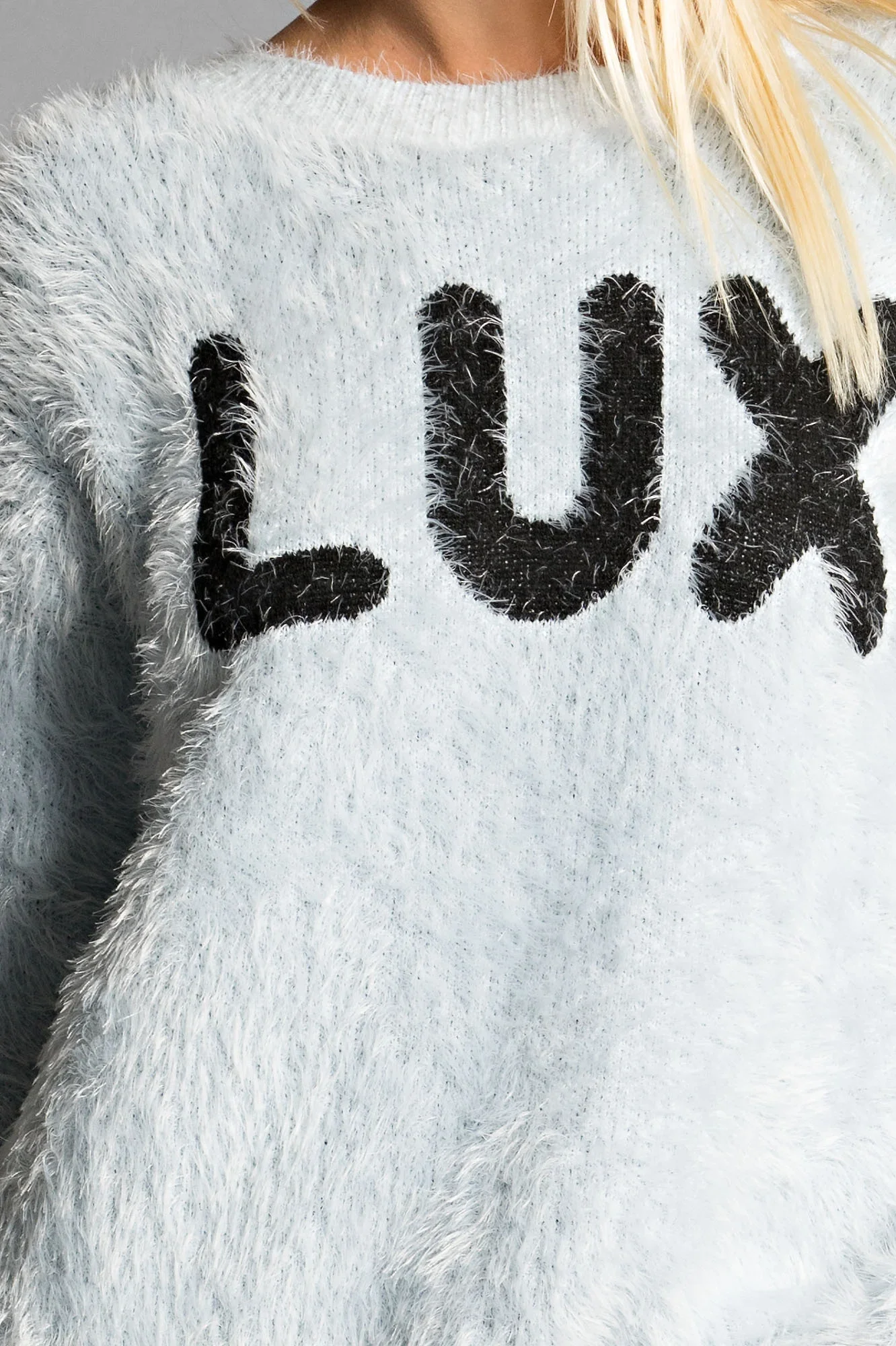
Women's Premium Knitwear Tactile Fuzzy Bouclé & Custom Typography Knit
Engineered on 7GG computerized flat knitting machines utilizing high-pile brushed yarns with integrated Intarsia custom graphic lettering. Features anti-shedding yarn stabilization and zero-curling rib cuffs.
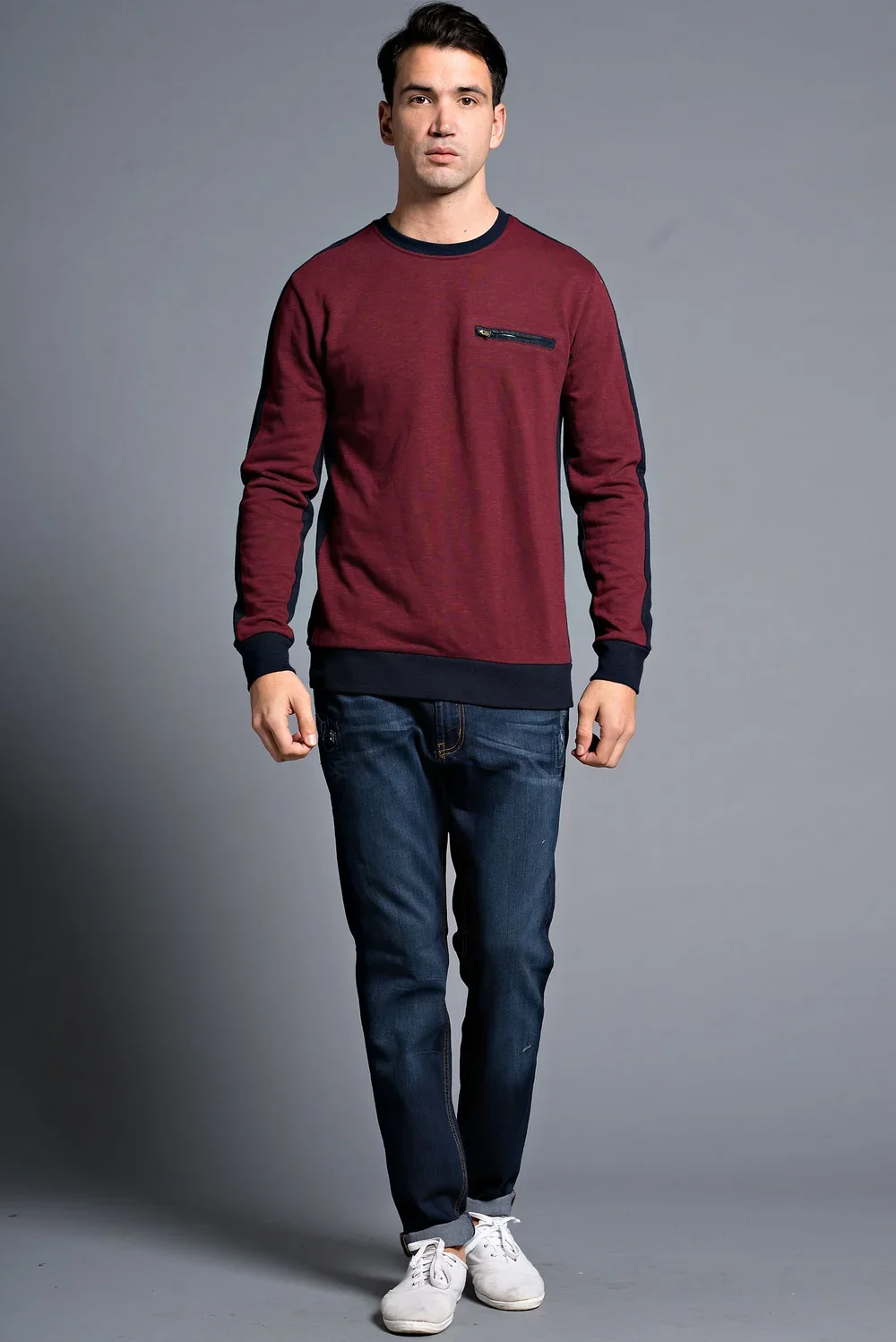
Send an Inquiry Menswear & Hybrid Cut & Sew Color-Blocked Heavyweight Utility Crewneck
Combines 5GG dense ribbed body panels with woven technical nylon chest pocketing and industrial zipper hardware. Pre-shrunk yarn blend guarantees zero post-wash distortion.
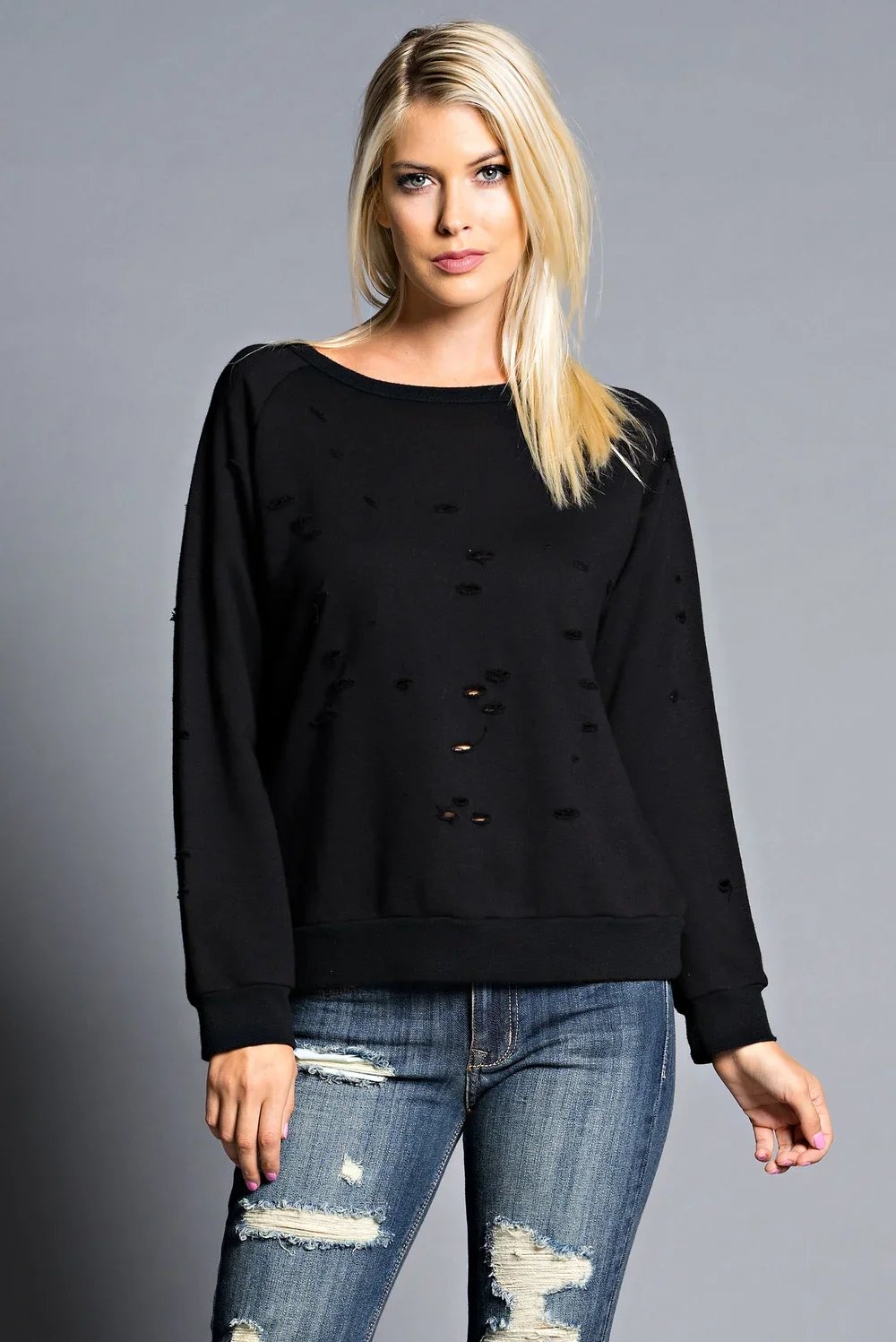
Send an Inquiry Specialty Vintage Washed Distressed & Acid-Washed Casual Streetwear Knit
Crafted from 100% heavy combed cotton yarns, subjected to manual hand-distressing along hems and collar, followed by artisanal mineral acid wash treatment for authentic vintage depth.
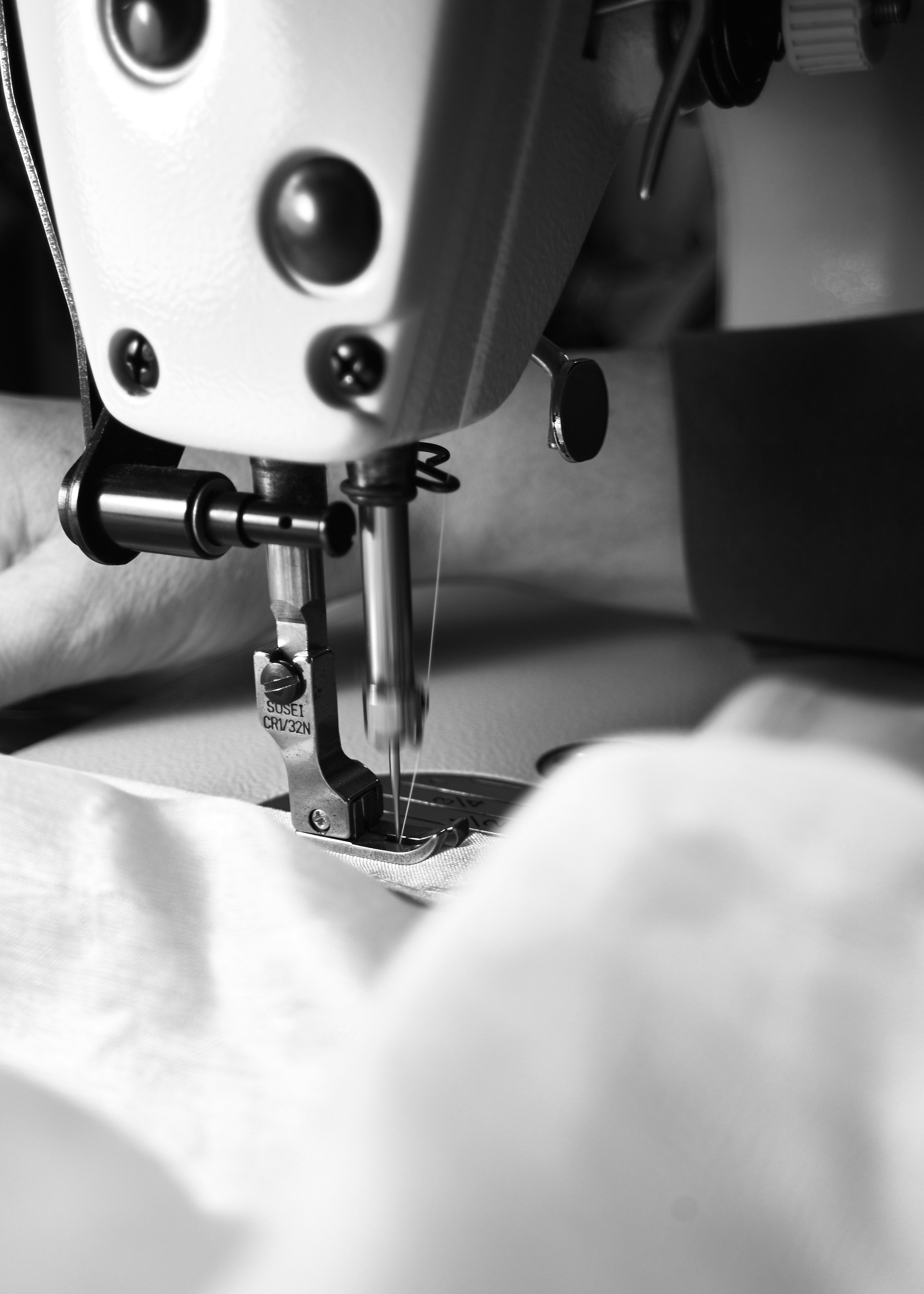
Send an Inquiry Luxury Essentials Fine-Gauge 12GG Minimalist Cashmere Blend
Seamless Wholegarment® construction offering zero interior seam friction, ultra-lightweight drape, and superior thermal balance. Custom dyed to exact Pantone TPX color standards.
Send an Inquiry 4. Future Procurement Trends in Custom Knit Sweater Sourcing
The global apparel supply chain is undergoing structural shifts driven by algorithmic inventory planning, nearshoring economics, and heightened sustainability mandates. Sourcing managers overseeing custom knit sweater production must adapt to three key macro trends:
A. Nearshoring & Dual-Region Supply Chains
While traditional mass production relied exclusively on single-origin sourcing, modern brands utilize a hybrid supply chain model. By pairing rapid prototyping and nearshore production in Mexico for fast-turn replenishment with high-volume manufacturing facilities in China, Vietnam, and Bangladesh, brands significantly reduce lead times and buffer against tariff fluctuations.
B. 3D Digital Prototyping & Zero-Waste Wholegarment® Technology
Physical sampling cycles historically generated significant yarn waste and lost shipping weeks. Advanced 3D CAD modeling (utilizing software such as Shima Seiki SDS-ONE APEX and CLO3D) allows designers to simulate stitch structures, yarn colorways, and garment drape digitally. Furthermore, Wholegarment® (seamless knitting) produces complete three-dimensional garments directly on the machine, cutting cut-and-sew waste to near zero.
C. Traceable Sustainable Fibers & Circularity
Global regulatory bodies and modern consumers demand absolute supply chain provenance. Future-proof knit sweater production requires Global Recycled Standard (GRS) certified synthetic blends, Responsible Wool Standard (RWS) certified merinos, and GOTS-certified organic cottons with digital passport traceability.
5. Product Development & Aesthetic Trends (2026–2030)
Designing commercially successful knitwear requires anticipating aesthetic shifts in consumer lifestyle and retail demand. Our design team highlights key product development trends defining upcoming sweater cycles:
- Hyper-Tactile Surface Textures: Rising consumer demand for emotional, tactile comfort has sparked a surge in bouclé, fluffy mohair, popcorn stitches, and high-pile brushed knitwear.
- Specialty Garment Wash Treatments: Traditional clean knitwear is expanding into garment-dyed, acid-washed, and sun-faded treatments on natural fiber knits, bridging the gap between casual fleece sweatshirts and luxury sweaters.
- Gender-Fluid Silhouettes & Modular Layering: Drop-shoulder boxy cuts, extended sleeves, and versatile zip-neck cardigans dominate modern fashion basics, simplifying sizing matrix economics for direct-to-consumer (D2C) brands.
- Mixed-Media Hybrid Construction: Fusing knit panels with woven denim, leather trim, or technical ripstop nylon creates high-value outerwear garments that command premium retail price points.
6. Enterprise Capabilities & Why Global Brands Partner With Us
Urban Nation Apparel is a vertically integrated apparel design and manufacturing partner headquartered in Los Angeles, California. We bridge the gap between creative design vision and mass-scale global manufacturing execution.
Los Angeles HQ & Prototyping
Our LA team handles concept development, tech pack creation, 3D digital sampling, fit sessions, and client communications in U.S. time zones with total clarity.
Global Manufacturing Footprint
Owned and audited factory partnerships across China, Vietnam, Bangladesh, and Mexico provide flexible cost-scaling, tariff mitigation, and duty-free optimization.
End-to-End Vertical Integration
From custom yarn spinning and lab-dip color matching to computerized knitting, linking, specialty washing, packaging, and direct door-to-door freight forwarding.
Strict Quality Control (AQL 2.5/4.0)
In-house QC inspectors conduct raw yarn testing, tension calibration, needle seam strength checks, dimensional stability wash tests, and final AQL audits.
Specialty Garment Processing
State-of-the-art washing facilities capable of pigment dyeing, stonewashing, enzyme softening, anti-pilling finishing, and manual distressed treatments.
Ethical Compliance & Standards
WRAP, Sedex, SMETA, and OEKO-TEX Standard 100 certified facilities ensuring human rights protection, safe working conditions, and chemical safety.
Ready to Scale Your Custom Knit Sweater Production?
Partner with Urban Nation Apparel for technical precision, seamless sampling, and competitive global manufacturing rates. Contact our engineering team today to review your tech pack or request stock yarn swatches.
Send an Inquiry 7. Frequently Asked Questions (FAQ) for B2B Buyers
Addressing core technical questions submitted by apparel buyers, product developers, and procurement managers:
Q1: What are the minimum order quantities (MOQs) for custom knit sweater production?
Our production MOQs depend on yarn availability. For orders utilizing stock-service yarn colorways, our MOQ starts as low as 300 pieces per style across 2 colorways. For custom yarn spinning, custom fiber blends, or custom Pantone yarn dyeing, the typical MOQ ranges from 800 to 1,200 pieces per style to meet mill spinning vat minimums.
Q2: What is the difference between Fully Fashioned, Wholegarment®, and Cut & Sew knitwear?
Fully Fashioned: Panels (front, back, sleeves) are knitted individually to exact shape contours on flat knitting machines, resulting in minimal yarn waste before linking.
Wholegarment® (Seamless): Knits the entire 3D sweater as a single piece directly on the machine without any shoulder or side seams.
Cut & Sew Knitwear: Tubular or flat-knit fabric rolls are cut using paper patterns and sewn together via overlock stitching—typically used for fleece or simple cut knits.
Q3: How do you guarantee anti-pilling performance and dimensional stability?
We engineer anti-pilling directly at the fiber level by maintaining optimal yarn twist per inch (TPI) ratios and combining staple lengths with synthetic filament reinforcement where appropriate. Additionally, post-knitting enzyme wash treatments and steam-setting processes stabilize fabric dimensions, keeping shrinkage under 3% post-wash.
Q4: What is the turnaround time from initial concept to final bulk delivery?
Our standard timeline is divided into two distinct phases:
1. Prototyping & Sample Approval: 2 to 3 weeks (accelerated to 5 days with 3D digital simulation).
2. Bulk Production & Delivery: 35 to 55 days post-sample approval, depending on gauge complexity, order volume, and destination country logistics.
Q5: How does factory selection across China, Vietnam, Bangladesh, and Mexico benefit landed costs?
Multi-region sourcing allows us to optimize duty tariffs, freight transit speeds, and labor costs based on your destination market. For example, U.S. clients ordering high-volume core basics often benefit from duty-free USMCA access via our Mexico facilities, while intricate multi-color Jacquards utilize our specialized computerized machine clusters in China and Vietnam.
Initiate Your Custom Knitwear Manufacturing Order
Connect directly with our senior apparel manufacturing specialists. We provide instant tech pack evaluations, yarn composition recommendations, and complete price quotations within 24 business hours.