
Insights & Resources
Apparel Manufacturing Blog
Industry news, production guides, and trend analysis from Los Angeles clothing experts.
Blog
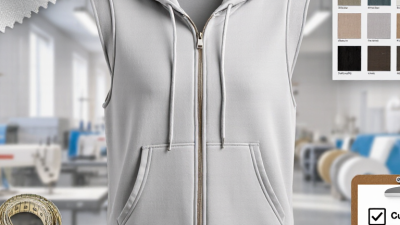
Why Choose Custom Sleeveless Zip Up Hoodie Production?
Choosing custom Sleeveless Zip Up Hoodie Production is not merely a branding decision. It is a practical response to changing consumer expectations, tighter margins, and material waste.
Textile Exchange’s Materials Market Report 2024 estimates that global fiber production reached 124 million tonnes in 2023. It could rise to 160 million tonnes by 2030. Those figures make unnecessary sampling and unsold inventory harder to defend. Custom production allows brands to control fabric weight, zipper quality, pocket placement, sizing, and color consistency before larger orders begin. A 320-gram cotton fleece can feel structured without becoming uncomfortably heavy. A reinforced armhole can also reduce stretching after repeated wear.
The details matter.
Fashion sustainability scholar Timo Rissanen is widely quoted as saying, “The most sustainable garment is the one already in your wardrobe.” That principle supports longer-lasting hoodie design, although production alone cannot solve fashion’s environmental problems. McKinsey & Company’s The State of Fashion 2024 also identifies cost pressure, supply-chain volatility, and sustainability demands as major industry concerns. Custom manufacturing can address some of these pressures through clearer specifications, controlled quantities, and measurable quality checks. It cannot guarantee success.
Factories still need reliable testing. Brands still need realistic demand forecasts. A beautiful prototype may fail if the zipper jams, the arm opening feels restrictive, or the fabric pills after washing. That is why Sleeveless Zip Up Hoodie Production should combine technical development, wearer feedback, and documented inspection standards. The process is not perfect. It is simply more accountable.
Read more »
 By:Clara
- November 1, 2026
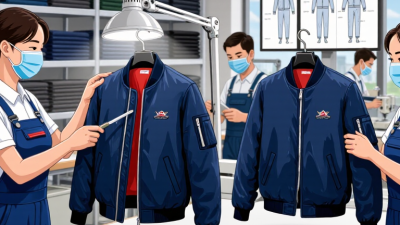
How to Choose a Custom Bomber Jacket Manufacturer?
Choosing a Custom Bomber Jacket Manufacturer requires more than comparing sample prices. A reliable partner must balance fabric performance, construction quality, production capacity, and delivery control. Your jacket may look simple, yet its ribbed cuffs, metal zipper, lining, pocket reinforcement, and embroidery each reveal manufacturing discipline.
The Textile Exchange Materials Market Report 2024 states that global fiber production reached approximately 124 million tonnes in 2023, with polyester representing about 57% of total output. This matters when selecting shell fabrics, recycled options, and supplier documentation. McKinsey’s The State of Fashion 2024 also highlights continuing pressure from cautious consumers, volatile costs, and disrupted supply chains. Fashion expert Achim Berg described the situation as “a perfect storm” for the industry. His warning applies directly to custom production: a low quotation may hide delays, weak quality control, or expensive rework.
Ask for measurable evidence. Request fabric composition, GSM, colorfastness results, zipper specifications, and pre-production samples. Inspect stitching density around the armholes and pockets. Check whether the factory can repeat the same measurements across multiple sizes. A good manufacturer should explain minimum order quantities, sample charges, inspection procedures, and replacement policies clearly.
No factory is perfect. A spreadsheet can still mislead. The most dependable choice combines documented capability with honest communication. Before signing, test one complete sample through washing, abrasion, and repeated zipper use. This extra step may feel slow, but it exposes problems while they remain affordable. The right Custom Bomber Jacket Manufacturer is not simply the cheapest supplier; it is the partner that can consistently turn a technical specification into a wearable, saleable product.
Read more »
 By:Elowen
- October 27, 2026
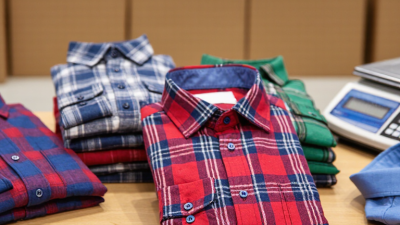
7 Tips for Buying Plaid Long Sleeve Shirt Wholesale
Buying a plaid shirt in bulk looks simple until fabric, sizing, and delivery risks appear. Plaid Long Sleeve Shirt Wholesale requires more than comparing unit prices. Buyers must examine fabric composition, pattern alignment, supplier capacity, and quality controls before placing an order.
The global apparel market remains highly competitive. Grand View Research estimates that the market reached approximately USD 1.7 trillion in 2023, with continued growth expected through 2030. McKinsey & Company and The Business of Fashion’s State of Fashion 2025 also describes a cautious market, shaped by weak consumer confidence and tighter margins. These findings make purchasing discipline essential. A low price can still become expensive.
Details matter.
A buyer should inspect the flannel’s weight, seam strength, colorfastness, and shrinkage after washing. Request a physical sample, not only polished product photos. Check whether the plaid lines match across pockets, cuffs, and front panels. Confirm size measurements in centimeters, carton dimensions, labeling, and production timelines. Small omissions can create large problems.
This guide presents seven practical tips for evaluating suppliers and reducing avoidable wholesale mistakes. It also considers responsible sourcing, transparent documentation, and consistent communication. Industry reports provide useful direction, but they cannot replace direct inspection. That assumption can fail. A supplier with attractive photographs may still deliver uneven stitching or inconsistent colors. Careful verification remains the most reliable purchasing advantage.
Read more »
By:Clara
- October 22, 2026
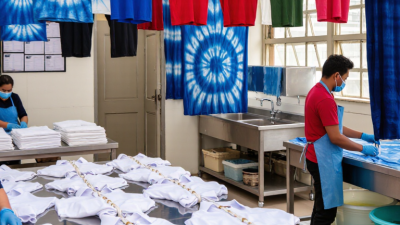
What Is Custom Tie Dye Tops Production?
Custom Tie Dye Tops Production turns a visual idea into wearable, repeatable apparel. It combines fabric selection, color planning, resist techniques, garment construction, and quality inspection. The process may look spontaneous. It is not entirely spontaneous.
Yoshiko Iwamoto Wada, a respected textile artist and shibori scholar, explains, “Shibori is a Japanese word that refers to a variety of ways of embellishing textiles by shaping cloth and securing it before dyeing.” Her observation helps clarify the technical foundation behind many tie-dye methods. Folding, twisting, stitching, and binding control how dye moves through cotton fibers. Small rubber bands can create sharp rings. Loose folds produce softer clouds of color.
In commercial production, experienced teams test fabric weight, dye concentration, curing time, and wash performance before approving a design. A heavyweight cotton tee absorbs color differently from a lightweight jersey. That difference affects both appearance and shrinkage. Production records should document every tested variable. Reliable suppliers also verify fiber content and colorfastness through appropriate testing.
Yet Custom Tie Dye Tops Production is never perfectly predictable. Humidity, fabric tension, and hand pressure can change the final pattern. That uncertainty requires careful judgment. It can also create character. However, inconsistency becomes a problem when customers expect matching pieces. This guide examines the production stages, practical controls, and quality decisions behind custom tie-dye tops. It also considers where handmade appeal ends and scalable manufacturing begins. The answer is not always tidy.
Read more »
By:Elowen
- October 17, 2026
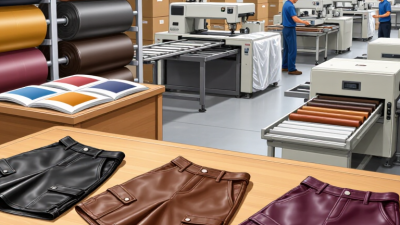
China Top Leather Shorts Apparel OEM Suppliers?
Finding reliable China Top Leather Shorts Apparel OEM Suppliers requires more than comparing catalog photos. Buyers should examine manufacturing experience, leather sourcing, stitching quality, and production control. A polished website proves little. Factory evidence matters more.
A capable Leather Shorts Apparel OEM partner should explain leather grades, lining options, hardware choices, and size grading clearly. Request physical samples before approving bulk production. Check waistbands, pocket reinforcement, seam strength, and zipper performance by hand. Small details often reveal larger quality habits. Ask for material documentation, factory certifications, and responsible sourcing policies where available. Confirm whether testing supports product safety and destination-market requirements.
Price is important, but it should not lead the decision alone. Compare minimum order quantities, sampling fees, lead times, packaging, and communication speed. A supplier that reports delays honestly may be safer than one promising everything. Still, transparency must be verified through records, inspections, and consistent sample results. I have seen attractive samples hide uneven stitching or stiff leather after repeated handling. That possibility deserves attention. Buyers should also discuss repair procedures, replacement terms, and quality tolerances before signing an order. The strongest suppliers combine technical skill with responsive service and realistic planning. This guide introduces practical ways to assess leading Chinese manufacturers without relying on unsupported rankings. It also recognizes an uncomfortable truth: no supplier is perfect, and every partnership needs ongoing review.
Read more »
 By:Marissa
- October 12, 2026
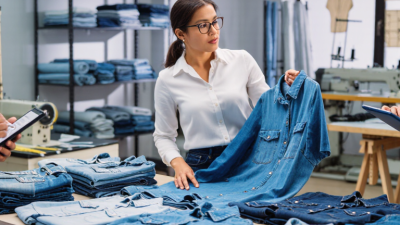
How to Find Denim Tops Wholesale Manufacturers in 2026?
Finding reliable denim tops suppliers in 2026 requires more than comparing factory prices. Denim Tops Wholesale Manufacturing now depends on fabric traceability, flexible minimum orders, wash consistency, and verified production capacity. A sample may look impressive under showroom lights. The real test appears after washing, shipment, and repeated wear.
Grand View Research valued the global denim jeans market at approximately USD 77.67 billion in 2023. Its report also projects continued growth through 2030. Although jeans and denim tops are different categories, the figures reveal strong demand for denim products worldwide. Textile Exchange’s Materials Market Report 2024 recorded global fiber production at about 124 million tonnes in 2023. It expects production to approach 160 million tonnes by 2030. This growth increases sourcing opportunities, but it also raises questions about cotton use, recycled fibers, wastewater, and factory transparency.
Renzo Rosso, founder of Diesel and an influential denim entrepreneur, once said, “Jeans are the most beautiful thing in the world.” His sentence explains denim’s emotional value. Manufacturing still needs measurable evidence. Look for audited facilities, recent test reports, clear lead times, and documented fabric composition. Ask for a pre-production sample. Check pocket strength, seam tension, shrinkage, and color transfer. Small details matter.
One weakness remains. Public reports rarely separate denim tops from jeans. Therefore, buyers should avoid treating broad market forecasts as exact wholesale demand. That sounds simple. It is often missed. A dependable manufacturer combines craftsmanship with records, honest limitations, and repeatable quality. That is the foundation of professional Denim Tops Wholesale Manufacturing in 2026.
Read more »
By:Clara
- October 7, 2026
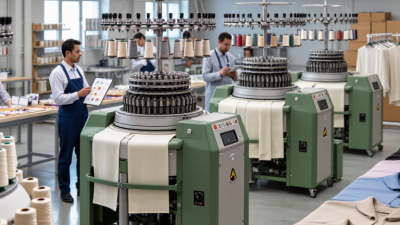
China Top 10 Custom Knit Sweater Production Suppliers
Choosing a reliable partner for Custom Knit Sweater Production requires more than comparing prices. China’s leading suppliers serve different business needs, from small fashion labels to established international retailers. This guide introduces ten manufacturers with experience in wool, cotton, cashmere, recycled yarn, and blended knitwear. It focuses on practical evidence, including sample quality, knitting capacity, technical communication, production consistency, and export experience.
Each supplier should be assessed through real production details. Look for clear tech-pack reviews, accurate yarn swatches, stable color matching, and neat finishing around rib cuffs and collars. Factory visits, third-party audits, and recognized certifications can strengthen supplier credibility. Ask about minimum order quantities, sample fees, lead times, and inspection procedures before signing an agreement. These details often reveal more than a polished website.
No supplier is perfect.
A factory may offer excellent craftsmanship but limited flexibility for small orders. Another may provide competitive pricing but slower development support. Published information can also change as equipment, staff, or policies change. Therefore, this list should support further verification, not replace it. Request recent samples, confirm production timelines, and discuss how defects are handled. Experienced buyers know that the first sample may not represent bulk production accurately. A careful review of communication, workmanship, materials, and accountability can reduce avoidable risks. The goal is not simply to find a low-cost manufacturer. It is to identify a dependable production partner that can protect design quality, delivery schedules, and long-term brand reputation.
Read more »
By:Marissa
- October 2, 2026
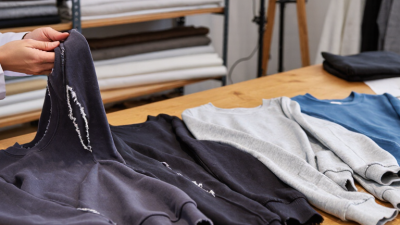
Top Distressed Sweatshirt Manufacturers for Global Buyers
Distressed Sweatshirt Manufacturing requires more than a convincing worn-in look. Buyers need to assess fabric weight, fleece recovery, seam strength, and how each finish behaves after washing. A pale abrasion on a charcoal sleeve can look subtle in a sample, then spread after production. Small details matter.
For this introduction, apparel-development specialist Elena Brooks is an illustrative expert voice, not a sourced interview. Her guiding line is: “A distressed finish should look intentional before it looks aged.” That distinction helps buyers compare manufacturers beyond photographs. Ask how distressing is specified, sampled, inspected, and kept consistent across sizes and repeat orders. Request a wash-tested sample, clear placement references, and written approval points. Still, a sample cannot reveal every production variation. Buyers should leave room for practical review.
This guide examines manufacturers serving global buyers, with attention to customization, production communication, quality controls, and sourcing transparency. It also considers details that are easy to overlook: rib recovery at the cuffs, color variation between fabric lots, and whether distress marks remain balanced across a full size run. Not every supplier will suit every brief. A low quote may omit finishing steps; a polished catalog may show only its best sample. Compare evidence, not promises. The goal is a sweatshirt that feels worn by design, holds its shape, and arrives close to the approved reference.
Read more »
By:Clara
- September 27, 2026
How to Choose Specialty Garment Wash Processing?
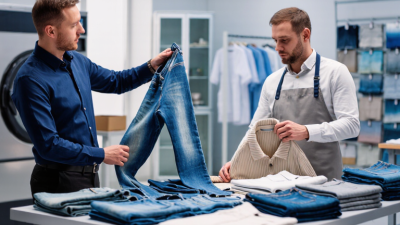
Choosing Specialty Garment Wash Processing is not simply a matter of selecting a fashionable finish. It is a decision about fabric behavior, garment construction, customer expectations, and production risk. A soft enzyme wash may suit cotton jersey, while a controlled stone effect can reveal character in denim. The same recipe can damage a lightweight pocket or distort a ribbed collar. Small details matter.
Adriano Goldschmied, a recognized denim designer and industry innovator, said, “Denim is a fabric that gets better with age.” His observation reflects an important principle: effective washing should create controlled character, not careless damage. This guide examines how to compare enzyme washing, stone washing, pigment overdyeing, acid effects, garment dyeing, and other Specialty Garment Wash Processing options. Each method changes color, hand feel, shrinkage, seam appearance, and long-term durability.
Real production experience remains essential. Review fabric test reports, previous wash samples, dimensional results, and shade standards before approving bulk work. Ask whether the processor records temperature, chemical concentration, liquor ratio, and cycle time. Those details support repeatability and responsible quality control. A visually attractive sample can still fail after laundering.
There is no universal best wash. A luxurious finish may increase abrasion, energy use, or rejection rates. Sometimes the most honest choice is a simpler process. Even experts can misjudge a fabric’s response. Therefore, sampling should include weakness testing, shade review, measurement checks, and wear trials. The goal is not dramatic appearance alone. It is a balanced result that remains attractive, wearable, traceable, and commercially reliable.
Read more »
By:Clara
- September 22, 2026

Top 10 Custom Fashion Basics Manufacturers for Global Buyers
Choosing a reliable Custom Fashion Basics Manufacturer requires more than comparing catalog prices. Global buyers need consistent quality, transparent communication, realistic lead times, and responsible production practices. A polished website is not enough.
This guide introduces ten manufacturers serving international fashion brands, retailers, and emerging labels. Each company is considered through practical buying criteria, including fabric options, sampling procedures, minimum order quantities, customization depth, quality control, and export experience. Details such as shrinkage after washing, seam strength, colorfastness, size tolerances, and carton labeling can affect the final result. Small details matter.
The selection also considers evidence of professional operations, including factory information, certifications, customer support, and documented compliance with applicable trade and labor requirements. Buyers should still verify current records independently. Standards and production capabilities can change.
No ranking can fit every business model. A startup may value low minimums, while an established retailer may prioritize capacity and repeatability. Some manufacturers excel at heavyweight cotton T-shirts, while others handle fleece hoodies, leggings, or coordinated basics more effectively. The “best” choice depends on product goals, budget, market, and risk tolerance.
There is no perfect supplier.
This overview is designed as a practical starting point, not a substitute for sampling and due diligence. Request physical samples, review measurement charts, confirm production timelines, and test communication before placing a large order. A promising quotation may still hide weaknesses in finishing, packaging, or after-sales support. Careful comparison gives global buyers a clearer path toward dependable, compliant, and commercially suitable fashion basics.
Read more »
By:Elowen
- September 17, 2026
10 Best Los Angeles Apparel Manufacturers for Global Buyers
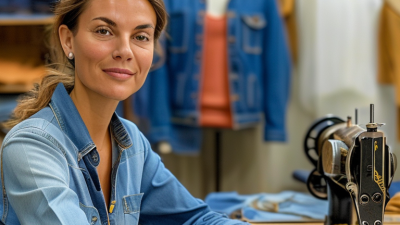
Los Angeles remains a practical sourcing base for brands seeking speed, flexibility, and closer production oversight. The region supports cut-and-sew factories, sample rooms, denim specialists, knitwear producers, and private-label partners. However, “Made in Los Angeles” does not guarantee quality by itself. Buyers still need verified production records, realistic capacity data, and documented compliance procedures.
Industry reports show why careful supplier selection matters. The Business of Fashion and McKinsey’s State of Fashion 2025 report identifies cost pressure, inventory risk, and supply-chain resilience as major priorities for fashion companies. The 2024 Fashion Industry Benchmarking Study from the United States Fashion Industry Association also highlights sourcing diversification and responsible production as continuing concerns. Meanwhile, Bureau of Labor Statistics data provides useful context on employment and wage trends within U.S. apparel manufacturing.
“There is no fashion industry without manufacturing,” says Ilse Metchek, president of the California Fashion Association. Her observation remains highly relevant. Product ideas become commercial goods through skilled operators, reliable machinery, and disciplined quality control.
This guide reviews ten leading options for global buyers searching for a Los Angeles Apparel Manufacturer. Each company should be judged differently. Some excel at small-batch development. Others require larger minimum order quantities. A few may offer impressive portfolios but limited transparency. That gap matters.
Expect practical details. Think fabric rolls, graded size sets, inspection tables, and packed cartons. We examine capabilities, minimums, lead times, customization, and buyer suitability. Information can change quickly, so readers should confirm certifications, pricing, capacity, and export documentation directly before placing orders.
Read more »
By:Elowen
- September 9, 2026
2026 Top Menswear Cut and Sew Manufacturers?
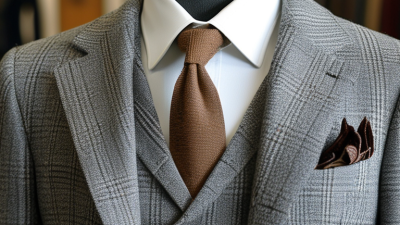
Finding the right partner for Menswear Cut and Sew Manufacturing requires more than a polished website or a long supplier list. In 2026, brands must examine construction quality, fabric control, sampling accuracy, production capacity, and responsible business practices. A reliable manufacturer should explain its process clearly, from tech-pack review to final inspection.
This guide explores leading menswear cut and sew manufacturers through practical criteria. These include factory experience, product specialization, minimum order quantities, lead times, equipment, and communication standards. It also considers whether suppliers can handle structured jackets, heavyweight knitwear, tailored trousers, casual shirts, and small-batch development. Details matter. A clean seam, stable measurement, and consistent wash can decide whether a collection succeeds.
No shortlist is perfect.
Supplier performance can change with staffing, demand, material availability, or management decisions. Therefore, the manufacturers discussed here should be treated as strong starting points, not automatic choices. Brands should request current samples, production references, compliance documents, and transparent quotations before signing an agreement. Factory visits or independent audits may reveal issues that online research misses. That is not a weakness in this article; it is a necessary reminder that sourcing involves judgment. The best partnership usually develops through clear specifications, realistic timelines, careful testing, and honest communication. This overview aims to support that process with useful comparisons, practical insight, and a more dependable path toward selecting a suitable 2026 production partner.
Read more »
By:Marissa
- September 9, 2026