
Insights & Resources

Apparel Manufacturing Blog

Industry news, production guides, and trend analysis from Los Angeles clothing experts.

0%

Buying a plaid shirt in bulk looks simple until fabric, sizing, and delivery risks appear. Plaid Long Sleeve Shirt Wholesale requires more than comparing unit prices. Buyers must examine fabric composition, pattern alignment, supplier capacity, and quality controls before placing an order.

The global apparel market remains highly competitive. Grand View Research estimates that the market reached approximately USD 1.7 trillion in 2023, with continued growth expected through 2030. McKinsey & Company and The Business of Fashion’s State of Fashion 2025 also describes a cautious market, shaped by weak consumer confidence and tighter margins. These findings make purchasing discipline essential. A low price can still become expensive.

Details matter.

A buyer should inspect the flannel’s weight, seam strength, colorfastness, and shrinkage after washing. Request a physical sample, not only polished product photos. Check whether the plaid lines match across pockets, cuffs, and front panels. Confirm size measurements in centimeters, carton dimensions, labeling, and production timelines. Small omissions can create large problems.

This guide presents seven practical tips for evaluating suppliers and reducing avoidable wholesale mistakes. It also considers responsible sourcing, transparent documentation, and consistent communication. Industry reports provide useful direction, but they cannot replace direct inspection. That assumption can fail. A supplier with attractive photographs may still deliver uneven stitching or inconsistent colors. Careful verification remains the most reliable purchasing advantage.
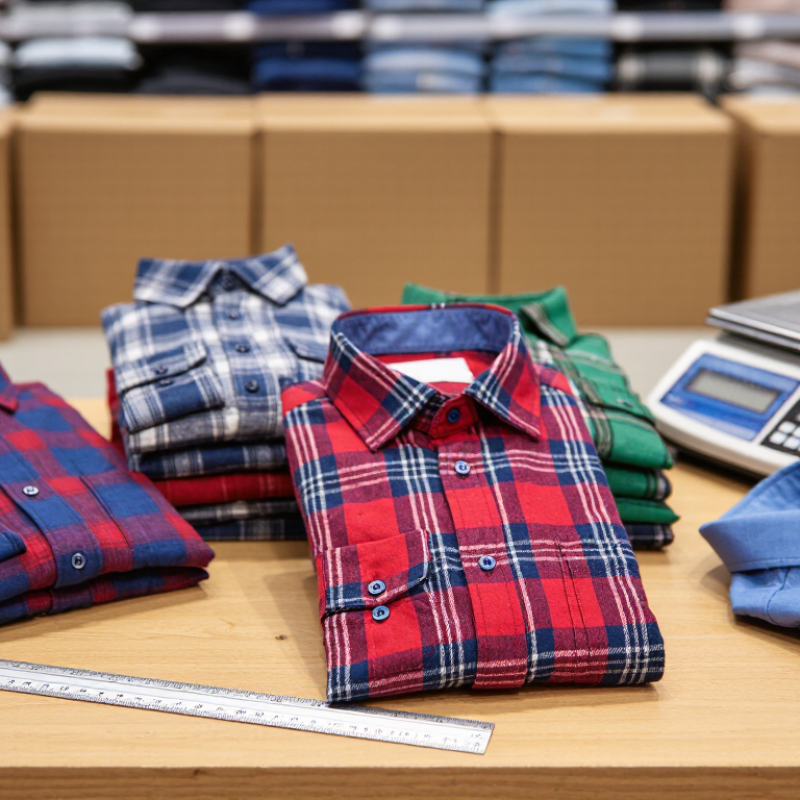
7 Tips for Buying Plaid Long Sleeve Shirt Wholesale

Identify Your Target Market and Plaid Shirt Requirements

A successful wholesale order begins with a clear picture of the customer. Identify whether your buyers serve outdoor workers, casual shoppers, students, or boutique customers. Each group wants a different plaid long sleeve shirt. Workers may prefer durable cotton blends and roomy sleeves. Students may choose softer fabric and relaxed fits. Boutique shoppers often notice color balance, buttons, and stitching.

Study local buying habits before selecting a collection. Check seasonal temperatures, common body measurements, and preferred plaid colors. Dark green, navy, and brown may suit autumn markets. Lighter red or beige can work for transitional weather. Do not rely only on personal taste. I once underestimated demand for larger sizes because the sample room favored slimmer fits. That decision needed correction.

Write the product requirements before contacting suppliers. Include fabric composition, fabric weight, size range, collar shape, cuff style, pocket design, and acceptable color variation. Request a physical sample, not only digital images. Inspect the shirt after washing it. Check shrinkage, loose threads, color bleeding, and button strength. Ask for measurement charts and production tolerances. Small differences can create customer complaints across hundreds of pieces. Your target market may also expect recyclable packaging or documented material information. Confirm these details in writing. A low price is not useful if the shirt feels rough, fits poorly, or arrives late. Be specific. Be willing to revise.

Evaluate Wholesale Suppliers, Pricing, and Minimum Order Quantities

Buying plaid long sleeve shirts wholesale requires more than comparing the lowest quote. McKinsey and The Business of Fashion’s State of Fashion 2025 projects only 2% to 6% fashion market growth. Margin pressure remains real. Ask suppliers for fabric composition, GSM, shrinkage rates, colorfastness results, and production lead times. A sample should survive washing before any bulk decision.

Tip 1: Compare at least three suppliers using the same specification. Include plaid alignment, button quality, packaging, and shipping terms.

Tip 2: Calculate landed cost, not just unit price. Freight, duties, inspection, and relabeling can change the final margin.

Tip 3: Request tiered pricing at 100, 300, and 1,000 units. A cheaper tier is useless if inventory moves slowly.

Tip 4: Treat MOQ as a cash-flow decision. Some factories quote 300 pieces, but require one color per size run. Clarify this detail in writing.

Tip 5: Check supplier history through audited records, recent buyer references, and production photos. Photos can mislead.

Tip 6: Negotiate a small pilot order with clear defect terms.

Tip 7: Leave room for imperfect forecasts. Plaid patterns are seasonal, and one color may stall while another sells quickly. A spreadsheet helps, but it cannot replace physical inspection.

Check Fabric Quality, Sizing Standards, and Product Consistency

7 Tips for Buying Plaid Long Sleeve Shirt Wholesale

Fabric quality should be tested, not guessed from photographs. Global fiber production reached 124 million tonnes in 2023, according to Textile Exchange’s 2024 Materials Market Report. That scale makes supplier consistency increasingly important. Request fabric composition, weight, shrinkage results, and colorfastness records. Check the plaid under daylight. Uneven lines often reveal poor weaving or careless cutting. Wash a sample using AATCC 135 procedures, then measure the sleeve and body again. Cotton may feel soft initially, yet shrink noticeably after washing. Small differences become expensive across hundreds of shirts.

Sizing requires written measurements, not vague labels such as “standard fit.” Use ISO 8559-1 body measurement guidance when building your size chart. Confirm chest, shoulder, sleeve, and length tolerances for every size. A two-centimeter sleeve difference can change customer comfort. Ask for a pre-production sample. Then compare it with the approved measurement sheet. Keep the tolerance visible. Do not trust one perfect sample.

Product consistency needs batch-level controls. Inspect multiple cartons, not only the first one. Compare fabric weight, button placement, plaid alignment, stitching density, and label position. The Fashion on Climate report estimated fashion’s 2018 emissions at 2.1 billion tonnes of CO2e, so durable garments matter beyond appearance. Request inspection photos and random measurement records before shipment. Records can still miss defects. That is the uncomfortable part. Build a small allowance for rework, and review every return for patterns.

7 Tips for Buying Plaid Long Sleeve Shirt Wholesale

Apparel buyers commonly use these quality-control benchmarks when checking fabric quality, sizing standards, and product consistency.

Fabric shrinkage is often specified at no more than 3% after washing, colorfastness is commonly reviewed on a 1–5 grade scale, garment measurement tolerance is frequently set around ±1 cm, and a 95% or higher first-pass rate is a practical consistency target. Exact requirements should be confirmed in the purchase specification and applicable ISO or ASTM test method.

Review Samples, Customization Options, and Production Timelines

7 Tips for Buying Plaid Long Sleeve Shirt Wholesale

Wholesale buyers should treat sample review as a practical test, not a formality. Request one shirt in the planned fabric, size range, and color combination. Check the plaid matching at the pocket, sleeve cuff, and side seam. Uneven lines often reveal rushed cutting. Measure chest width, sleeve length, and collar spread after washing the sample. A soft shirt can shrink more than expected. Ask for fabric weight, fiber content, colorfastness results, and stitching details. Keep photographs beside your measurement sheet. This creates a reliable record.

Customization should be agreed in writing before bulk production begins. Confirm fabric composition, button material, label placement, carton markings, and folding method. Small changes affect cost and timing. A different yarn-dyed check may require new fabric scheduling. Ask whether artwork needs a technical drawing or editable file. For repeated orders, save an approved sample with signed measurements. I once focused too heavily on color and missed a pocket angle. That mistake was avoidable.

Request a timeline covering fabric sourcing, sampling, approval, cutting, sewing, inspection, and shipping preparation. Do not accept one broad delivery date. Ask for milestone dates and a realistic buffer for revisions. Production may slow during busy seasons or after material changes. Confirm how delays will be reported and documented. A pre-production sample should receive final approval before bulk cutting starts. Allow time for washing tests and random quality checks. Fast production sounds attractive. It is not always dependable. Partial shipments may help, but they can increase freight costs and complicate inventory planning.

Confirm Shipping Terms, Payment Policies, and Return Protection

7 Tips for Buying Plaid Long Sleeve Shirt Wholesale

Confirm shipping terms before comparing wholesale prices. A low unit cost can hide expensive freight, customs handling, or delivery delays. Ask whether the quote uses FOB, CIF, or DDP terms. Clarify who pays export fees, insurance, duties, and final-mile delivery. Request a written shipping schedule, not just “fast delivery.” Include carton dimensions and weight. These details help estimate warehouse costs accurately.

Payment policies need equal attention. Ask about the deposit percentage, balance deadline, accepted payment methods, and transaction records. Avoid sending the full amount before production without reasonable protection. A staged payment can connect the final balance to inspection approval. In my buying experience, vague payment language created more stress than a higher price. That mistake was costly. Keep every promise in the purchase agreement.

Return protection should cover measurable problems. Define acceptable color variation, stitching defects, missing buttons, and incorrect sizing. Set a clear inspection period after delivery. Ask who pays return freight for defective shirts. Also confirm whether the supplier offers replacement goods, refunds, or credit. Photograph cartons before opening them. Keep sample measurements nearby. I once trusted a verbal return promise. It sounded reassuring, but it was difficult to enforce. Written terms are safer. Some buyers overlook restocking charges, so check that clause carefully.

7 Tips for Buying Plaid Long Sleeve Shirt Wholesale - Confirm Shipping Terms, Payment Policies, and Return Protection

Tip Key Area What to Confirm Before Ordering Useful Data or Document Recommended Protection Buyer Action
1 Define the Product Specification Confirm fabric composition, fabric weight, weave, color options, size range, collar style, cuff construction, button material, and whether the plaid pattern must match at the front placket and pocket. Approved tech pack, size chart, material declaration, and pre-production sample. Required Record every specification in the purchase order and obtain written approval before bulk production.
2 Check Minimum Order Quantity Ask whether the minimum quantity applies per style, color, size, or total order. Confirm whether mixed sizes and mixed colors are allowed. MOQ by style and color, size-ratio requirements, sample fee, and sample lead time. Recommended Compare the MOQ with your sales forecast and avoid ordering more stock than your planned selling period can support.
3 Confirm Shipping Terms Identify the agreed Incoterm, shipping method, origin and destination, estimated production time, transit time, cargo handover point, and responsibility for customs clearance, duties, and taxes. Commercial invoice, packing list, shipping quotation, transport document, and agreed Incoterm such as EXW, FOB, or DDP. Required Use the same shipping term on the quotation, purchase order, invoice, and logistics documents to prevent cost disputes.
4 Review Payment Policies Confirm the deposit percentage, balance due date, accepted payment methods, bank-charge responsibility, currency, payment milestones, and conditions for releasing the final payment. Signed quotation, pro forma invoice, payment schedule, and bank-account verification through an independent contact channel. Required Do not change bank details based only on an unexpected email. Verify payment instructions independently before transferring funds.
5 Set Quality Inspection Standards Define acceptable limits for loose threads, stains, broken buttons, incorrect measurements, shade variation, sewing defects, fabric damage, and plaid misalignment. Pre-shipment inspection checklist, approved sample, measurement tolerance chart, and inspection report. Target Arrange inspection before the balance payment whenever possible and document defects with photographs and measurements.
6 Secure Return and Replacement Protection Confirm the time limit for reporting defects, evidence requirements, return-shipping responsibility, replacement or refund process, and treatment of shortages or incorrect items. Written return policy, defect classification, claim form, credit-note procedure, and agreed resolution deadline. Required Ensure the return policy covers manufacturing defects, quantity shortages, wrong specifications, and transit damage where applicable.
7 Calculate the Landed Cost Include product cost, sampling, packaging, inland transport, international freight, cargo insurance, customs duties, import taxes, inspection fees, warehouse handling, and possible return costs. Itemized landed-cost worksheet and written freight and duty assumptions. Recommended Compare suppliers using total landed cost rather than unit price alone, and keep a contingency allowance for unexpected logistics or quality expenses.

Practical note: Shipping charges, customs duties, taxes, production lead times, payment requirements, and return conditions vary by supplier, destination, order size, and contract. Confirm the final terms in writing before placing a wholesale order.

FAQS

What should I inspect in a wholesale plaid shirt sample?

Check plaid alignment at the pocket, sleeve cuff, and side seam. Uneven lines may indicate rushed cutting. Keep photos beside your measurements.

Which measurements should I take after washing the sample?

Measure chest width, sleeve length, and collar spread after washing. Soft fabric may shrink more than expected. Washing changes everything.

What fabric information should I request before placing a bulk order?

Ask for fabric weight, fiber content, colorfastness results, and stitching details. These records help compare the sample with bulk production.

Which customization details need written approval?

Confirm fabric composition, buttons, labels, carton markings, and folding methods. Small changes can affect cost and production timing.

How can I prevent mistakes during repeated orders?

Save an approved sample with signed measurements. Keep the technical drawing or editable artwork file. I once missed a pocket angle.

What production timeline should a supplier provide?

Request milestone dates for sourcing, sampling, approval, cutting, sewing, inspection, and shipping preparation. Include a realistic revision buffer. One delivery date is insufficient.

What shipping details should I confirm before comparing prices?

Clarify shipping terms, export fees, insurance, duties, and final-mile delivery. Request carton dimensions, weight, and a written shipping schedule.

How can payment and return terms protect my order?

Confirm the deposit, balance deadline, payment method, and transaction records. Link final payment to inspection approval when possible. Written terms are safer.

What defects and return conditions should the agreement define?

Define acceptable color variation, stitching defects, missing buttons, and sizing errors. Set an inspection period and return-freight responsibility. Check restocking charges.

What quality records should I keep after delivery?

Photograph cartons before opening them. Keep sample measurements, inspection results, and purchase promises together. Verbal reassurance may not be enforceable.

Conclusion

Buying Plaid Long Sleeve Shirt Wholesale requires careful planning to ensure the products match your customers’ needs and your business goals. Start by identifying your target market, preferred styles, color patterns, fabric preferences, and expected price range. When comparing suppliers, review their wholesale pricing, minimum order quantities, communication quality, and ability to fulfill repeat orders. It is also important to check fabric composition, stitching, sizing standards, color accuracy, and overall product consistency before making a large purchase.

Request samples to evaluate comfort, fit, workmanship, and packaging. Ask whether the supplier offers customization, such as private labels, unique patterns, or adjusted sizing, and confirm production timelines in writing. Before placing an order, clarify shipping methods, delivery estimates, payment terms, inspection procedures, and return or replacement policies for defective items. A reliable Plaid Long Sleeve Shirt Wholesale partner should provide transparent information, stable quality, and practical support throughout the ordering process.

Clara

Clara

Clara is a highly experienced marketing professional dedicated to helping businesses understand how thoughtful products, reliable service, and customer-focused solutions can create lasting value. With a strong understanding of the company’s offerings, she translates complex product features into......