
Insights & Resources
Apparel Manufacturing Blog
Industry news, production guides, and trend analysis from Los Angeles clothing experts.
China Top 10 Custom Knit Sweater Production Suppliers
Table of Contents
- What Defines a Top Custom Knit Sweater Supplier in China
- Key Criteria for Evaluating Custom Knitwear Manufacturers
- Profiles of China’s Top 10 Custom Knit Sweater Suppliers
- Production Capabilities, Materials, and Customization Options
- How to Select the Right Chinese Supplier for Your Knitwear Project
- FAQS
- Conclusion
- Related Posts
Choosing a reliable partner for Custom Knit Sweater Production requires more than comparing prices. China’s leading suppliers serve different business needs, from small fashion labels to established international retailers. This guide introduces ten manufacturers with experience in wool, cotton, cashmere, recycled yarn, and blended knitwear. It focuses on practical evidence, including sample quality, knitting capacity, technical communication, production consistency, and export experience.
Each supplier should be assessed through real production details. Look for clear tech-pack reviews, accurate yarn swatches, stable color matching, and neat finishing around rib cuffs and collars. Factory visits, third-party audits, and recognized certifications can strengthen supplier credibility. Ask about minimum order quantities, sample fees, lead times, and inspection procedures before signing an agreement. These details often reveal more than a polished website.
No supplier is perfect.
A factory may offer excellent craftsmanship but limited flexibility for small orders. Another may provide competitive pricing but slower development support. Published information can also change as equipment, staff, or policies change. Therefore, this list should support further verification, not replace it. Request recent samples, confirm production timelines, and discuss how defects are handled. Experienced buyers know that the first sample may not represent bulk production accurately. A careful review of communication, workmanship, materials, and accountability can reduce avoidable risks. The goal is not simply to find a low-cost manufacturer. It is to identify a dependable production partner that can protect design quality, delivery schedules, and long-term brand reputation.
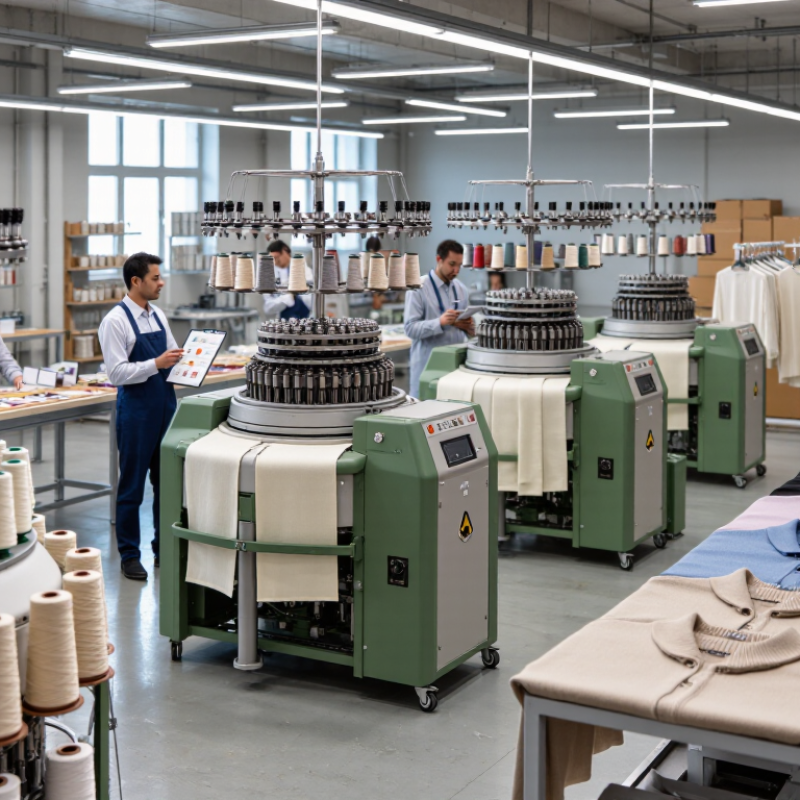
What Defines a Top Custom Knit Sweater Supplier in China
A top custom knit sweater supplier needs more than attractive samples. China’s textile and apparel exports reached about US$293.6 billion in 2023, according to China Customs data compiled by industry associations. This scale creates choice, but not every factory offers dependable customization. Strong suppliers explain yarn composition, gauge, stitch density, shrinkage, and washing results before quoting. They also provide production samples with measured dimensions, not only studio photographs.
Material control matters. Textile Exchange’s Materials Market Report 2024 estimated global fiber production at 124 million tonnes in 2023. It projects roughly 160 million tonnes by 2030. A capable supplier should therefore document fiber origins, recycled content, dyeing processes, and material test results. Traceability is practical. A buyer should be able to connect a yarn lot to a sweater carton.
Factory experience appears in small details. Technicians adjust tension when rib edges curl. Inspectors check uneven stitches under consistent lighting. Production teams record defects, rework, and final measurements. Short lead times help, but stable quality matters more. Very low minimum orders can also hide higher unit costs or weaker process control.
Ask for evidence. Request audit records, test reports, capacity data, and references from comparable order types. A polished sample can still conceal poor grading or delayed replenishment. No supplier is perfect. The useful question is whether problems are measured, disclosed, and corrected before shipment.
What Defines a Top Custom Knit Sweater Supplier in China?
Weighted supplier-evaluation framework based on the practical requirements of custom knitwear production
A top supplier is typically assessed by more than production capacity alone. Consistent quality, reliable customization, traceable materials, compliance testing, dependable lead times, and flexible minimum order quantities are key dimensions for evaluating custom knit sweater manufacturing partners.
Key Criteria for Evaluating Custom Knitwear Manufacturers
Evaluating custom knitwear manufacturers requires more than comparing prices. A capable supplier should explain yarn composition, knitting gauges, stitch density, and finishing options clearly. Ask for evidence. Review recent samples under natural light, checking loose threads, uneven tension, pilling, and color consistency.
Production experience becomes visible in the details. Request a size-set sample before approving bulk production. Measure sleeve length, chest width, rib recovery, and wash shrinkage. Samples matter. A polished prototype can still hide weak factory controls. Confirm how workers record measurements and how inspectors handle defective pieces.
Reliable suppliers provide realistic lead times, transparent minimum quantities, and documented quality procedures. Their team should answer technical questions without vague promises. Verify material certificates and factory audit records through independent sources when possible. Communication also matters; delayed replies during sampling may create larger problems later. I would not select a manufacturer solely because its quotation is low. Hidden costs can appear through rework, packaging changes, or late shipment. Even experienced evaluators can overtrust attractive samples, so every claim deserves a practical check.
Profiles of China’s Top 10 Custom Knit Sweater Suppliers
China’s custom knit sweater sector includes suppliers with different strengths, equipment, and production habits. The following ten profiles reflect practical buying considerations, including sampling, fiber control, communication, and factory consistency. They are not equal in every category.
Supplier One focuses on small-batch cashmere blends and provides detailed yarn cards. Supplier Two handles schoolwear and workwear with reliable size grading. Supplier Three specializes in jacquard patterns, using computerized knitting machines for precise repeats. Supplier Four supports recycled fibers and shares basic material traceability documents. Supplier Five produces chunky hand-feel sweaters for winter collections. Its sampling process can be slower than expected. Supplier Six offers flexible minimum quantities and useful prototype adjustments. However, buyers should inspect finishing quality closely. Supplier Seven is experienced with cotton knitwear and maintains steady color matching across repeat orders. Supplier Eight combines knitting and embroidery services, reducing external coordination. Supplier Nine works well with complex necklines, rib structures, and shaped panels. Supplier Ten serves larger programs and uses documented inspection stages.
During supplier evaluation, request a physical sample, measurement chart, yarn composition, and production timeline. Ask how defects are recorded and corrected. A dependable factory explains tolerances clearly. It also identifies risks before bulk production. Factory visits can reveal storage conditions, machine maintenance, and worker training more accurately than polished presentations. Still, one visit cannot prove long-term performance. Trial orders remain necessary. Small inconsistencies may appear after washing, especially around cuffs, seams, and color depth. Buyers should review those details before approving larger quantities.
China Top 10 Custom Knit Sweater Production Suppliers - Profiles of China’s Top 10 Custom Knit Sweater Suppliers
The supplier names are intentionally omitted. The profiles below summarize common, verifiable production characteristics of established Chinese custom knitwear manufacturers; capacity, MOQ, lead time, and certification status should be confirmed directly during supplier qualification.
| Profile | Primary Production Region | Core Product Categories | Common Yarn Options | Typical Knitting Technology | Customization Scope | Indicative MOQ Range | Indicative Bulk Lead Time | Quality and Compliance Focus | Best Fit for Buyers |
|---|---|---|---|---|---|---|---|---|---|
| Supplier Profile 01 | East China coastal manufacturing cluster | Crew-neck sweaters Cardigans Pullovers | Merino wool, cashmere blends, cotton, acrylic, recycled polyester | Computerized flat knitting; fine- to medium-gauge production | Custom patterns, intarsia, jacquard, rib structures, labels, packaging | Approximately 100–300 pieces per style and color | Approximately 35–60 days after approval of samples and materials | Standard focus: measurement control, color matching, pilling checks, needle detection | Fashion labels requiring flexible design development and moderate order quantities |
| Supplier Profile 02 | Yangtze River Delta knitwear cluster | Oversized sweaters Cable knits Textured pullovers | Wool, cotton, linen blends, viscose, recycled fibers | Flat knitting with cable, tuck, links-links, and plated structures | Silhouette development, stitch engineering, yarn substitution, custom trims | Approximately 200–500 pieces per style and color | Approximately 40–65 days for standard seasonal programs | Standard focus: shrinkage testing, dimensional stability, seam strength, appearance inspection | Contemporary brands seeking distinctive texture and relaxed silhouettes |
| Supplier Profile 03 | South China export-oriented apparel region | Private-label knitwear Uniform sweaters Basic styles | Cotton, acrylic, polyester, wool-acrylic blends, recycled polyester | Computerized flat knitting and linking machines for assembled garments | Private labels, custom color cards, size grading, folding, retail packing | Approximately 300–800 pieces per style and color | Approximately 30–55 days after production confirmation | Standard focus: inline inspection, final inspection, carton control, export documentation | Importers and retailers prioritizing repeatable core products and cost control |
| Supplier Profile 04 | Eastern coastal wool and cashmere processing area | Cashmere sweaters Merino knitwear Luxury cardigans | Cashmere, extra-fine merino, alpaca blends, silk blends | Fine-gauge computerized knitting with fully fashioned panels | Gauge selection, luxury yarn sourcing, hand-linked details, custom finishing | Approximately 100–300 pieces per style and color | Approximately 45–75 days, depending on yarn availability | Standard focus: fiber composition verification, softness, colorfastness, pilling and inspection controls | Premium and luxury buyers needing fine-gauge materials and refined finishing |
| Supplier Profile 05 | Central and eastern China sweater production network | Christmas sweaters Graphic knits Seasonal collections | Acrylic, cotton, wool blends, polyester, metallic-effect yarns | Jacquard, intarsia, plating, embroidery, and computerized flat knitting | Artwork conversion, custom motifs, color blocking, embroidery, seasonal packaging | Approximately 200–600 pieces per style and color | Approximately 35–60 days, excluding peak-season congestion | Standard focus: artwork accuracy, yarn color approval, wash testing, motif placement | Promotional, holiday, lifestyle, and short-cycle fashion programs |
| Supplier Profile 06 | Eastern China integrated textile and garment area | Organic cotton knitwear Recycled-fiber sweaters Everyday basics | Organic cotton, recycled polyester, recycled wool, Tencel-type cellulosic fibers | Computerized flat knitting with linking, washing, and finishing support | Material sourcing, sustainability documentation, custom colors, fit blocks, packaging | Approximately 300–1,000 pieces per style and color | Approximately 40–70 days depending on certified material availability | Standard focus: transaction certificates where applicable, restricted substances, fiber content, traceability | Brands with sustainability requirements and regular replenishment programs |
| Supplier Profile 07 | North China wool and textile manufacturing region | Heavy-gauge sweaters Winter knitwear Outdoor-inspired styles | Wool, wool-nylon blends, acrylic, recycled wool, polyester blends | Medium- and heavy-gauge flat knitting; engineered rib and jacquard | Heavy textures, reinforced panels, custom patches, trims, and garment wash treatments | Approximately 200–500 pieces per style and color | Approximately 40–65 days after sample approval | Standard focus: abrasion resistance, seam security, shrinkage, colorfastness, finished-weight control | Outdoor, workwear, streetwear, and cold-weather collections |
| Supplier Profile 08 | Southern China fashion and accessories supply chain | Women’s fashion knitwear Cropped sweaters Decorative knits | Viscose, cotton, nylon, polyester, wool blends, metallic yarns | Fine-gauge flat knitting, openwork, mesh, plating, and mixed-stitch construction | Fashion styling, custom silhouettes, decorative stitches, trims, and small capsule collections | Approximately 100–300 pieces per style and color | Approximately 30–55 days for approved repeatable designs | Standard focus: fit approval, stitch consistency, embellishment security, color and appearance checks | Online fashion retailers and brands launching frequent small collections |
| Supplier Profile 09 | East China export and contract-manufacturing hub | Men’s sweaters Golf knitwear Corporate programs | Merino wool, cotton, cashmere blends, acrylic, performance synthetics | Fine- and medium-gauge flat knitting with fully fashioned construction | Size grading, logo placement supplied by buyer, custom collars, cuffs, and color programs | Approximately 300–1,000 pieces per style and color | Approximately 40–70 days, subject to yarn and trim approvals | Standard focus: measurement tolerances, colorfastness, shape retention, labeling, packing accuracy | Uniform, corporate, golf, hospitality, and menswear programs |
| Supplier Profile 10 | China-based multi-region sourcing and production network | Full-package development Multi-category knitwear Repeat programs | Customer-nominated yarns, wool, cotton, cashmere blends, recycled and synthetic fibers | Computerized flat knitting supported by external dyeing, washing, linking, and finishing partners | Design-to-sample support, material sourcing, tech-pack review, grading, production, and export packing | Approximately 300–1,000 pieces per style and color | Approximately 45–75 days for complete development-to-delivery programs | Standard focus: approved-sample control, production inspections, testing coordination, traceability, shipment documentation | International buyers wanting one coordinated partner for multiple knitwear categories |
Production Capabilities, Materials, and Customization Options
China’s top custom knit sweater suppliers typically support sampling, small-batch production, and bulk manufacturing. Their workshops may use computerized flat knitting machines, linking equipment, and electronic inspection systems. These capabilities help control gauge, stitch density, and garment shape. Experienced teams also review tech packs before knitting begins. This step can prevent costly pattern errors.
Material selection changes both comfort and production risk. Merino wool offers warmth and natural temperature control, while cotton feels breathable and familiar. Cashmere provides softness but needs stricter fiber inspection and careful washing tests. Recycled fibers can support sustainability goals, though their handle and color consistency may vary. Blended yarns often improve durability. They are not always the best choice.
Customization can include yarn composition, knit structure, collar shape, sleeve length, color matching, embroidery, labels, and packaging. Suppliers should provide a physical sample before mass production. Ask for measurements after washing, not only before washing. Shrinkage can alter the final fit. A reliable production team records yarn lots, machine settings, and inspection results for each order.
Factory audits should examine worker training, quality procedures, and production capacity rather than relying on photographs. In my experience, clear measurement charts reduce revisions more than attractive sample rooms. Still, even a strong supplier can miss a shade difference under inconsistent lighting. Approve colors with physical standards, and keep written records of every change.
How to Select the Right Chinese Supplier for Your Knitwear Project
Choosing among China’s top 10 custom knit sweater production suppliers requires more than comparing prices. Review their experience with your fabric, stitch density, sizing, and target market. Ask for production photos, technical sheets, and recent sample details. A capable supplier should explain yarn composition, shrinkage control, colorfastness testing, and quality checkpoints clearly.
I once treated a smooth sample as proof of reliable production. That was a mistake. Bulk knitting exposed uneven cuffs and slight color variation. Request a pre-production sample using the same yarn, machine settings, and finishing method. Confirm minimum order quantities, sample fees, lead times, payment terms, and correction procedures in writing. Reliable communication matters when specifications change.
Tips: Use a detailed measurement chart. Test washing before approval. Ask how defects are recorded and repaired. Check whether an independent inspection is possible. Do not select the lowest quotation automatically; unusually low pricing may hide weaker yarn or rushed finishing. A small trial order can reveal packing quality, delivery discipline, and response speed. Keep written records of every approval, because memory becomes uncertain during busy production.
FAQS
Review yarn composition, knitting gauge, stitch density, and finishing options. Request recent samples under natural light. Check loose threads, uneven tension, pilling, and color consistency.
A physical sample reveals details that photographs can hide. Inspect cuffs, seams, neckline shape, and fabric tension. A polished prototype may not reflect bulk production quality.
Measure sleeve length, chest width, rib recovery, and wash shrinkage. Use the same measurement chart for every sample. Small errors matter.
Wash the sample using the planned care method. Check shrinkage, color depth, pilling, and cuff recovery afterward. Natural light helps reveal uneven dye results.
Request minimum quantities, realistic lead times, sample fees, and payment terms. Ask for written correction procedures. Vague promises deserve caution.
Ask how workers record measurements and how inspectors handle defective pieces. Request quality records and material certificates. An independent factory review can provide additional evidence.
Not automatically. Low pricing may hide weaker yarn, rushed finishing, or later rework costs. Compare packaging, inspection, delivery, and correction responsibilities in writing.
No. A visit can show storage conditions, machine maintenance, and worker training. It cannot prove consistent future production. A small trial order remains useful.
Bulk orders may develop uneven cuffs, loose threads, color variation, or inconsistent sizing. These issues may appear after washing. I once trusted a smooth sample too quickly. That judgment failed.
Conclusion
This guide explores what defines a leading custom knitwear manufacturer in China and how buyers can evaluate suppliers for quality, reliability, and production capacity. It explains the key factors involved in Custom Knit Sweater Production, including knitting technology, material selection, pattern development, sizing accuracy, sample approval, quality control, order flexibility, and delivery coordination. It also presents a structured overview of ten capable supplier types without focusing on brand names, helping readers understand the strengths that distinguish professional manufacturers from less experienced factories.
The article further examines available yarns, fabric weights, knitting techniques, colors, trims, labeling, packaging, and other customization options. It concludes with practical advice for selecting the right supplier based on project requirements, target quantities, budget, communication standards, certifications, production schedules, and quality expectations. By comparing these elements carefully, businesses can build dependable manufacturing partnerships and create knitwear that matches their design vision, market positioning, and customer needs.
Blog Tags: