
Insights & Resources
Apparel Manufacturing Blog
Industry news, production guides, and trend analysis from Los Angeles clothing experts.
China Top Leather Shorts Apparel OEM Suppliers?
Table of Contents
- What Defines a Reliable Leather Shorts OEM Supplier in China?
- How to Compare China’s Leather Shorts Manufacturing Capabilities
- Key Materials, Designs, and Customization Options for Leather Shorts
- OEM Production Steps from Product Brief to Final Quality Inspection
- How to Evaluate Pricing, Compliance, and Export Service Standards
- FAQS
- Conclusion
- Related Posts
Finding reliable China Top Leather Shorts Apparel OEM Suppliers requires more than comparing catalog photos. Buyers should examine manufacturing experience, leather sourcing, stitching quality, and production control. A polished website proves little. Factory evidence matters more.
A capable Leather Shorts Apparel OEM partner should explain leather grades, lining options, hardware choices, and size grading clearly. Request physical samples before approving bulk production. Check waistbands, pocket reinforcement, seam strength, and zipper performance by hand. Small details often reveal larger quality habits. Ask for material documentation, factory certifications, and responsible sourcing policies where available. Confirm whether testing supports product safety and destination-market requirements.
Price is important, but it should not lead the decision alone. Compare minimum order quantities, sampling fees, lead times, packaging, and communication speed. A supplier that reports delays honestly may be safer than one promising everything. Still, transparency must be verified through records, inspections, and consistent sample results. I have seen attractive samples hide uneven stitching or stiff leather after repeated handling. That possibility deserves attention. Buyers should also discuss repair procedures, replacement terms, and quality tolerances before signing an order. The strongest suppliers combine technical skill with responsive service and realistic planning. This guide introduces practical ways to assess leading Chinese manufacturers without relying on unsupported rankings. It also recognizes an uncomfortable truth: no supplier is perfect, and every partnership needs ongoing review.
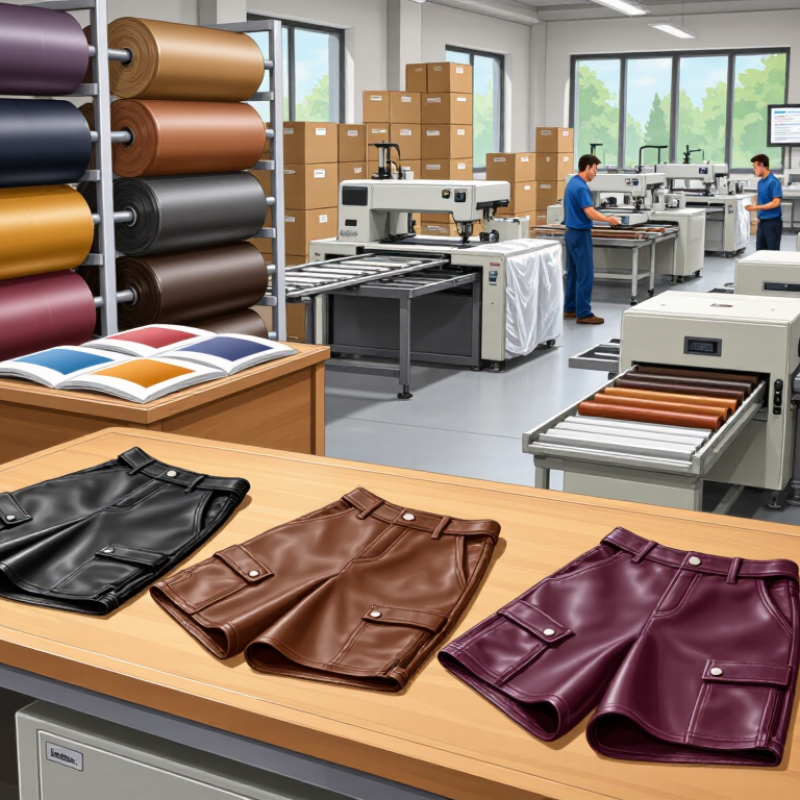
What Defines a Reliable Leather Shorts OEM Supplier in China?
What defines a reliable leather shorts OEM supplier in China? It is not a low quotation or a flawless showroom sample. Grand View Research’s 2024 Leather Goods Market report estimated the global market at approximately USD 468 billion in 2023. That scale increases pressure on consistency, not only production capacity. A dependable factory should provide hide grading records, cutting-yield data, and batch-level color approvals. Ask to compare waistband, pocket, and seam measurements across three production batches. Small differences matter.
FAO’s 2023 World Food and Agriculture Statistical Yearbook shows livestock products represent about 40% of global agricultural output value. Therefore, raw-material transparency deserves direct questions. A capable OEM should explain hide origins, tanning processes, chemical testing, and wastewater controls. The OECD Due Diligence Guidance for responsible garment and footwear supply chains also supports documented risk checks. During an inspection, examine the cutting floor, storage humidity, needle control, and final measurement tables. Request recent test reports, not only certificates on a wall. A polished sample can still hide weak production discipline. I would not treat one successful order as proof. Audits can miss rushed repairs, inconsistent leather thickness, or unrecorded substitutions. Reliable cooperation needs open records, repeat inspections, and someone accountable when measurements drift.
How to Compare China’s Leather Shorts Manufacturing Capabilities
Comparing Chinese leather shorts suppliers requires more than checking catalog photos. Request factory details, production photographs, and recent sample records. Examine whether the workshop handles cutting, skiving, stitching, pressing, and final inspection internally. Samples reveal more. Check the leather grain, thickness, softness, and color consistency under natural light. Ask for proof of material origin and testing documentation where appropriate.
Construction quality separates capable manufacturers from basic cut-and-sew workshops. Inspect waistband stability, pocket reinforcement, zipper alignment, seam allowance, and lining attachment. Pull the garment gently around stress points. Loose threads or uneven topstitching may indicate weak process control. Measure several pieces from one batch, because size variation can appear after washing or finishing. A supplier should explain its grading method and acceptable tolerance clearly.
Production capacity also needs practical verification. Compare monthly output, minimum order quantities, sample lead times, and peak-season planning. A large workshop is not always the best fit for detailed leather garments. Ask how it controls moisture, surface scratches, odor, and color transfer during storage. Factory audits, material invoices, and inspection reports improve reliability, but documents alone are insufficient. Visit when possible. Take notes. I would also test a small pilot order before making a large commitment. This step may feel slow, yet it exposes problems that a perfect showroom sample can hide.
Key Materials, Designs, and Customization Options for Leather Shorts
Leather shorts demand careful material selection, because the garment bends, stretches, and touches sensitive skin. Full-grain cowhide offers structure and abrasion resistance, while lambskin feels softer and drapes more easily. Split leather can reduce cost, but its surface needs consistent finishing. That trade-off is often underestimated.
Grand View Research valued the global leather goods market at about USD 468.5 billion in 2022. Its report also forecasts continued growth through 2030. This wider market signal supports investment in specialized apparel production, not just accessories. Suppliers should provide tanning details, thickness measurements, colorfastness results, and material traceability. ISO-based testing can check seam strength, tear resistance, and color transfer. Ask for test samples.
Design decisions shape both comfort and production risk. Popular options include high-waist cuts, adjustable side tabs, five-pocket layouts, contrast stitching, and detachable belts. A 0.8–1.1 millimeter leather thickness can balance flexibility with structure, but the ideal range depends on the pattern. Cotton or recycled polyester linings can reduce skin friction. Metal hardware needs smooth edges and reliable corrosion resistance. Customization may include embossed logos, lining colors, pocket shapes, washing effects, and graded size patterns. However, heavy finishing can create uneven shades. That problem deserves honest inspection. A supplier’s prototype may look excellent, yet repeated production can vary. Clear approval samples, tolerance sheets, and third-party testing make the final order more reliable.
Leather Shorts OEM Material Guide: Typical Leather Thickness
Material thickness affects drape, durability, comfort, and sewing requirements. The ranges below are common apparel-production reference values; final specifications depend on the tannery, finish, pattern, and target garment weight.
Lambskin is typically selected for a soft, lightweight fit, while cowhide provides a firmer structure. Goatskin offers a balance of lightness and durability, and PU-coated synthetic leather is often used when consistent thickness and easier care are priorities.
OEM Production Steps from Product Brief to Final Quality Inspection
China Top Leather Shorts Apparel OEM Suppliers?
A reliable OEM project begins with a precise product brief. The document should define leather type, thickness, finish, measurements, lining, hardware, and packaging. Clear reference photos reduce interpretation errors. Experienced suppliers also ask about target markets and care-label requirements. Small details matter.
The development team converts the brief into technical patterns and a costed sample plan. Pattern makers check movement around the hips and thighs. Sample machinists then test seam allowance, pocket placement, waistband recovery, and zipper performance. A first sample is rarely perfect. That is normal. We record each deviation instead of hiding it. The buyer reviews measurements, hand feel, color, and construction before approval.
Bulk production starts only after the pre-production sample is signed off. Incoming leather is checked for thickness, scars, shade variation, and usable area. Cutting teams arrange panels carefully to control waste and visual imbalance. During sewing, inspectors monitor skipped stitches, uneven topstitching, loose threads, and hardware scratches. Final quality inspection compares finished pieces with the approved specification. Measurements are taken from selected units across the shipment. Color rub, seam strength, zipper function, and workmanship receive practical checks. Photos and inspection records improve traceability. Still, no inspection system is flawless. A missed shade difference can happen, especially under weak factory lighting. Better suppliers review such failures and adjust their process before the next order.
China Top Leather Shorts Apparel OEM Suppliers? - OEM Production Steps from Product Brief to Final Quality Inspection
| Step | OEM Production Stage | Main Activities and Output | Key Data, Standards, or Acceptance Criteria | Typical Lead Time | Documents and Inspection Evidence |
|---|---|---|---|---|---|
| 1 | Product Brief Review | Review the design sketch, size range, target quantity, leather type, color, hardware, packaging, and delivery requirements. | The brief should define the garment category, intended use, measurement points, tolerance requirements, and approved reference images. | 1–3 working days | Technical brief, measurement chart, bill of materials, artwork files, and clarification list. |
| 2 | Material and Hardware Sourcing | Select leather or leather alternative, lining, sewing thread, zippers, snaps, buttons, labels, and pocketing materials. | Material specifications should cover leather thickness, finish, color reference, lining composition, hardware coating, and restricted-substance requirements. | 5–15 working days | Material swatches, supplier declarations, test reports where applicable, and approved trim card. |
| 3 | Leather Inspection and Testing | Inspect hides or panels for surface defects, color consistency, usable area, thickness, and finish uniformity before cutting. | Common checks include thickness consistency, color fastness to rubbing, finish adhesion, flex resistance, and visible defect classification. Exact limits must be agreed in the specification. | 1–5 working days | Incoming material inspection report, defect map, thickness readings, color standard, and lot identification. |
| 4 | Pattern Engineering | Convert the design into production patterns, including front and back panels, waistband, pockets, belt loops, facings, and seam allowances. | Pattern pieces must match the approved measurement chart, grain direction, leather stretch behavior, seam construction, and nesting requirements. | 3–7 working days | Pattern set, graded size specification, marker plan, and construction notes. |
| 5 | Prototype Development | Produce the first sample to verify silhouette, fit, construction, pocket position, waistband shape, hardware placement, and overall appearance. | The sample should be checked against approved measurements, design details, seam appearance, edge finishing, component function, and wearer comfort. | 7–15 working days | Prototype sample, sample measurement report, fitting comments, photos, and revision log. |
| 6 | Fit Approval and Size Grading | Adjust the approved base size and grade the pattern across the requested size range. | Critical points may include waist, hip, front rise, back rise, inseam, leg opening, waistband width, and pocket placement. Tolerances must be stated in the size specification. | 3–8 working days | Fit approval sample, graded measurement chart, pattern revision record, and signed approval comments. |
| 7 | Pre-Production Sample | Make a sample using the final materials, approved colors, production trims, labels, packaging method, and intended sewing process. | The sample must represent bulk production conditions and confirm appearance, workmanship, labeling, folding, packing, and component compatibility. | 5–10 working days | Pre-production sample, approved trim card, packaging specification, care-label artwork, and final construction sheet. |
| 8 | Production Planning | Reserve materials and capacity, prepare cutting markers, balance sewing operations, and establish the production schedule. | The plan should identify critical operations such as leather panel matching, skiving, edge painting, waistband joining, zipper installation, and hardware setting. | 2–5 working days | Production schedule, capacity plan, approved sample, work order, and quality control plan. |
| 9 | Cutting and Panel Preparation | Cut leather and lining panels, match visible panels by color and grain, mark notches, and prepare skived or reinforced edges. | Panel quantities, component identity, grain direction, color grouping, cutting accuracy, and visible-surface defect limits should be checked before sewing. | 2–6 working days | Cutting report, bundle tickets, panel inspection record, marker utilization data, and defect segregation log. |
| 10 | Sewing and Assembly | Assemble pockets, front and back panels, zipper or fly, waistband, belt loops, lining, labels, and other specified components. | Inspect stitch density, seam allowance, skipped stitches, puckering, thread tension, seam strength, alignment, hardware attachment, and surface protection. | 7–20 working days | In-line inspection reports, operation checklist, defect records, repair log, and hourly production records. |
| 11 | Finishing and Garment Cleaning | Trim loose threads, clean adhesive or marking residue, smooth the garment, inspect edges, attach tags, and prepare final folding. | Finished garments should be free from visible stains, excessive wrinkles, loose threads, sharp hardware edges, odor, and packaging-related damage. | 1–3 working days | Finishing checklist, rework report, final measurement sampling, packaging checklist, and carton-packing record. |
| 12 | Final Quality Inspection | Inspect finished goods before shipment for appearance, measurements, workmanship, function, labeling, quantity, and packing accuracy. | AQL-based sampling may be used when specified. The inspection plan should define critical, major, and minor defects, sample size, acceptance limits, and measurement tolerances. | 1–2 working days | Final inspection report, defect photographs, carton count, packing list, certificate or test documents, and shipment release record. |
How to Evaluate Pricing, Compliance, and Export Service Standards
When evaluating China-based leather shorts OEM suppliers, pricing should be separated into clear cost items. Ask for leather grade, thickness, finish, hardware, lining, labor, packaging, and tooling fees. A low quotation may hide high material waste or weak construction. Request a sample with visible seam details, zipper movement, edge paint, and color consistency.
Compliance requires more than a signed declaration. Confirm fiber and material labels, restricted-substance testing, chemical controls, and destination-market requirements. Leather origin and processing records should be available when requested. For some markets, additional product safety or environmental documentation may apply. Independent laboratory reports are useful, but check their test scope and issue date. Documents can be incomplete.
Export service standards often reveal a supplier’s real capability. Review its handling of commercial invoices, packing lists, HS classification, shipping marks, customs data, and agreed Incoterms. Confirm production milestones, inspection points, insurance responsibility, and procedures for damaged cartons. A reliable supplier should provide measurable dates, not vague promises. Small omissions matter. I would also compare pre-shipment inspection results against the approved sample. This step costs time, yet it can expose uneven sizing or surface defects before loading. Payment terms, reorder support, and communication response times deserve written records. A polished factory visit is helpful, but it should not replace evidence from actual export files and completed orders.
FAQS
Reliability means consistent production, not merely a low quotation or attractive showroom sample. The supplier should provide hide grading records, cutting-yield data, and batch color approvals. Small differences matter.
Define leather type, thickness, finish, measurements, lining, hardware, and packaging. Reference photos can reduce interpretation errors. Care-label requirements should match the target market.
Pattern makers check movement around the hips and thighs. Sample machinists test pocket placement, seam allowance, waistband recovery, and zipper performance. The first sample is rarely perfect. That is normal.
Check thickness, scars, shade variation, and usable surface area. Different panels can show visible color changes. Poor storage may also affect leather condition.
Cutting teams arrange leather panels carefully before cutting. They should consider grain direction, scars, shade differences, and visual balance. Cutting-yield records reveal whether material is being used efficiently.
Inspect skipped stitches, uneven topstitching, loose threads, and scratched hardware. Compare waistband, pocket, and seam measurements across several production batches. Small measurement drift can affect comfort and appearance.
Inspect selected pieces across the shipment, not only one garment. Check measurements, color rub, seam strength, zipper function, and workmanship. Photos and inspection records support traceability. No system catches everything.
No. One successful order may hide rushed repairs, uneven leather thickness, or substitutions. Repeat inspections and open production records provide stronger evidence. A missed shade difference can happen under weak factory lighting. The supplier should explain the failure and improve the next batch.
Conclusion
Choosing a reliable Leather Shorts Apparel OEM supplier in China requires more than comparing quoted prices. Buyers should assess the supplier’s experience with genuine leather and synthetic alternatives, production capacity, workmanship, design flexibility, and ability to deliver consistent quality. Important evaluation points include material sourcing, leather thickness, lining, hardware, stitching, color options, size grading, custom labels, packaging, and sample development. A capable supplier should communicate clearly, understand technical specifications, and provide practical solutions for different market requirements.
The OEM process typically begins with a product brief, design review, material confirmation, pattern development, sampling, approval, bulk production, and final quality inspection. Buyers should also review pricing transparency, minimum order quantities, production timelines, quality-control procedures, environmental practices, and export documentation. Reliable suppliers maintain clear inspection standards, protect product specifications, and support smooth international shipping. By evaluating manufacturing capabilities, customization options, compliance awareness, and service responsiveness together, businesses can select a dependable partner for long-term leather shorts production.

Blog Tags: