

1. Technical Fabric Engineering: The Science of Bamboo Textiles
Understanding fiber extraction, cellular cross-sections, and mechanical integrity in enterprise apparel manufacturing.
In the modern global fashion ecosystem, procuring from China top wholesale bamboo fiber apparel manufacturers & suppliers requires a granular understanding of textile chemistry and fiber processing methodologies. Bamboo fiber apparel has evolved beyond standard rayon synthesis into sophisticated, high-tenacity cellulosic fabrics engineered for thermal regulation, dermatological compatibility, and structural longevity.
Regenerated Viscose Rayon vs. Closed-Loop Bamboo Lyocell
Commercial bamboo apparel manufacturing predominantly utilizes two distinct cellulose extraction pathways:
- Chemical Hydrolysis (Bamboo Viscose): Dissolves bamboo pulp using sodium hydroxide and carbon disulfide. While producing exceptionally soft drape, top-tier Chinese facilities now implement gas recovery systems capturing >95% of sulfur emissions.
- N-Methylmorpholine N-oxide (NMMO) Solvent Spinning (Bamboo Lyocell): Represents the gold standard for circular manufacturing. Non-toxic organic solvents digest bamboo pulp in a closed loop, recycling 99.7% of water and chemical agents, creating fibers with higher dry/wet tenacity.
Micro-Structure & Bio-Kun Property Efficacy
Scanning Electron Microscopy (SEM) reveals that bamboo fibers possess a unique cross-section filled with micro-gaps and micro-holes. This hollow structural composition yields three critical functional properties:
- Capillary Action & Moisture Wicking: Rapidly draws perspiration away from the epidermis, evaporating liquid 4 times faster than standard combed cotton.
- Endogenous "Bamboo Kun": A bio-antimicrobial agent natural to raw bamboo. Verified through ISO 20743 testing, it inhibits bacterial colonization (*Staphylococcus aureus*) by disrupting bacterial cell wall synthesis.
Textile Performance Benchmark Comparison
Laboratory evaluation of pure bamboo fiber against industry alternative substrates under ISO/ASTM standard conditions.
| Performance Parameter | Bamboo Lyocell / Viscose | Organic Combed Cotton | Recycled PET Polyester | Silk (Mulberry) |
|---|---|---|---|---|
| Moisture Regain (%) | 11.5% - 13.0% | 8.5% | 0.4% | 11.0% |
| Antibacterial Efficacy (AATCC 100) | >99% Retention (50 washes) | 0% (Requires chemical coating) | 0% (Inherent bacterial harbor) | Moderate naturally |
| UV Protection Factor (UPF) | UPF 50+ (Blocks 98% UV) | UPF 15 - 25 | UPF 30+ | UPF 15 - 20 |
| Tensile Strength (cN/tex) | 2.3 - 2.8 (Dry) / 1.5 - 1.8 (Wet) | 2.5 - 3.2 (Dry) / 3.0 - 3.5 (Wet) | 4.5 - 5.5 (Dry/Wet) | 3.5 - 4.2 (Dry) |
| Eco-Footprint (Water/kg fiber) | Low (~1,200 Liters) | High (~10,000 Liters) | Low (~0 Liters water, High energy) | Moderate |
2. Vertically Integrated OEM Manufacturing Architecture
Linking West Coast Design Precision with Scalable Asian Industrial Operations
Procuring top-tier bamboo fiber garments requires an operational backbone that bridges rapid product development, exact fitting standards, and multi-node international shipping compliance. Leveraging the vertical operational model pioneered by Urban Nation Apparel—headquartered in Los Angeles with global manufacturing operations spanning China, Vietnam, Bangladesh, and Mexico—brand directors obtain unprecedented control over supply chain risk and manufacturing execution.
Multi-Node Node Sourcing
By deploying spinning and knitting operations across primary China hubs while retaining assembly options in Vietnam and Mexico, buyers mitigate tariff volatility, optimize duty rates, and maintain agility across custom private label lines.
AQL 2.5 Strict QC Protocol
Every production batch undergoes raw fiber testing, 4-Point System fabric inspection prior to cutting, inline sew audits, and final Acceptable Quality Limit (AQL 2.5/4.0) inspections to eliminate fabric skewing and seam slipping.
Global Eco-Certifications
Fully certified supply chain paths ensuring compliance with OEKO-TEX Standard 100 Class I (safe for infants), Forest Stewardship Council (FSC) chain-of-custody, and Global Organic Textile Standard (GOTS) integration.
3. Future Procurement & Product Development Trends
Anticipating material science innovations and shifts in consumer eco-apparel demand
Trend 1: Advanced Hybrid Fiber Blends
While 100% bamboo fiber dominates infant wear and premium sleepwear due to its unmatched hand-feel, future growth lies in micro-blends engineered for targeted end-uses:
- Bamboo-Organic Cotton (60/40): Increases dimensional stability and tensile strength, preventing garment distortion in heavy commercial laundry cycles. Ideal for streetwear heavy-weight T-shirts (200gsm - 280gsm).
- Bamboo-Merino Wool (70/30): The ultimate activewear thermal blend combining bamboo's moisture capillary action with Merino's natural heat retention and elasticity.
- Bamboo-Recycled Elastane: Providing 4-way hyper-stretch for athleisure and seamless underwear without sacrificing breathability.
Trend 2: Digital Product Passports & Supply Chain Traceability
Regulatory pressures from the European Union (EU ESG Mandates) and North America require complete transparency from raw bamboo shoot harvesting to garment finishing.
- Isotope Fingerprinting: Leading Chinese manufacturers are adopting molecular isotopic testing to verify that raw bamboo pulp originates strictly from sustainably managed FSC forests rather than natural habitats.
- Zero-AZO & Waterless Enzyme Dyeing: Transitioning from traditional reactive dyeing to low-liquor ratio waterless supercritical CO2 dyeing methods, reducing water consumption by 80% and eliminating toxic effluent.
4. Enterprise OEM/ODM Production Workflow
From CAD design tech-pack execution to bulk shipping container dispatch
Tech-Pack & Yarn Selection
Specification of yarn count (e.g., 30s/1, 40s/1 combed bamboo), GSM weight, fiber blend ratio, and custom pantone reactive dyeing.
Prototyping & Lab Dips
Executing lab-dip color matching, sample pattern cutting, and shrinkage testing under 40°C wash conditions to freeze tech specs.
Precision Bulk Knitting & Cut
Circular knitting machinery sets tension to avoid stretch degradation. Computerized laser cutting guarantees zero edge fraying.
AQL Audit & Logistics
Final needle-detection, steam pressing, eco-packaging, and FOB/DDP shipping routing via major maritime ports (Ningbo/Shanghai/Shenzhen).
5. Frequently Asked Questions (FAQ) for B2B Procurement
Addressing critical technical, minimum order, and custom production queries for commercial buyers
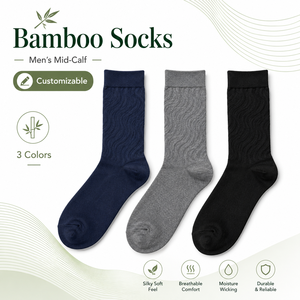
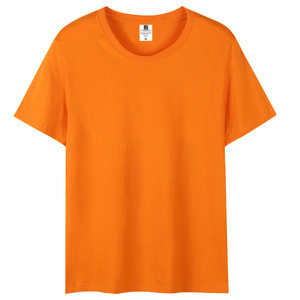
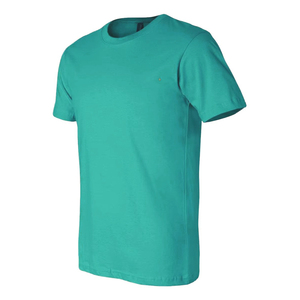
Standard OEM production MOQs typically range from 500 to 1,000 pieces per colorway/style for custom dyed fabric. However, for stock color fabric programs (such as blank t-shirts, basic socks, or standard underwear), MOQs can be reduced to 100-300 pieces per order.
Pure bamboo knits naturally exhibit higher shrinkage rates (up to 8-10%) if unmanaged. Professional manufacturers utilize pre-shrunk compaction processing (Sanforization) and high-temperature stentering during dyeing. This stabilizes the fabric structure, ensuring final garment post-wash shrinkage remains below industry standards (<3-4%).
Yes. Bamboo-cotton blends (e.g., 70% bamboo / 30% cotton) offer an extraordinarily smooth, low-pilling surface ideal for Direct-to-Garment (DTG) and high-density screen printing. For 100% bamboo, discharge printing or water-based inks are recommended to maintain the fabric’s ultra-soft micro-drape without creating heavy ink stiffness.
Sample development and lab-dip approval require 7 to 10 working days. Bulk production typically spans 25 to 35 days upon sample sign-off and deposit receipt. Maritime freight times vary by destination port (e.g., 14-18 days to US West Coast ports like Los Angeles/Long Beach).
Enterprise buyers should mandate three core credentials:
1. OEKO-TEX Standard 100: Ensures zero harmful chemical residue (heavy metals, formaldehyde, phthalates).
2. FSC Certification: Verifies sustainable raw forest management.
3. AATCC 100 / ISO 20743: Quantifies actual antibacterial efficacy after repeated laundering cycles.
Scale Your Eco-Apparel Line with China’s Leading Bamboo Fiber Manufacturers
Consult with our senior textile engineers today to request fabric swatches, lab dips, tech-pack consultations, and factory direct price quotes.