
Custom Streetwear & Heavyweight Outerwear Catalog
Explore our export-grade OEM production run items. Engineered with high-density cotton, specialty vintage washes, drop-shoulder silhouettes, and custom 3D puff/embossed artwork.
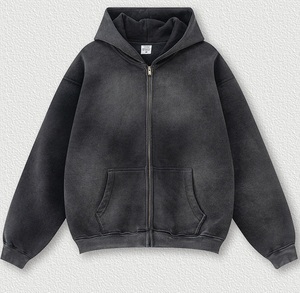
Winter Streetwear Print No String Blank Custom Zip-Up Vintage Double Layer Sun Faded Distressed Hoodie for Men
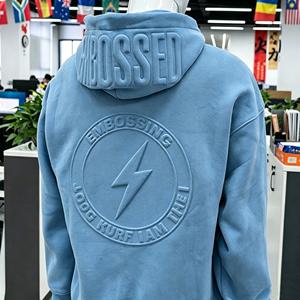
Wholesale Unisex Heavyweight Fleece Oversized 3D Embossed Hoodie with Custom Logo Streetwear Essential Pullover Hoodie for Men
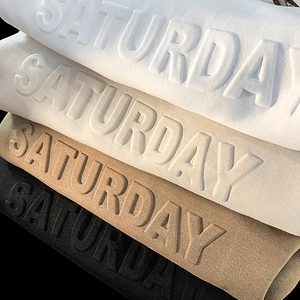
Oversized 100% Cotton French Terry 3D Printed Streetwear Hoodie Unisex Heavyweight Pullover Embossed Hoodies
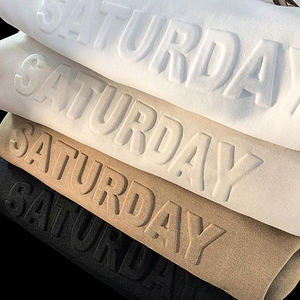
500 Gsm 100% Cotton Heavyweight Oversized Cotton Polyester Custom Streetwear 3D Graphic Hoodies for Men Embossed Hoodies
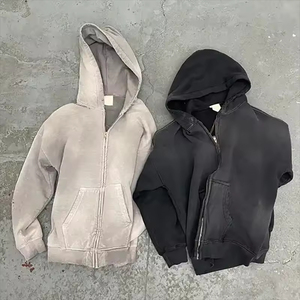
Custom Streetwear Heavyweight French Terry Blank Oversized Mens Vintage Acid Wash Sun Faded Distressed Full Zip up Hoodie

Custom Baggy Oversize Blank Unisex Drop Shoulder Heavyweight Crop Cut Big Hoodie 500Gsm Cotton Solid Color Cropped Baggy Hoodies
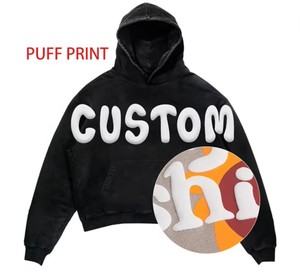
OEM Custom High Quality 3D Puff Printing Heavyweight Pullover Oversize Men's Hoodies Thick Fabric Fleece
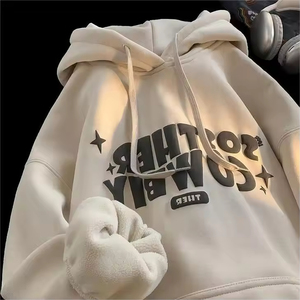
Custom Puff Printing Hoodie Oversized Men's Pullover Hoodies Sweatshirts Foam Printing 100% Cotton Heavyweight Hoodies
Why Global Brands Partner with China OEM Apparel Hubs
Combining Western fashion-forward design sensibilities with China's unmatched industrial fabric supply chains, wet-processing technology, and cut-and-sew precision.
Vertically Integrated Supply Chain
From raw yarn procurement and high-gauge knitting to custom fabric dyeing and precision cutting. By operating integrated production hubs across China alongside strategic global facilities in Vietnam, Bangladesh, and Mexico, we streamline lead times and eliminate third-party markup costs.
Advanced Specialty Washes & Treatments
Mastering complex garment wash chemistry: vintage acid wash, potassium permanganate distress spraying, sun-faded solar bleaching, double-layer enzyme distressing, and stone washing. Achieve authentic retro aesthetics with stable colorfastness and zero fabric degradation.
3D High-Density Print Innovation
Elevate streetwear graphics through technical high-build 3D puff print, raised silicone embossing, high-density screen printing, and micro-foam textures. Engineered to withstand rigorous industrial laundering without cracking, peeling, or flattening.
Technical Whitepaper: Engineering High-End Heavyweight Streetwear Outerwear
The global luxury streetwear and outerwear market has undergone a fundamental structural pivot over recent sourcing cycles. Modern consumers no longer accept lightweight, fast-fashion knits; market demand has shifted overwhelmingly toward heavy-GSM fabrics, boxy drop-shoulder silhouettes, structural drape, and complex vintage washing techniques. For brand directors, sourcing managers, and apparel buyers, navigating the OEM landscape in China requires deep technical comprehension of fabric weight science, chemical wash stability, and manufacturing quality control metrics.
1. Fabric Metallurgy & GSM Optimization: French Terry vs. Fleece
Achieving the ideal structure for high-end streetwear hoodies requires meticulous control over yarn count and fabric density (Grams per Square Meter). Standard promotional hoodies operate between 280 GSM and 320 GSM using open-end cotton blends. In contrast, premium OEM manufacturing leverages 400 GSM, 450 GSM, and 500 GSM combed ring-spun cotton.
- 100% Combed Cotton French Terry (400-500 GSM): Features a smooth jersey face and an unbrushed loopback interior. French Terry offers structural rigidity, making it the preferred choice for boxy, cropped, or drop-shoulder streetwear hoodies that hold their shape.
- Heavyweight Brushed Fleece (450+ GSM): Utilizes an inner napping process that creates a dense thermal layer. Fleece yields a plush, high-volume drape ideal for oversized winter streetwear drop-shoulder silhouettes.
- Double-Layer Hood Construction: High-end OEM specifications require double-ply fabric construction inside the hood to prevent collapsing, ensuring the hood sits upright on the neck without drawstrings.
Technical Insight: High-GSM fabrics (450 GSM+) exhibit natural shrinkages of up to 8-10% during initial garment washing if un-pre-shrunk. Top China OEM manufacturers utilize industrial preshrinking processes (Sanforization) and steam setting before cutting, guaranteeing dimensional stability within ±1.5% across all size runs.
2. Chemical Wash Engineering: Achieving Vintage, Sun-Faded & Distressed Aesthetics
Modern outerwear sourcing relies heavily on specialized wet-processing capabilities. The iconic "vintage sun-faded" look cannot be achieved through simple dyeing; it demands multi-stage chemical and mechanical processing:
- Acid Washing / Snow Washing: Pumice stones soaked in potassium permanganate or chlorine solutions are tumbled with dry garments. This selectively strips dye from raised seams, pockets, and ribbed cuffs, creating high-contrast vintage textures.
- Solar Bleaching & Sun-Fading: Controlled reactive spray washes combined with UV exposure produce localized, smooth color degradation that mimics natural sun aging without compromising cotton tensile strength.
- Mechanical Edge Distressing: Hand-grinding along hood edges, pocket openings, and sleeve cuffs, followed by bio-enzyme washing to soften frayed threads.
3. 3D Puff Printing & Embossing Technical Specifications
Decorating 500 GSM heavyweight fabrics requires specialized curing infrastructure. Traditional plastisol prints crack when subjected to thick knit stretching. Premium China OEM factories deploy custom-formulated high-expansion foam inks (Puff Printing) and high-pressure hydraulic metal embossing molds:
During puff printing, foaming agents within the ink expand under flash curing temperatures (150°C - 165°C). Precise temperature control prevents over-expansion, which causes air pockets and weak adhesion. For embossed hoodies, high-frequency heat setting fuses synthetic backing films directly to the reverse side of French Terry cotton, locking 3D relief patterns into place permanently through lifetime washing cycles.
2026–2030 Global Outerwear Sourcing & Procurement Trends
As international supply chains evolve, fashion enterprise procurement teams must align with emerging manufacturing shifts to maintain market dominance, protect margins, and fulfill global ESG (Environmental, Social, and Governance) mandates.
1. Hybrid Nearshoring + Offshoring Networks
Global brands are increasingly adopting a multi-hub manufacturing matrix. Core design iteration, rapid sampling, and immediate domestic market replenishment are managed in regional studios (such as Los Angeles), while high-volume technical cut-and-sew, heavy fabric knitting, and complex wash treatments are executed in specialized Chinese industrial clusters (Guangdong, Zhejiang, Jiangsu).
2. Zero-Liquid-Discharge (ZLD) Eco-Washing
Environmental regulations regarding textile dyeing and distress washing have tightened globally. Leading China OEM factories have integrated closed-loop ozone washing systems and waterless laser distressing machines. Ozone bleaching replaces hazardous chemical reduction agents, reducing water consumption by 85% and chemical discharge by 90%.
3. Digital Tech Pack Integration & 3D Prototyping
Physical sample iteration cycles are dropping from weeks to days. By integrating 3D CAD pattern software (CLO3D / Browzwear) with factory floor automated CNC fabric cutters, OEM manufacturers eliminate sampling waste and compress bulk production lead times by up to 35%.
4. Full Traceability & Organic Cotton Certifications
Supply chain transparency is no longer optional. Enterprise buyers require full chain-of-custody documentation—including GOTS (Global Organic Textile Standard), Oeko-Tex Standard 100, and GRS (Global Recycled Standard) certification—from raw cotton ginning to final polybag packaging.
Frequently Asked Sourcing & OEM Manufacturing FAQs
Direct answers to critical technical questions asked by apparel buyers, sourcing directors, and brand founders.