
1. Technical Architecture of OEM Compression Wear & Modern Textile Manufacturing
In the modern technical apparel sector, sourcing high-performance compression wear and heavy-duty lifestyle knits requires a deep understanding of polymer engineering, elastomeric yarn dynamics, and precise structural knitting techniques. As a top-trusted OEM compression wear sourcing supplier and exporter, our corporate infrastructure integrates Los Angeles design intelligence with multi-national production ecosystems across USA, China, Vietnam, Bangladesh, and Mexico.
Compression wear operates on the principle of graduated hemodynamic acceleration. By applying structured, engineered pressure gradient vectors (typically ranging from 15-20 mmHg for active wear up to 20-30 mmHg for post-performance recovery garments), the apparel facilitates venous blood return, suppresses micro-vascular muscle oscillation, and accelerates lactic acid clearance. Achieving these exact biomechanical thresholds requires exact control over linear density (Denier), elastane extension-recovery hysteresis, and seamless circular knitting tension patterns.
Technical Information Gain Insight:
Standard athletic knit fabric uses single-jersey structures with uncontrolled spandex tension. Our OEM compression manufacturing employs engineered 70D/40D core-spun Polyamide-Elastane matrices knitted on 36-gauge Santoni circular machinery, guaranteeing stable graduated pressure profiles even after 200+ commercial wash cycles.
Material Fiber Matrices: Polyamide 6.6 vs. High-Filament Polyester
When engineering OEM active compression sleeves, base layers, and recovery tights, the selection of synthetic micro-filaments dictates moisture transport dynamics (capillary action) and tensile durability. We utilize high-tenacity Polyamide 6.6 (Nylon 6.6) for premium targeted compression lines, providing superior tactile softness, high abrasion resistance (Martindale test > 50,000 rubs), and optimal mechanical elasticity retention.
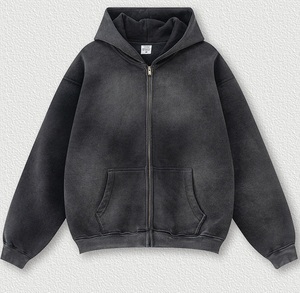
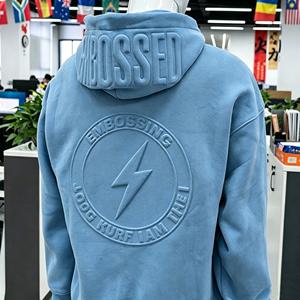
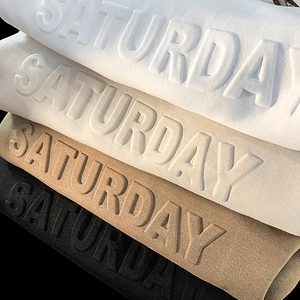
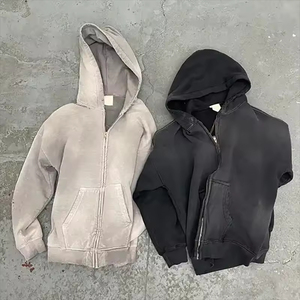
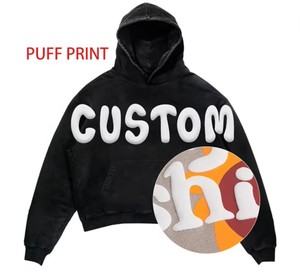
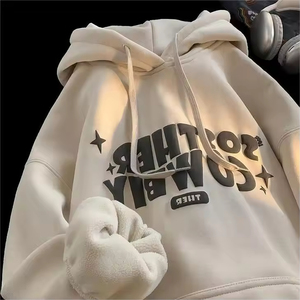
For custom graphic-intensive athletic and streetwear ranges—such as 3D embossed pullovers and foam-printed streetwear—we utilize ultra-dense 100% French Terry Cotton, heavy fleece blends up to 500 GSM, and moisture-wicking core spun polyester yarns engineered to hold intricate structural treatments including acid wash, sun-faded solar bleaching, and vintage distressing.
| Garment Category | Fabric Weight / GSM | Material Composition | Technical Features & Finish | Target Compression / Utility |
|---|---|---|---|---|
| Performance Compression Layer | 220 - 280 GSM | 78% Nylon 6.6 / 22% Spandex | Flatlock 6-Needle Seam, Moisture Capillary Wicking | 18-22 mmHg (Active Performance) |
| Post-Workout Recovery Gear | 300 - 340 GSM | 72% Polyamide / 28% Elastane | Zoned Muscular Support, Seamless Circular Knit | 25-30 mmHg (Hemodynamic Recovery) |
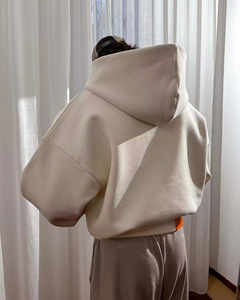
| Streetwear Essential Hoodie | 450 - 500 GSM | 100% Heavyweight French Terry Cotton | 3D Puff Print, Vintage Acid Wash, Sun Faded | Thermal Isolation & Structural Oversized Silhouette |
| Distressed Heavy Fleeces | 400 - 500 GSM | 80% Premium Cotton / 20% Polyester | Custom Hand Distressing, Double Layered Hood, Drop Shoulder | High Durability Urban Outerwear |
2. High-Density Customization: 3D Puff Printing, Vintage Washing & Distressing Technologies
As retail apparel brands navigate intense market competition, product differentiation depends on tactile and visual novelty. Beyond technical athletic compression, our manufacturing facility leads global sourcing trends in specialized fabric finishing and high-density embellishment processes.
3D Puff & Foam Screen Printing
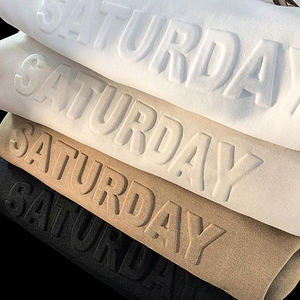
Utilizing proprietary blowing agents blended into plastisol or water-based inks, our 3D puff process expands uniformly under controlled micro-wave curing, creating sharp 2.5mm elevated tactile branding with high crack-resistance and wash fastness (Grade 4.5 ISO 105-C06).
Acid Wash & Sun-Faded Processing
Our specialized garment wash lab executes controlled potassium permanganate cold-spray and solar UV-fading treatments. This creates authentic retro acid wash effects, high-contrast vintage seam fading, and super-soft hand-feel without degrading underlying cellulosic cotton fibers.
Laser & Manual Garment Distressing
Precision laser burning combined with skilled hand-grinding allows controlled edge destruction, pocket-lip fraying, and targeted micro-abrasions across 500 GSM heavyweight hoodies and denim tops, providing consistent batch-to-batch distressed aesthetic replication.
3. Future Procurement & Sourcing Trends (2026–2030)
Global apparel buyers, brand directors, and supply chain executives face unprecedented shifts driven by regulatory compliance, eco-sustainability mandates, and lead-time compression. To maintain a competitive edge, procurement strategies must evolve from pure cost-per-unit negotiation to holistic value-chain engineering.
1. Nearshoring & Multi-Hub Redundancy
Geopolitical tariffs and maritime transit bottlenecks have made single-country sourcing risky. Our dual-engine manufacturing framework combines low-cost high-volume assembly in Asia (Vietnam, China, Bangladesh) with rapid-response nearshore manufacturing hubs in Mexico and the USA. This hybrid operational strategy enables brand partners to test market trends with short lead-time initial drops and scale replenishment rapidly.
2. Eco-Engineered Elastane & Closed-Loop Bleaching
Traditional elastane and chemical washing face increasing European Union PEF (Product Environmental Footprint) scrutiny. Strategic buyers are shifting toward recycled pre-consumer nylon matrices, bio-derived spandex from industrial cornstarch, and ozone waterless bleaching systems. Our facilities feature full wastewater filtration and water recycling systems, drastically cutting liquid discharge while adhering to OEKO-TEX Standard 100 compliance.
3. Smart Compression & Biometric Integration
The next decade of compression wear lies in smart textile integration. We are investing in conductive elastomeric yarns capable of embedding ultra-thin surface EMG (electromyography) sensors directly into seamless compression garments, laying the groundwork for real-time muscular fatigue monitoring in elite performance athletics.
4. Corporate Superiority & Global Sourcing Ecosystem
Headquartered in Los Angeles, California, with state-of-the-art production assets worldwide, our business model bridges creative brand vision and industrial execution. We function not merely as a cut-and-sew factory, but as an end-to-end technical production partner for global fashion labels, fitness brands, and corporate wholesalers.
End-to-End Vertical OEM
From custom yarn extrusion and fabric knitting to garment washing, 3D printing, and individual poly-bagging, we control every node of production.
AQL 1.5/2.5 Quality Assurance
Rigorous inline and final inspections ensure four-point fabric scoring, precise compression mmHg verification, and wash colorfastness validation.
Rapid Sampling & Turnaround
Digital 3D pattern software (Clo3D/Optitex) cuts initial prototype development from weeks to 5 business days, reducing time-to-market.
Global Compliance Standards
All global facilities hold WRAP, BSCI, and ISO 9001 certifications, enforcing ethical labor practices and environmental stewardship.