
Premium Specialty Washed Garment Line
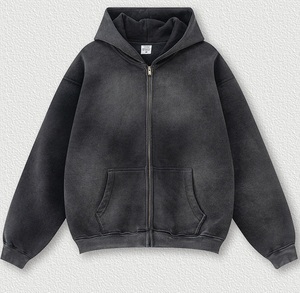
Explore our engineered collection of heavy fleece, 500 GSM French Terry, and vintage-distressed streetwear blanks processed in state-of-the-art Peruvian wash facilities. Each garment integrates high-density long-staple cotton with localized wet processing for exceptional hand-feel, structural longevity, and precise shade fastness.
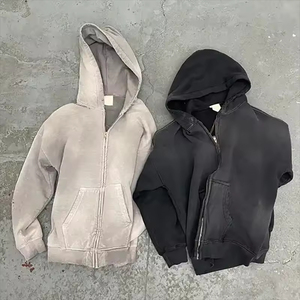
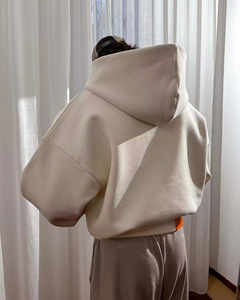
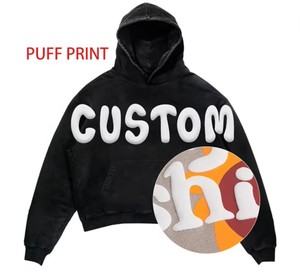
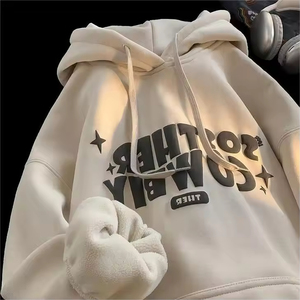
Vertically Integrated Apparel Manufacturing & Peruvian Wet Processing
Urban Nation Apparel operates as a premier design, development, and vertical manufacturing enterprise headquartered in Los Angeles, California, with direct supply-chain integration across Peru, Vietnam, China, Bangladesh, and Mexico. By bridging West Coast creative design direction with Peru’s world-renowned textile processing ecosystem, we offer North American and European fashion brands an unmatched nearshore manufacturing solution for high-end washed garments.
Specialty garment wash processing is no longer merely an aesthetic afterthought—it is a precise chemical and mechanical engineering discipline. In luxury fashion and premium streetwear, achieving authentic "sun-faded vintage" patinas, heavy-grade acid washes, mineral deposits, and enzyme-softened hand-feels requires meticulous control over liquor ratios, enzymatic temperatures, tensile degradation thresholds, and dye bath stripping agents. Peru has emerged as the premier global epicenter for specialty wash processing due to its unique combination of ultra-high-grade native cotton raw materials, sophisticated wet-processing infrastructure, strict environmental water treatment standards, and preferential trade access to Western markets.
The Chemistry & Physics of Specialty Garment Wash Processing in Peru
To understand why specialty garment washing in Peru yields superior tactile and aesthetic outcomes compared to standard commercial laundering, one must examine the molecular interaction between Peruvian cotton cellulose and specialty washing agents. Standard upland cotton fibers (typically 26-28mm in length) suffer significant bursting strength loss when subjected to aggressive oxidative treatments like acid washing, potassium permanganate (KMnO4) spraying, or stone abrasion. In contrast, Peruvian Pima and Tanguis cotton possess an elongated crystalline cellulose matrix that preserves structural integrity even after multi-stage washing cycles.
Key Industrial Wash Methodologies Executed in Peru
- Acid Wash & Spray Oxidation: Garments are tumbled with pumice stones pre-soaked in oxidizing agents (such as sodium hypochlorite or potassium permanganate substitutes). The stones randomly deposit the oxidizer on elevated garment seams and folds, stripping color back to reveal a high-contrast vintage pattern. Peruvian wash technicians utilize closed-loop, automated stone-dosing drums to guarantee batch-to-batch shade consistency across 5,000+ unit production runs.
- Mineral Wash & Pigment Dyeing: Garments are first garment-dyed with low-affinity pigment dyes, followed by a controlled acid-neutralizing wash cycle. Pigment particles adhere only to the outer surface of the yarn, allowing mechanical wash cycles to slough off color at stress points (cuffs, hems, neckbands) while leaving deep indigo or charcoal undertones in core fibers.
- Sun-Faded & Ozone Bleaching: Utilizing advanced gaseous ozone (O3) washing chambers, Peruvian facilities oxidize sulfur and reactive dyes without water consumption or thermal energy. Ozone breaking down color molecules simulates decades of UV sun exposure in a 20-minute cycle, resulting in modern "sun-faded" pastels with zero chemical residue.
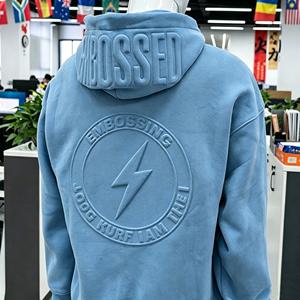
- Cellulase Bio-Polishing & Enzyme Washes: Micro-surface fuzz and pilling are selectively degraded using acid-cellulase enzymes operating at pH 4.5–5.5. This process creates an ultra-smooth, silky hand-feel, ideal for 500 GSM heavyweight French Terry drop-shoulder hoodies and custom 3D embossed street garments.
- Resin Distressing & Laser Aging: To execute authentic vintage destruction without manual hand-cutting, garments receive localized thermo-resins followed by 3D laser engraving. Lasers abrade the cotton surface at precise micrometer depths, creating localized fraying, whiskering, and pocket tears.
Peruvian Specialty Wash Benchmark & Technical Performance Matrix
The table below provides a comparative analysis of primary garment washing methodologies performed in Peruvian certified wash facilities versus standard global commercial washing norms.
| Wash Methodology | Primary Chemical / Tech | Bursting Strength Loss (%) | Color Fastness Rating (ISO 105) | Water Consumption (L/kg) | Ideal Fabric Weight / Substrate |
|---|---|---|---|---|---|
| Acid Stone Wash | Pumice Stone + KMnO4 Free Oxidizer | < 8.5% (Pima Cotton) | Grade 4-5 | 12 L/kg (Low Ratio) | 400–500 GSM French Terry / Fleece |
| Gaseous Ozone Fade | O3 Dry Oxidation Chamber | < 1.2% (Negligible) | Grade 4 | 2 L/kg (Ultra Low) | 300–450 GSM Heavy Knit & Denim |
| Pigment Mineral Wash | Surface Pigment + Resin Stripper | < 5.0% | Grade 3-4 (Intended Fade) | 18 L/kg | 240–350 GSM Jersey & Fleece Blanks |
| Bio-Enzyme Softening | Acid Cellulase + Softener Polymer | < 3.0% | Grade 5 | 10 L/kg | 100% Pima Cotton Luxury Basics |
| Nebulization Eco-Wash | Nano-Mist Chemical Dispersion | < 2.5% | Grade 4-5 | 3 L/kg | Streetwear Hoodies & Zip-Up Outerwear |
Localized Application Scenarios & Supply Chain Trends in Peru
The apparel manufacturing landscape in Peru—centered primarily around Lima’s industrial districts (Ate Vitarte, Victoria, San Juan de Lurigancho) and Chincha—has transformed into a strategic innovation hub for North American apparel buyers. Key developments include:
1. High-Density Streetwear Heavyweight Craze (450GSM - 600GSM)
Global streetwear brands have shifted from light fleece to rigid, dense heavyweights. Standard wash houses often struggle to achieve deep dye penetration or soft hand-feels on 500 GSM 100% cotton French Terry. Peruvian processors utilize high-torque continuous wash tumblers and specialized low-temperature softeners that penetrate thick knit loops without causing shrinkage distortion or seam twisting.
2. Integration of 3D Embossing & Post-Wash Thermal Printing
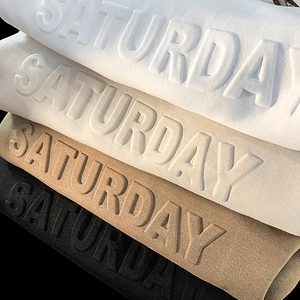
A critical challenge in specialty wash manufacturing is ensuring that decorative elements—such as 3D puff prints, high-density silicone logos, or tactile embossing—do not degrade during heavy wash cycles. Peruvian manufacturers have perfected pre-washed blank curing combined with post-treatment silicone fixation, ensuring 3D graphic elements remain intact through heavy vintage acid and enzyme treatments.
3. Environmental Compliance & Zero Liquid Discharge (ZLD)
International compliance demands strict adherence to wastewater management. Leading Peruvian wash processing suppliers operate advanced Zero Liquid Discharge (ZLD) effluent plants, purifying and recycling up to 90% of wash water. By eliminating toxic heavy metals and adopting GOTS (Global Organic Textile Standard) and OEKO-TEX Standard 100 certified auxiliaries, Peru provides global brands with fully audit-compliant supply chains.
B2B Sourcing IntelligenceFrequently Asked Questions for Sourcing Garment Wash Processing in Peru
Engineer Your Wash Line with Urban Nation Apparel
Whether developing a 500 GSM heavy fleece vintage collection or scaling custom 3D embossed streetwear, our Los Angeles design team and Peruvian manufacturing network provide end-to-end expertise. Connect with our engineering specialists today for lab dips, shade blankets, and production quotes.